Best Areas to Buy in Denver for the Highest ROI in 2026
Ryan Haarer September 15, 2026
Ryan Haarer September 15, 2026
Denver's rapid appreciation era is over. The 30% home value gains seen across the metro during the low-rate years have given way to a flat-to-slightly-declining market in many neighborhoods. But not everywhere. Certain areas across the Denver metro continue to appreciate, and others are positioned for meaningful growth in the years ahead. Identifying which areas those are, and buying with a clear hold strategy, is what separates a smart purchase from a stagnant one.
Southwest Denver hasn't historically been among the metro's most sought-after areas for homebuyers. But a development on the horizon could fundamentally change the trajectory of this part of the city.
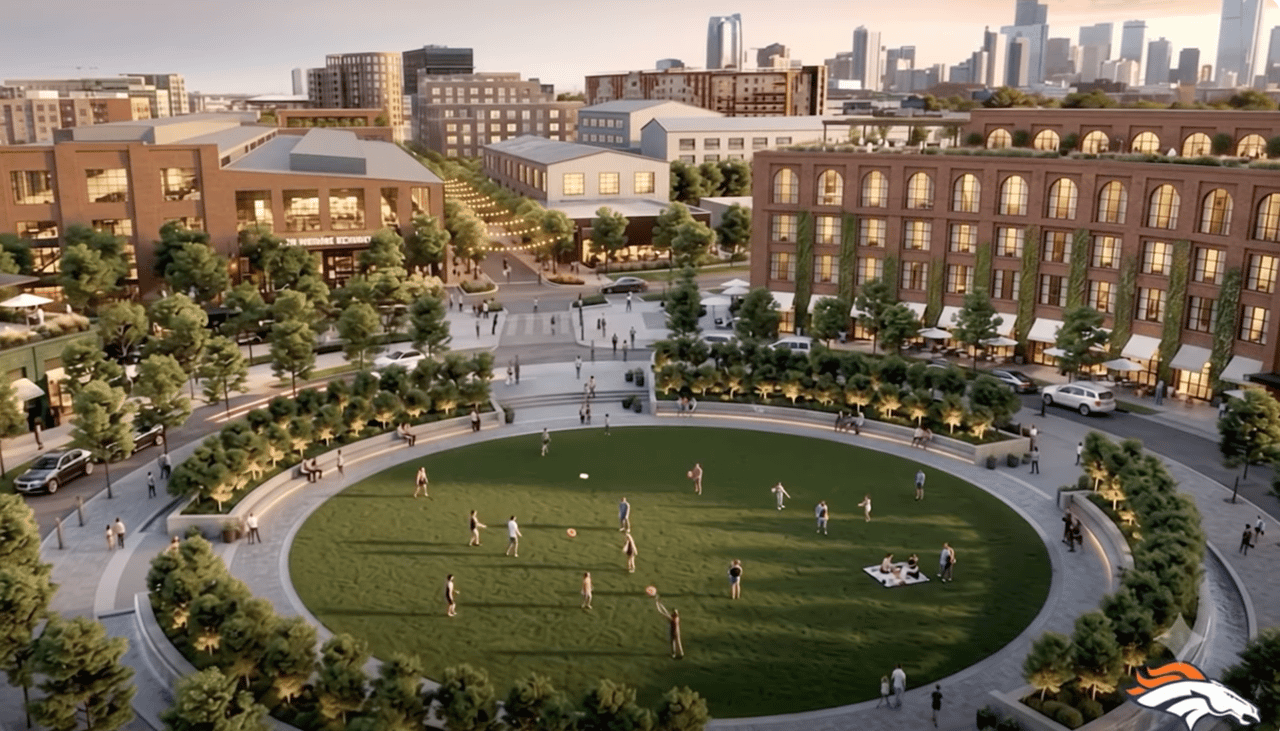
Burnham Yard, an old industrial rail yard just south of downtown Denver within city limits, is the planned site of a new Denver Broncos stadium. Land deals have been accumulating in the area, with the main site secured and an additional parcel closed in August 2026 to round out the footprint. A draft development plan is expected in October 2026, with the team targeting the 2031 NFL season for opening, meaning construction could begin as early as 2027. The broader plan includes a mixed-use district with restaurants, retail, housing, and significant public investment surrounding the stadium itself.
The neighborhoods around Burnham Yard each offer a different entry point into this emerging story.
Baker, centered around South Broadway, is the most established of the surrounding neighborhoods, with antique shops, live music venues, and older brick bungalows giving it a distinct, walkable character. Prices have cooled from post-pandemic highs and currently sit in the high $600,000s.
La Alma-Lincoln Park, one of Denver's oldest residential neighborhoods, is home to the Art District on Santa Fe and a popular First Fridays art walk. Smaller historic cottages start in the mid-$400,000s, while renovated homes and newer townhomes run from the $500,000s into the $700,000s.
Athmar Park, Villa Park, and Barnum, west of I-25 along the South Platte River, offer mid-century brick ranches on larger lots with tree-lined streets and pricing that has dipped into the mid-$400,000s, making this one of the most accessible entry points in the broader area.
Buying near Burnham Yard is a genuine long-term bet, best suited to buyers with a five-plus-year hold horizon. The stadium plan is not finalized, and construction timing depends on several factors still in progress. But for first-time buyers interested in holding a property as a rental, or for investors targeting fix-and-flip or infill development opportunities, this part of the city is likely to see significant activity over the next decade.
Sterling Ranch is a master-planned community in Douglas County built on nearly 4,000 acres of former ranchland south of Chatfield Reservoir. At full build-out, the plan calls for approximately 16,000 homes across nine villages. Only four villages are active today, and roughly 2,700 homes have sold, meaning the community is still in its early stages of development.
What distinguishes Sterling Ranch from a standard new subdivision is its preserved open space. Roughly 1,500 acres, more than a third of the total footprint, has been set aside as open space with dozens of miles of trails running through it. The result is wide mountain views, a sense of genuine breathing room, and a setting that feels like the foothills rather than a standard suburban grid.
Pricing is often marketed with a "starting in the mid-$400,000s" headline, which is accurate for smaller townhome options. The community-wide median for single-family homes, which make up the bulk of what's selling, runs more in the mid-$600,000s, with some larger homes pushing above that.
A significant employment anchor for the area is Lockheed Martin's Waterton Canyon campus, located nearby, along with the broader south-metro tech and aerospace corridor accessible via C-470. For buyers working in those industries, the commute calculus changes meaningfully.
The honest caveat for early buyers is infrastructure lag. On-site retail and grocery options are still catching up to the residential buildout, and most residents currently drive to Highlands Ranch or Littleton for everyday errands. That is a known and expected growing pain at this stage of development. Buyers who can accept that trade-off in exchange for being early in a community with a decade of planned growth still ahead have historically been well-positioned for long-term appreciation.
Washington Park, known locally as Wash Park, behaves somewhat like its own real estate economy within Denver, and that insularity is precisely what makes it a consistent performer.
The neighborhood is built around a 165-acre park featuring two lakes, a boathouse, and formal flower gardens. By early morning on a weekend, the park loop is already busy with runners, cyclists, and dog walkers. That energy extends into the commercial strips on either side of the park, Old South Gaylord and South Pearl Street, where coffee shops and brunch spots fill steadily through mid-morning.
The housing stock spans Craftsman bungalows, Denver Squares, Tudors, and early-1900s architecture alongside newer custom builds, with the median home price sitting at $1.3 million. Smaller bungalows in the 2,000-to-3,000-square-foot range coexist with larger homes topping 4,000 square feet. At the upper end, scraped lots have been replaced with architect-designed homes reaching approximately 6,000 square feet and priced in the $3 million-to-$4 million range.
From a pure ROI standpoint, Wash Park may seem like an unusual inclusion given its lifestyle-driven price premium. But the neighborhood continues to hold its value while other parts of Denver have seen corrections, and the reason is straightforward: scarcity. There is a fixed amount of land adjacent to a park of this caliber in the middle of a major city, and the park, the walkability, and the commercial energy surrounding it are not going anywhere. That constraint keeps demand steady and prices more resilient than in comparable nearby neighborhoods. Wash Park tends to sell faster and hold prices more consistently regardless of broader market conditions.
Centennial doesn't generate the kind of headlines that come with a stadium project or a neighborhood revival, but that consistency is exactly the point.
This established south-metro suburb, built out primarily in the 1960s through 1980s, sits close to the Denver Tech Center, the metro's largest suburban employment hub with a concentration of telecom, financial services, and healthcare employers. Downtown Denver is typically about 20 minutes in reasonable traffic. The Cherry Creek School District, which consistently ranks among Colorado's top academic performers, serves most of the city.
Prices across Centennial have held flat over the past two years, avoiding the 1% to 2% declines visible in other parts of the metro during the current higher-rate environment. The median sales price sits at approximately $650,000, with homes on the west side of Centennial generally commanding a premium over those east of I-25. Well-prepared homes priced accurately still receive multiple offers and go under contract within days to weeks, a signal of sustained demand in an otherwise measured market.
Single-family homes in the $600,000-to-$800,000 range typically yield up to around 3,500 square feet. Larger homes in the $900,000-to-$1.5 million range can reach 5,000 square feet or more depending on lot size, condition, and location.
Centennial is the pick on this list for buyers who prioritize slow, steady, predictable appreciation over a five-plus-year hold without the volatility that comes with betting on a neighborhood in transition.
Wheat Ridge illustrates a pattern visible in nearly every growing city: when a popular neighborhood becomes expensive, the area immediately adjacent becomes the smart buy. In the Denver metro, that dynamic is playing out clearly in Wheat Ridge, which sits just minutes from the Highland neighborhoods of northwest Denver, where smaller homes in need of work can easily reach $800,000 to $900,000.
Wheat Ridge offers a noticeably different feel. The housing stock leans heavily toward 1950s, 1960s, and 1970s ranch homes on larger lots than those found in denser central Denver neighborhoods. A meaningful portion of that housing stock has been remodeled with updated kitchens and finishes, though many homes retain the original single-level layout. New luxury spec construction has also entered the market, giving buyers who want new construction on the northwest side of the metro an option that didn't exist here a few years ago.
The data backs the momentum. Wheat Ridge's median sale price in the mid-$600,000s is rising year over year, with the area posting approximately 4% annual appreciation as of the time this was written, driven by continued remodels and new builds pushing average prices upward. Homes in the Applewood area have become particularly sought-after, with some now pushing past $2 million, while strong options under $1 million at 3,000-plus square feet with updates remain available.
A Saturday in Wheat Ridge might start with coffee in Historic Olde Town, then a walk or run around Sloan's Lake, and a stop on Tennyson Street for lunch. The proximity to northwest Denver's activity without paying northwest Denver prices is the core of the value proposition.
Neighborhood selection matters, but how a buyer approaches ownership after closing is equally important in a market that is no longer rising across the board.
The Denver metro is no longer a market that rewards passive ownership. Neighborhood selection, hold period, renovation discipline, and maintenance habits all factor into whether a purchase builds equity or stalls. The five areas covered here each offer a credible long-term case for appreciation, but that case only holds if the ownership strategy supports it.
Ryan Haarer is one of the top 1.5% of realtors by volume in the country, according to RealTrends, and works in the Denver metro area. Reach out for a personalized consultation by calling or texting Ryan at 303-507-5910 or emailing him at [email protected].
Stay up to date on the latest real estate trends.
Five Denver metro neighborhoods positioned for long-term appreciation, and what it takes to protect that return after you own the home
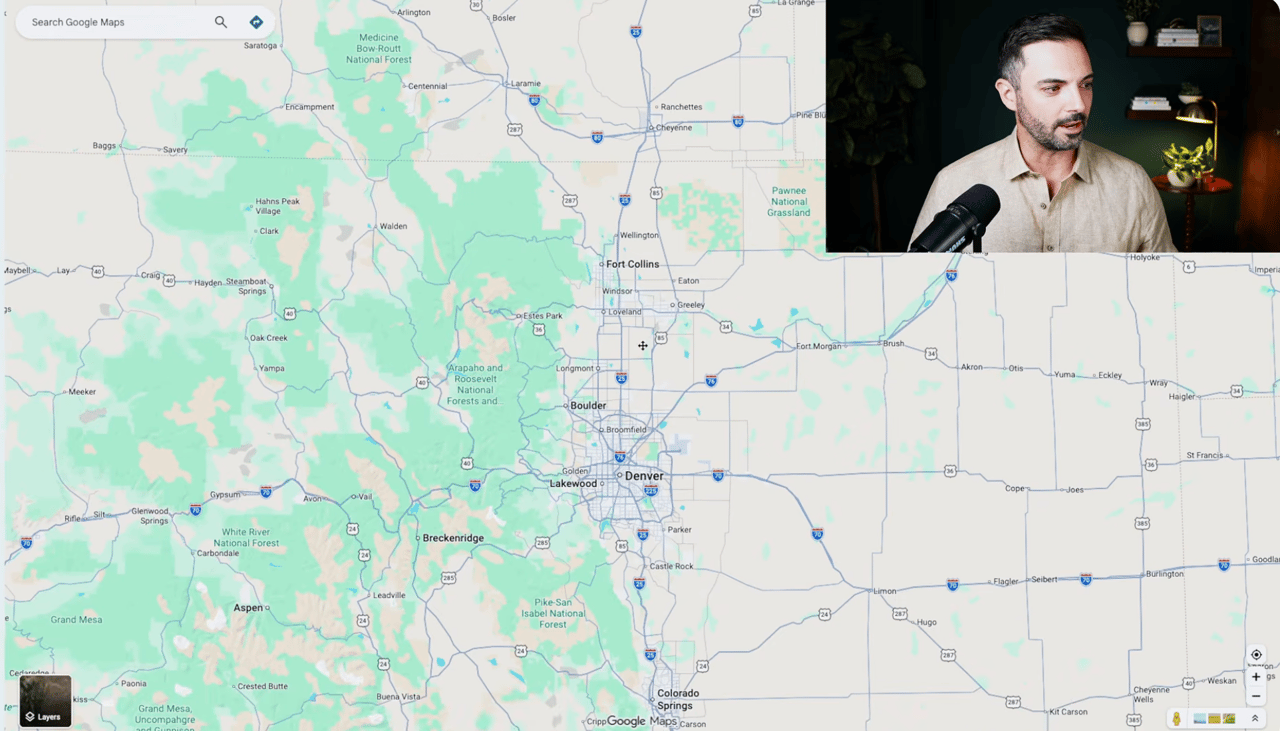
A region-by-region breakdown of the Denver metro area, from the urban core to the far suburbs, with home prices and lifestyle details for every area
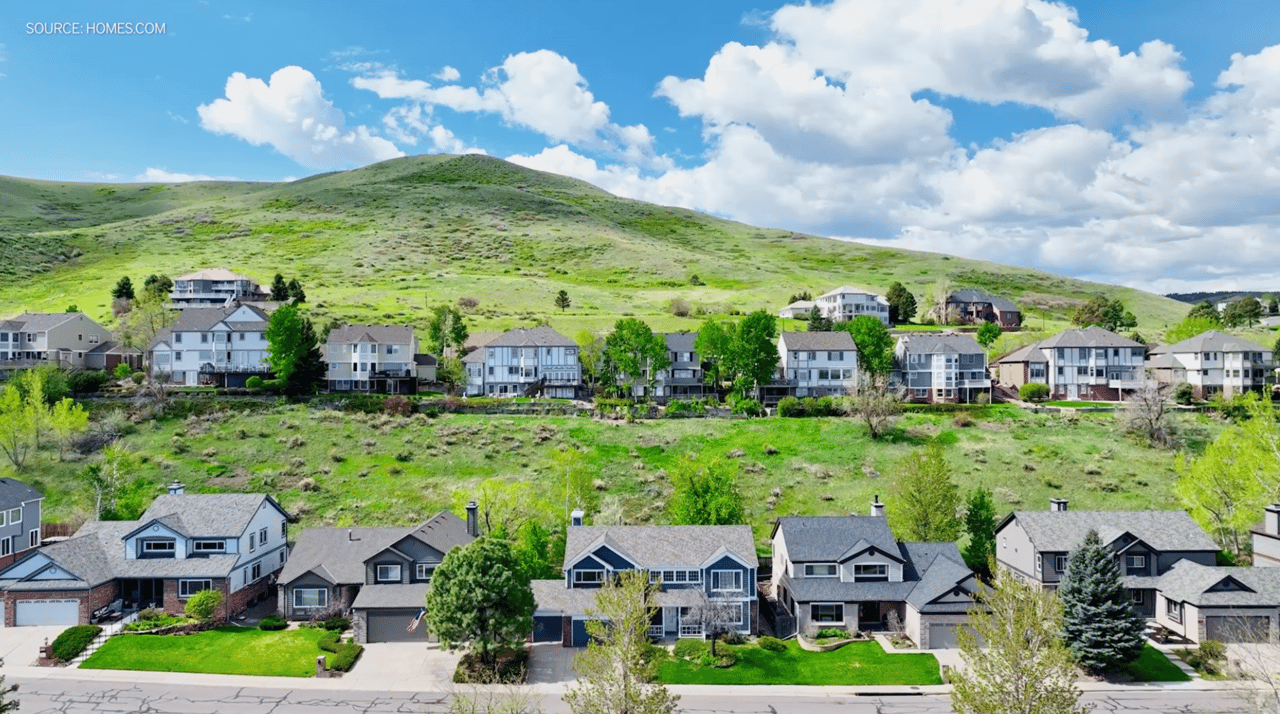
The same budget buys a small bungalow in one Denver neighborhood and 5,000-plus square feet in another. Here's what $1 million gets you across six of the metro's best … Read more
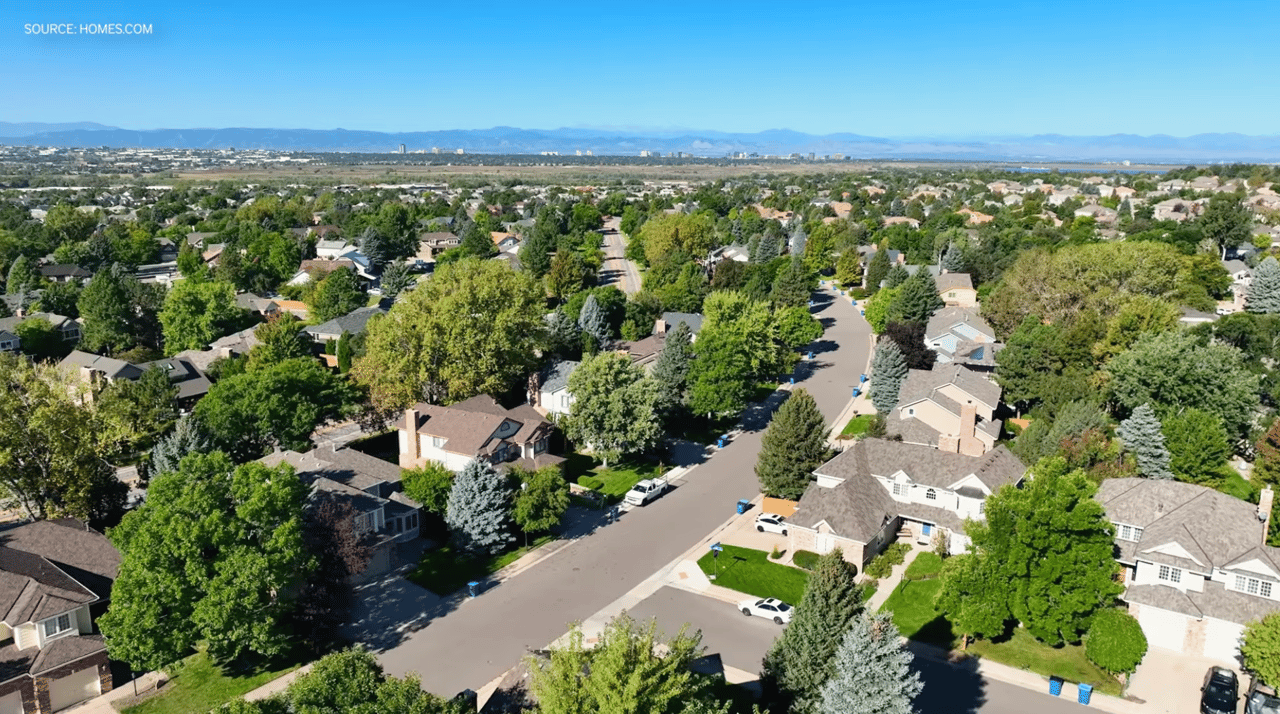
From overpricing to skipping staging, the most common missteps costing Denver sellers equity in today's market, and how to avoid them
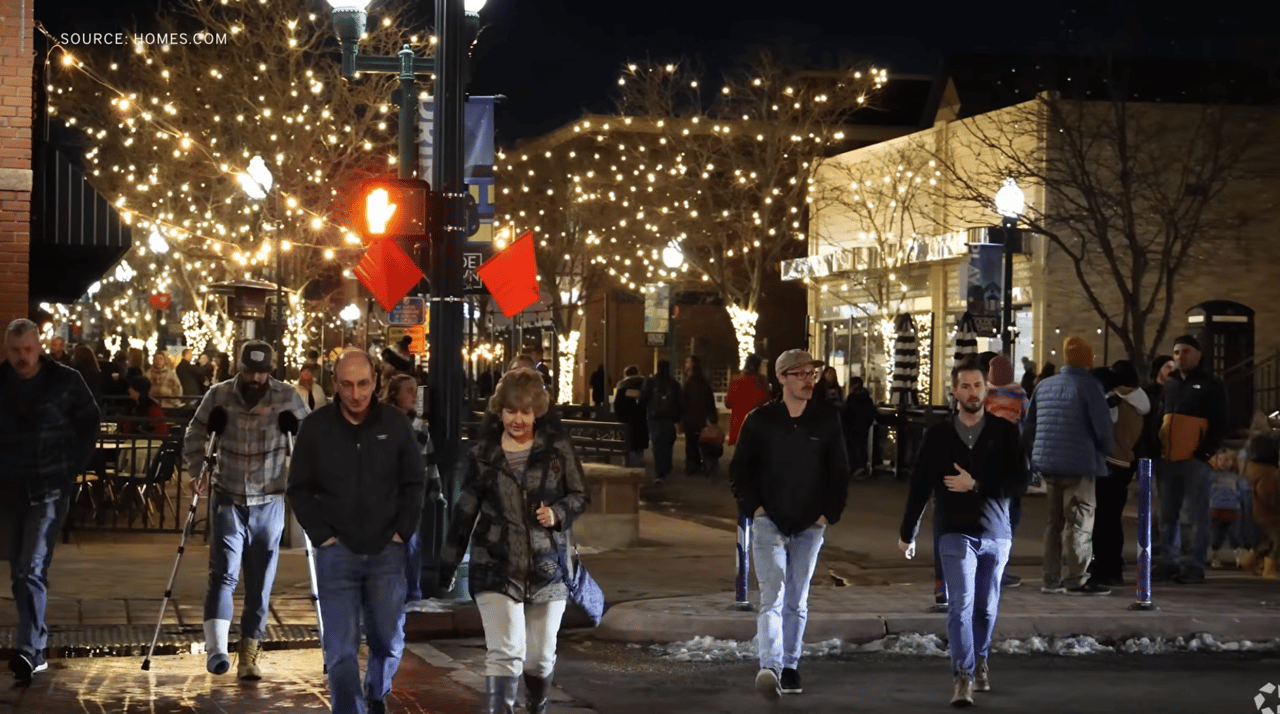
From Golden's creekside energy to Cherry Creek's luxury district, a neighborhood-by-neighborhood guide to the Denver metro's best walkable centers
He pays great attention to detail, ensuring his clients make sound, smart real estate choices and investments. Contact him today to discuss all your real estate needs!