The 10 Best Downtowns Near Denver
Ryan Haarer September 15, 2026
Ryan Haarer September 15, 2026
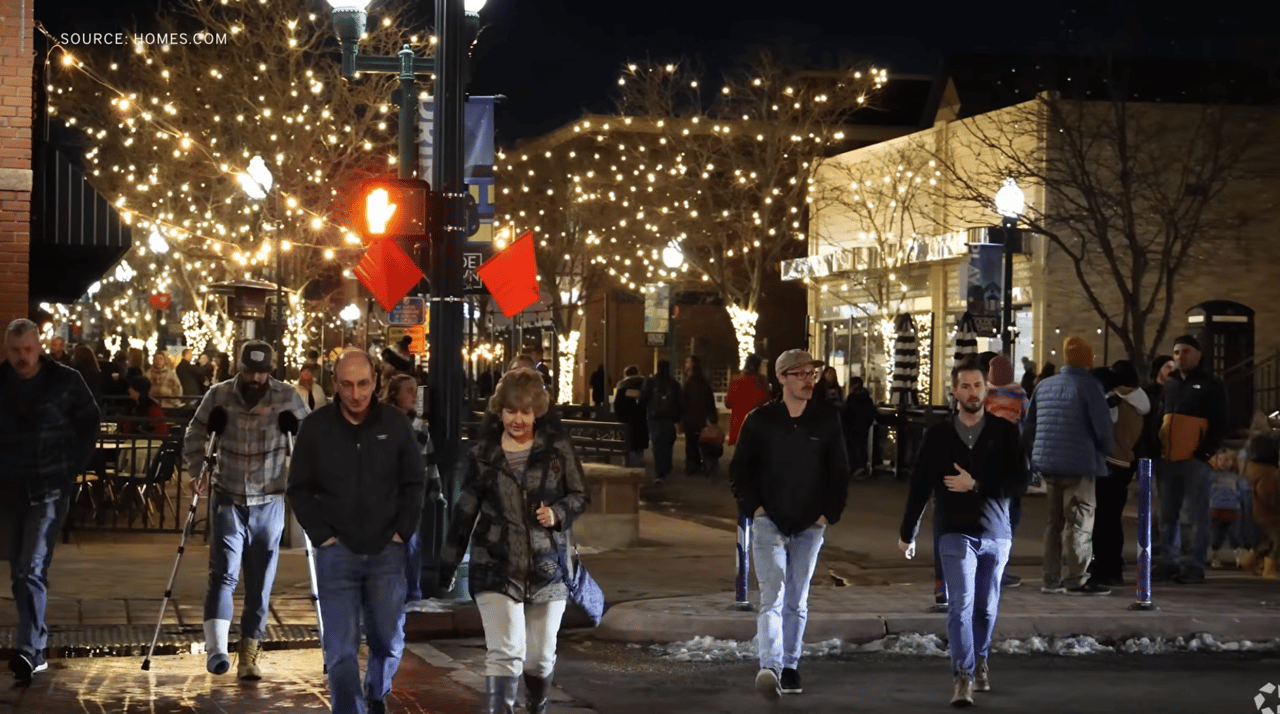
Downtown Denver gets most of the attention, but the metro's best weekend energy has quietly spread outward into neighborhood centers inside the city and small-town main streets across the suburbs. Here is a ranking of the ten best downtowns in and around Denver to actually live near, counting down to the top spot.
Before diving into the ranking, it's worth addressing downtown Denver directly. Of all the major metropolitan downtowns across the country, Denver's core is still working through a COVID-era hangover. Office vacancy sits around 38%, foot traffic has improved but hasn't fully returned, and some buildings feel dated. More workers are heading back to offices than at any point since the pandemic, and the trend is moving in the right direction, but the street-level energy isn't all the way back yet.
What happened is that the city's energy spread outward, into Denver's neighborhood centers and the small-town main streets across the metro. That's where people are spending their Saturdays now, and that's the idea behind this ranking.
Evergreen earns a spot on this list because it delivers a genuine mountain-town feel without the 90-minute-to-two-hour drive. About 30 to 45 minutes west of Denver in the foothills, Evergreen's historic downtown is tucked into a canyon, with many of its original structures from the 1800s still standing, giving it a distinct mountain mining character.
A Saturday here typically starts with a walk around Evergreen Lake, a flat mile-and-a-quarter loop well suited for families, followed by coffee or brunch on the historic downtown strip. For more strenuous outdoor activity, Alderfer Three Sisters Park offers multiple trail options with excellent views and frequent wildlife sightings. The dining scene has grown to include elevated bar food, health cafes, and bistros, with live music and outdoor events programming throughout the summer.
Median home prices in Evergreen sit around $900,000, typically yielding 2,000 to 3,000 square feet on an acre or two of land. Smaller condos and townhomes are available at lower price points, while luxury mountain retreats with 7,000-plus square feet can approach $8 million.
Downtown Littleton has the feel of a classic small-town main street, with turn-of-the-century brick buildings, antique shops, and locally owned restaurants and bars that feel more like neighborhood hangouts than destination dining. Town Hall, built in the 1920s, now operates as a local theater putting on regular productions.
The area is still growing in terms of broader metro draw, and it doesn't yet pull visitors from across Denver the way some higher-ranked entries on this list do. But residents are fiercely loyal to it, and for good reason. The Littleton-Downtown light rail station on the D Line provides a direct connection into Denver without dealing with traffic or parking, a practical advantage that often goes overlooked.
Littleton's citywide median sits in the mid-$600,000s, with a range of neighborhood options within about 10 minutes of Main Street spanning from condos to large single-family homes.
Parker is a suburb built around master-planned communities, strong schools, and well-developed retail infrastructure. Main Street is a different experience from the rest of town, a locally focused strip just off Parker Road that shifts the energy from highway corridor to neighborhood hangout.
The Sunday farmers market is the centerpiece, closing the street to traffic and filling the blocks with fresh produce, flowers, food vendors, and families. A playground just off Main Street makes it practical for families with young children. Live music is a regular feature, and the local restaurant mix includes taverns, delis, tacos, and Poulette Bakeshop, whose pastries have earned a devoted following.
Parker offers strong value across its housing stock, with 1990s-era homes in good condition exceeding 2,000 square feet available around $600,000, and new construction starting in the $700,000s. Luxury communities like the Colorado Golf Club represent the upper end of the market.
Castle Rock's downtown sits at the base of the butte that gives the city its name, and the combination is hard to replicate elsewhere in the metro. Wilcox and Perry Streets form the core, lined with local shops, restaurants, and views of the rock above. Hikers can climb Castle Rock and walk directly into downtown for lunch afterward.
The programming here is consistent and varied throughout the year, including farmers markets, group fitness events, and the annual star lighting, a signature fall event featuring fireworks and a festival as a large star is illuminated on the rock for the holiday season.
For a city as far south as Castle Rock sits in the metro, the downtown delivers a reliable level of activity that means residents don't need to drive into Denver every weekend to find something to do. The Outlets at Castle Rock draw shoppers from across the south metro, adding additional energy to the area.
Median home prices in Castle Rock land in the mid-to-high $600,000s, with options ranging from townhomes to large single-family homes and significant new construction inventory.
Highland Square is the heart of northwest Denver's neighborhood energy, with morning coffee crowds, a beloved farmers market, and restaurant and bar patios that stay busy from breakfast through late evening.
The food and drink scene here ranks among the city's best in the casual category. Fire on the Mountain is widely regarded as one of Denver's top spots for wings. Cerebral Brewing occupies a beautifully converted church space. Blue Pan Pizza has built a loyal following around its Detroit-style pies.
Highland Square sits within the broader Highlands region, which also includes LoHi's upscale nightlife scene, Tennyson Street's walkable stretch of boutique shops and restaurants, and a growing cluster of bars and restaurants south of Sloan's Lake. Wherever a buyer lands in northwest Denver, they're within close reach of consistent neighborhood activity.
Single-family homes in this area average around $900,000, typically older brick bungalows or Victorians running 2,000 to 3,000 square feet. Larger and newer homes, including some with accessory dwelling units, can range from $1.5 million to $3 million. Smaller homes in the $600,000-to-$700,000 range do appear occasionally.
Olde Town Arvada has undergone a significant transformation over the past five to ten years, evolving from a quiet historic district into a lively, walkable destination with local restaurants, live music, year-round events, and second locations from well-regarded Denver restaurants that have identified the area's momentum.
The G Line commuter rail runs from Olde Town Arvada directly to Union Station in roughly 20 to 30 minutes, a combination of walkable downtown and easy city access that is rare to find in Denver's suburbs. That transit connection is a major factor in the neighborhood's growing appeal.
Homes in the surrounding area typically land in the high $500,000s to mid-$600,000s.
Boulder's Pearl Street Pedestrian Mall earns a place on this list despite sitting roughly 30 miles outside the Denver metro. With more than 100 restaurants and shops, a strong year-round event calendar, and one of the most walkable urban environments in the region, Pearl Street functions as a destination for residents across the metro area.
The downtown reflects Boulder's character well, outdoorsy, independent, and energetic, with CU Boulder adding consistent activity during the academic year and enough programming to sustain it throughout the rest of the year. Boutique hotels, excellent local dining, and a walkable layout make it a genuinely compelling downtown.
The trade-offs are distance and price. Boulder sits 30 to 40 minutes from Denver without traffic, and home prices in the city typically land in the mid-$800,000s to low-$900,000s even after some price softening.
RiNo, the River North Art District, sits just north of downtown Denver and has become one of the most recognized creative neighborhoods in the western United States over the past decade. What was once a remnant industrial zone is now a dense mix of murals, breweries, art galleries, food halls, and restaurants drawing visitors from across the metro.
Denver Central Market anchors the neighborhood's food hall scene, and the concentration of craft breweries and cocktail bars within a few walkable blocks makes it one of the most self-contained entertainment districts in the city. A full afternoon and evening can be spent in RiNo without covering more than a few blocks.
The housing stock reflects the neighborhood's industrial origins, with converted loft condos in older buildings and newer infill townhomes representing the bulk of available inventory. Prices typically range from the low $500,000s to the $700,000s depending on size, building, and location.
Cherry Creek North is Denver's luxury district, a roughly 16-block walkable area filled with designer boutiques, art galleries, upscale spas, and high-end restaurants, with Class A office buildings interspersed throughout. Cherry Creek Shopping Center, anchored by Nordstrom and Neiman Marcus, sits one block away.
Major banks and tech firms have increasingly chosen Cherry Creek over downtown Denver for their regional offices, drawn by the neighborhood's polish, walkability, and the appeal it holds for clients and visitors. That commercial momentum has reinforced the neighborhood's position as the most active office submarket in the metro.
The residential market in the blocks north of the commercial district reflects that prestige. High-end townhomes, duplexes, and luxury condos with rooftop decks and premium finishes characterize the neighborhood. The median home price in Cherry Creek North sits around $1.7 million, with some luxury townhomes and penthouses approaching $10 million.
Golden earns the top spot because it delivers something no other downtown on this list can match: a creekside experience that is completely unique to the area.
Clear Creek runs directly through downtown, and on a summer Saturday, residents float the creek on inner tubes, climb out, and walk a block to a patio for a beer. That combination of outdoor access and walkable downtown is the defining characteristic of Golden, and it's genuinely difficult to replicate anywhere else in the metro.
The Coors Brewery is woven into the fabric of the town rather than tucked away on its outskirts, and a brewery tour followed by a beer in the hospitality lounge and a walk into downtown is a classic Golden afternoon. The Golden Mill, a multi-level food hall with self-serve beer taps and a rooftop overlooking the Flat Irons, serves as the neighborhood's social hub.
Washington Avenue rounds out the experience with ice cream shops, cafes, boutiques, art galleries, and a Saturday farmers market, all set beneath the Colorado School of Mines. Golden sits at the base of Clear Creek Canyon, putting it just minutes from both Denver and true mountain access.
Median home prices in Golden sit around $900,000, a mountain-town premium that reflects both the location and the lifestyle.
The best downtown on this list isn't the one ranked first — it's the one that matches the way a buyer wants to live. Getting that part right shapes everything else: the commute, the weekends, and the long-term enjoyment of the neighborhood.
Ryan Haarer is one of the top 1.5% of realtors by volume in the country, according to RealTrends, and works in the Denver metro area. Reach out for a personalized consultation by calling or texting Ryan at 303-507-5910 or emailing him at [email protected].
Stay up to date on the latest real estate trends.
Five Denver metro neighborhoods positioned for long-term appreciation, and what it takes to protect that return after you own the home
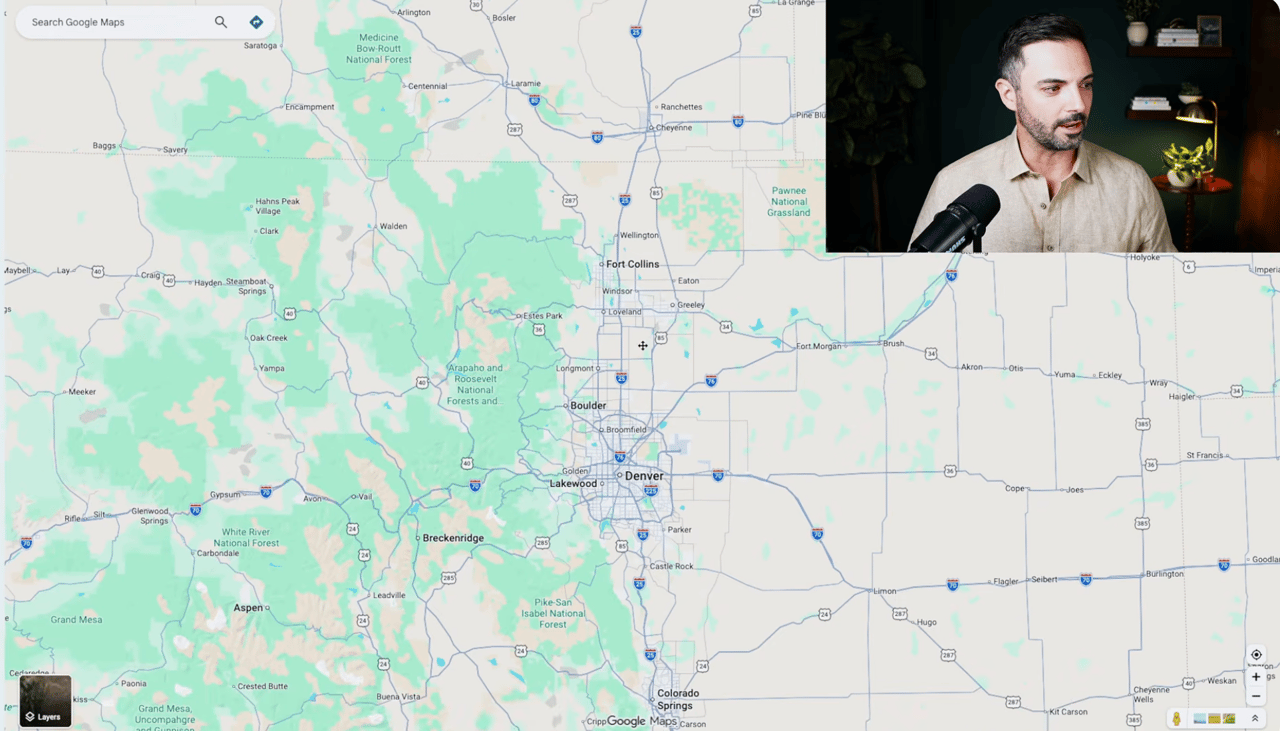
A region-by-region breakdown of the Denver metro area, from the urban core to the far suburbs, with home prices and lifestyle details for every area
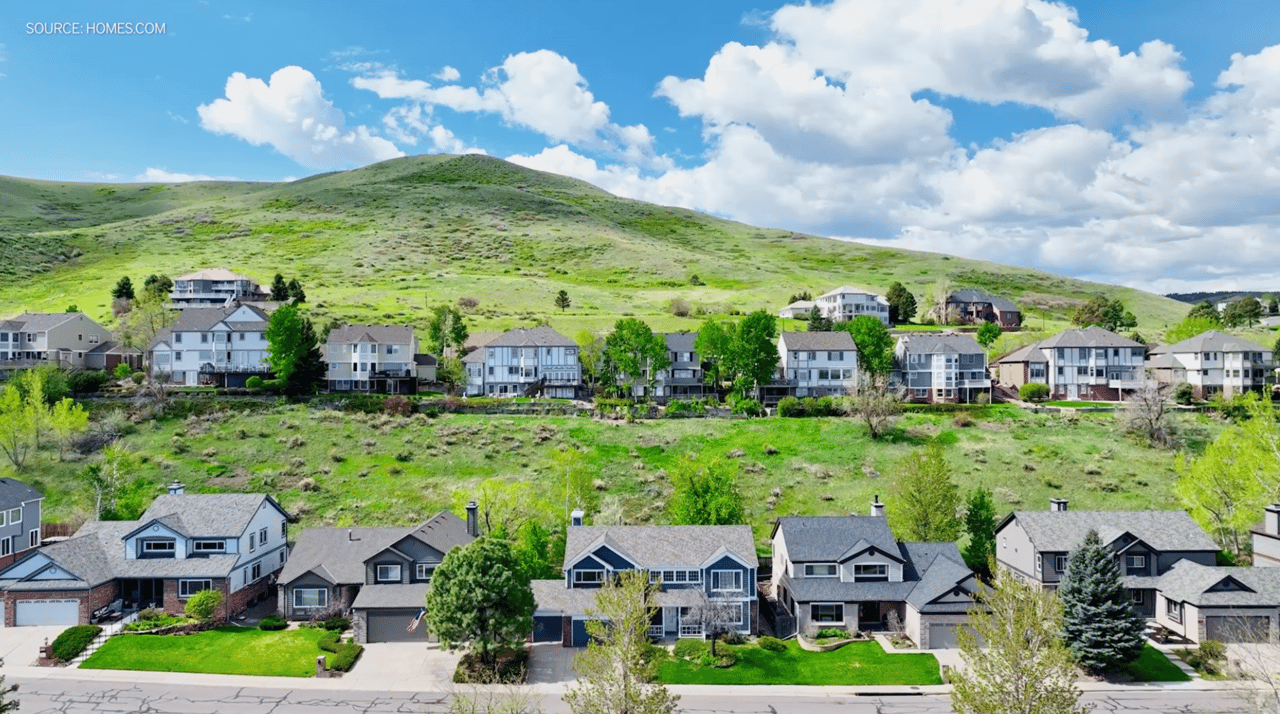
The same budget buys a small bungalow in one Denver neighborhood and 5,000-plus square feet in another. Here's what $1 million gets you across six of the metro's best … Read more
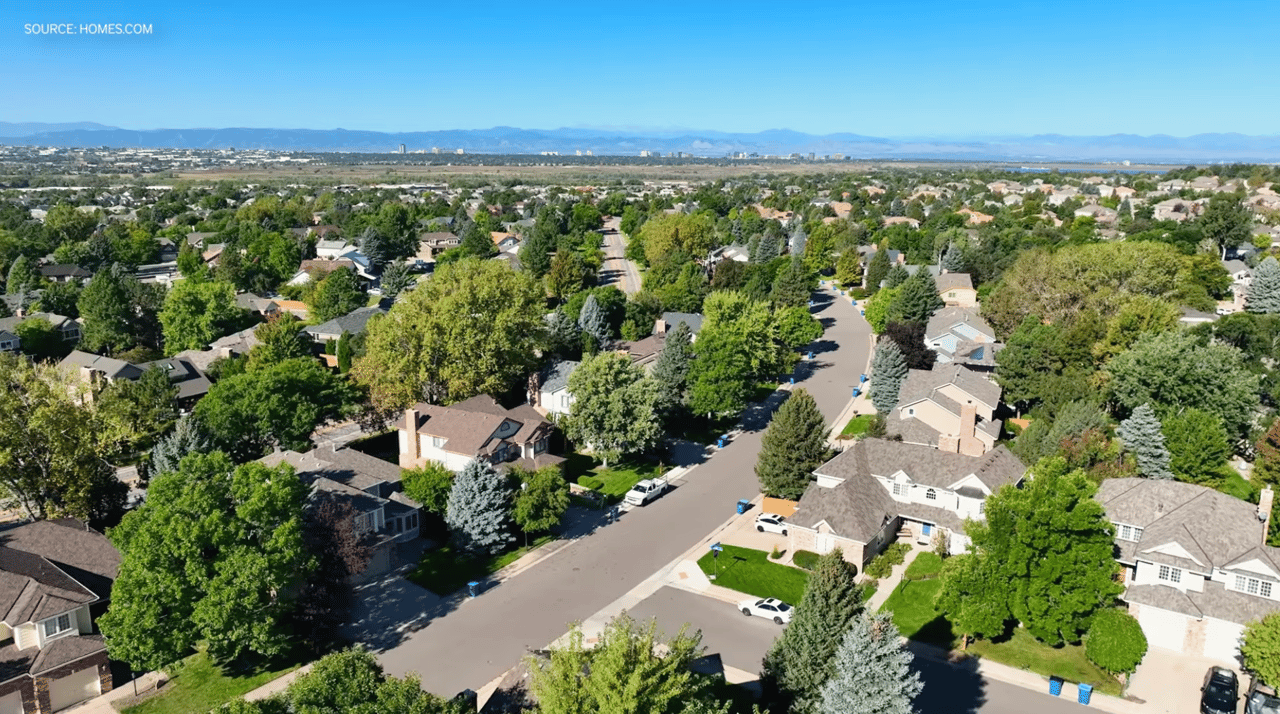
From overpricing to skipping staging, the most common missteps costing Denver sellers equity in today's market, and how to avoid them
From Golden's creekside energy to Cherry Creek's luxury district, a neighborhood-by-neighborhood guide to the Denver metro's best walkable centers
He pays great attention to detail, ensuring his clients make sound, smart real estate choices and investments. Contact him today to discuss all your real estate needs!