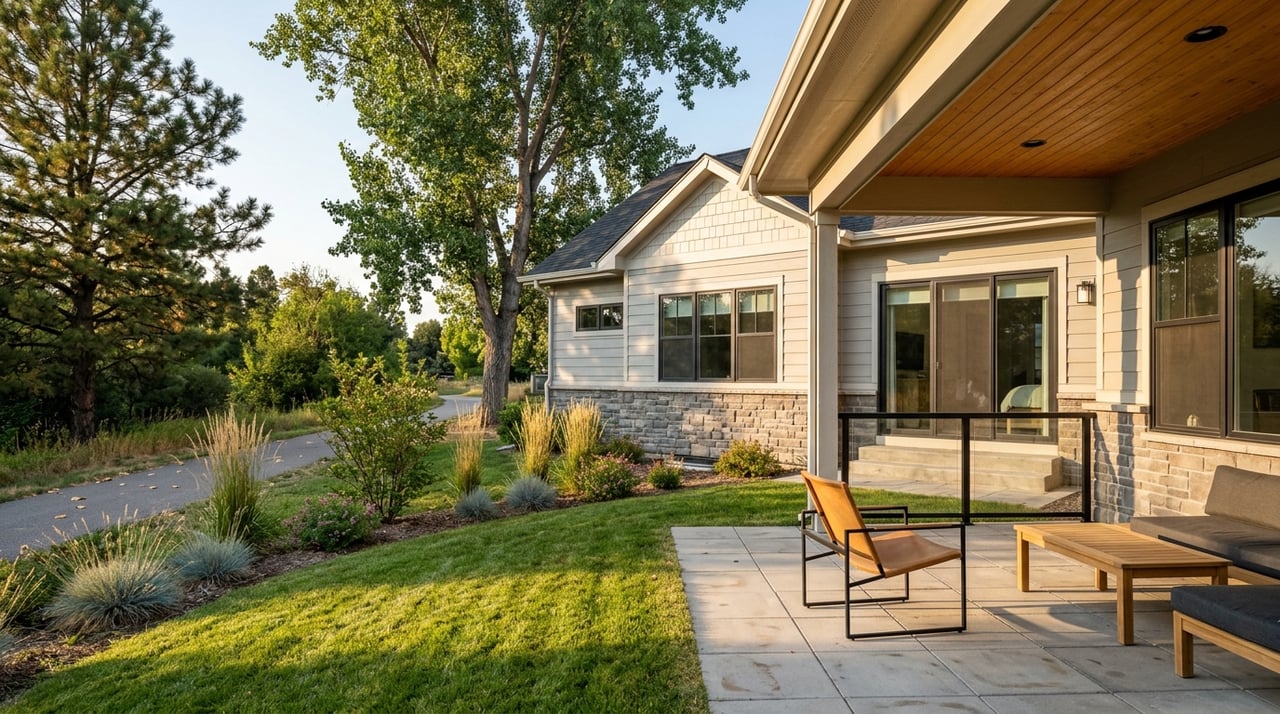
Denver Parks And Greenways For Everyday Living
May 7, 2026
May 7, 2026
Looking for a Denver home where green space is part of your daily routine, not just a weekend bonus? In this city, parks and trails shape how people move, exercise, gather, and unwind. If you want to understand how Denver’s park system affects everyday living and even the home search, this guide will help you see the city through a more practical lens. Let’s dive in.
Denver’s park system is woven into everyday routines in a way that stands out even among major cities. Denver Parks & Recreation manages nearly 20,000 acres of urban and mountain parkland, more than 280 urban parks, natural areas, off-street trails, historic parkways, and 30 recreation centers.
That reach matters because it makes park access feel normal across much of the city. Trust for Public Land’s 2025 ParkScore ranks Denver 10th among the 100 most populous U.S. cities and reports that 96% of residents live within a 10-minute walk of a park.
Denver’s green feel is not limited to major parks. The city’s parkway system includes medians, setbacks, and tree lawns that create a broader park-like public realm, and some medians are wide enough to support walking and jogging. In practical terms, that means some streets feel more open and leafy than a typical urban block.
Some Denver parks function like landmarks. Others become part of your weekly rhythm. The difference matters when you are deciding where and how you want to live.
At more than 300 acres, City Park is Denver’s largest urban park. It combines paths, tennis courts, athletic fields, an event venue, the Denver Zoo, and the Denver Museum of Nature & Science, so it works as both a daily-use park and a citywide destination.
That mix gives the area a distinct rhythm. You may use it for a morning walk one day and return for a museum visit or event another day. The city is also redesigning parts of the park to improve loop circulation and pedestrian and bicycle space, which reinforces its role in everyday mobility.
Washington Park is one of Denver’s clearest examples of a park that supports a full day of activity. The nearby recreation center includes a lap pool, pickleball court, gymnasium, cardio room, weight room, locker rooms, multipurpose room, and programs for different age groups.
The park also features a historic boathouse, flower displays, and ongoing improvements to walks, courts, and irrigation. Adventure Hub rentals add another layer of use, with kayaks, paddleboards, pedal boats, cruiser bikes, and surreys available in the area.
Cheesman Park offers a different kind of daily value. At 80 acres in the heart of Capitol Hill, it sits within one of Denver’s most densely populated areas and reads as a highly walkable urban green space.
Current work at the park includes a renovated playground, a new picnic site, and an improved pedestrian connection to Denver Botanic Gardens. That tells you a lot about its role in the city. It is not just a place to drive to. It is part of the daily walking network for nearby residents.
Sloan’s Lake is one of northwest Denver’s best-known outdoor settings. It is widely appreciated for walking loops, views, and neighborhood energy, which is why it often comes up in conversations about lifestyle-driven home searches.
It is also a good reminder that beloved outdoor spaces need stewardship. Denver says the lake averages only 3.5 feet deep and receives runoff from parts of Denver and nearby suburbs, so the city monitors algae and related ecological concerns. For buyers and sellers alike, that is a useful example of how amenities and maintenance often go hand in hand.
Ruby Hill is an 80-acre park with a more activity-forward feel. It includes a mountain biking course, athletic fields, a community garden, a winter rail yard, and the Levitt Pavilion amphitheater.
Confluence Park plays a different role. It serves as a downtown gathering point where the South Platte and Cherry Creek trail systems meet, making it one of the best examples of a greenway-oriented urban space that connects recreation with everyday movement.
Denver’s trail system is not an afterthought. It is a major part of how people experience the city, especially because much of the network follows waterways.
Denver has more than 100 miles of off-street multi-use trails within the city. These routes are designed for walking, running, cycling, and skating, which gives them value beyond recreation alone.
The South Platte River runs 12.5 miles through Denver, and the city’s Healthy River Corridor work shows how important that corridor is to the broader urban fabric. The city’s adopted criteria prioritize floodplain function, riparian habitat, recreation, mobility, river access, and natural open space.
That makes the South Platte more than a scenic edge. It is a greenway that influences movement, public access, and the feel of nearby areas.
The Cherry Creek Trail is one of Denver’s key routes, but it also comes with real-world considerations. The city notes that the trail can be flood-prone during heavy rain and snowmelt.
For everyday living, that matters. A nearby trail can support commuting and exercise, but periodic closures, detours, or maintenance may affect how you use it through the year.
Denver is actively upgrading parts of its trail network. Current projects include widening segments of the South Platte River Trail to newer regional standards, along with widening and accessibility work on the Cherry Creek Trail and High Line Canal Trail.
The High Line Canal Trail stretches 71 miles overall, with about 16 miles running through Denver County. For buyers who prioritize access to longer connected routes, that type of corridor can be a meaningful lifestyle feature.
If you are buying in Denver, green space can tell you a lot about how an area may live day to day. Park access is not just about scenery. It often signals housing type, street feel, activity level, and mobility options.
Areas around Cheesman Park, City Park, and much of Capitol Hill often read as established, denser urban neighborhoods. Based on the city’s descriptions and planning context, buyers in these areas are often considering condos, apartments, rowhomes, or older single-family homes on smaller lots rather than large suburban-style parcels.
That can appeal to buyers who value walkability, nearby amenities, and easier access to parks without relying on a car for every outing. If your goal is an urban lifestyle with green space close at hand, these areas often stand out.
West Denver and areas around Sloan’s Lake tend to offer a broader housing mix. The West Area Plan calls for options that include low- to mid-scale multi-unit buildings, smaller multi-unit buildings among single- and two-unit homes, and rowhouse and townhouse forms in certain areas.
That makes park-adjacent westside neighborhoods especially relevant if you want flexibility. You may find a walkable setting with a range of property types, whether you are looking for a condo, townhome, or a larger next-step home.
Homes along designated parkways can feel distinct even when they are not directly next to a major park. Denver’s parkway ordinances define setbacks and tree lawns, and buildings along parkways are subject to building-line restrictions.
That planning framework helps explain why some streets feel especially broad, landscaped, and park-like. If streetscape matters to you, parkway locations are worth paying attention to during your search.
If you are selling a home near a park or trail, the strongest story is usually not just proximity. It is how that green space fits into everyday life.
A home near City Park may appeal to buyers who want easy access to paths, major attractions, and open space. A Washington Park location may connect with buyers who picture regular runs, lake loops, or rec center use. A Sloan’s Lake property may stand out for its walking paths, views, and neighborhood activity, while a river-adjacent home may attract buyers who value trail access and commuting convenience.
This is where thoughtful marketing matters. When a home’s location is tied to a recognizable outdoor lifestyle, clear storytelling and strong visuals can help buyers understand the value quickly and emotionally.
Living near parks and greenways can improve day-to-day life, but it is smart to view the full picture. Larger parks and trail corridors can bring construction projects, temporary closures, event traffic, and seasonal maintenance.
Denver’s current work in places like City Park, Washington Park, and along major trail segments shows that these spaces are active public assets, not static amenities. In many cases, that ongoing investment is a positive, but it can also mean short-term disruption.
For buyers, that means asking practical questions about access, parking, trail conditions, and nearby activity levels. For sellers, it means presenting the location honestly while emphasizing the real lifestyle advantages that make these homes stand out.
If you are trying to match your home search or sale strategy to the way Denver residents actually use parks, trails, and parkways, local context makes a difference. Ryan Haarer can help you evaluate how a specific location lives day to day and build a smart plan around it.
Stay up to date on the latest real estate trends.
He pays great attention to detail, ensuring his clients make sound, smart real estate choices and investments. Contact him today to discuss all your real estate needs!