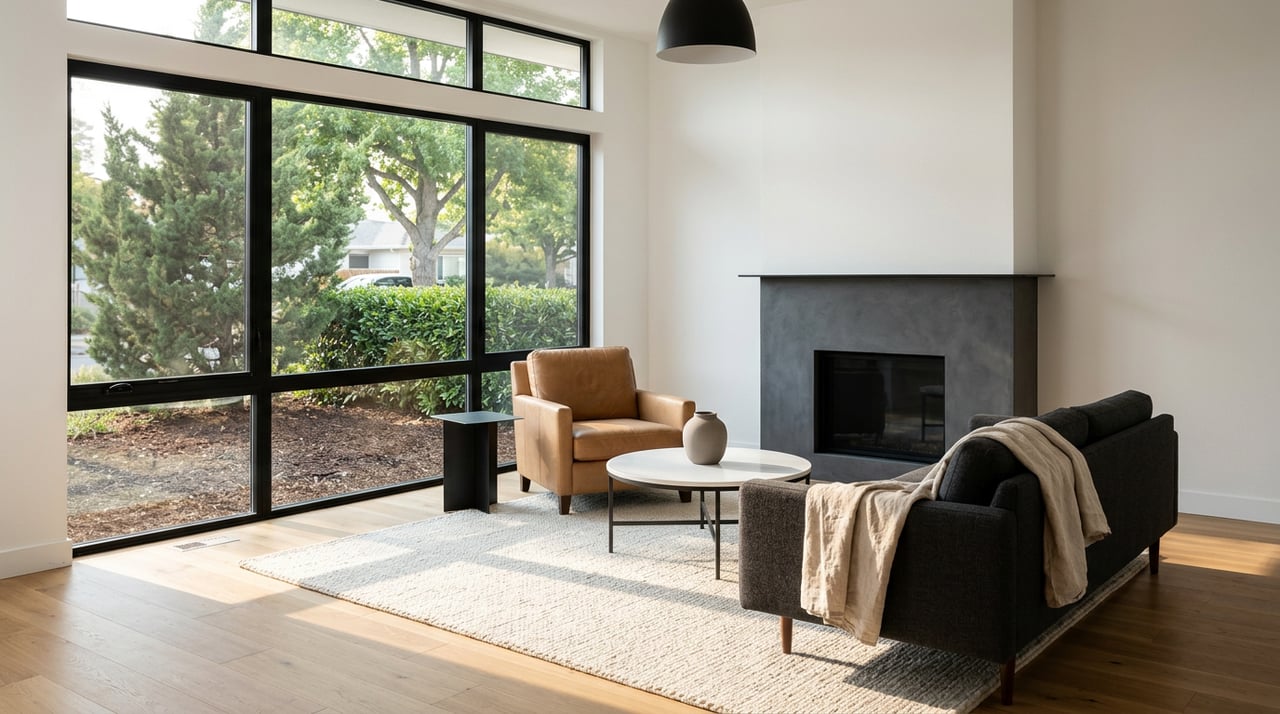
Step-by-Step Denver Home Selling Timeline to Closing
March 12, 2026
March 12, 2026
Thinking about selling your Denver home and wondering how long it will really take? Timing your prep, pricing, and marketing can make a big difference in how fast you attract offers and what you net at closing. You want a clear plan that fits Denver’s market rhythm, avoids last-minute snags, and delivers a smooth handoff to the next chapter. This step-by-step guide gives you a realistic timeline from first decision to funded closing, with Denver-specific data and Colorado contract insights so you can list with confidence. Let’s dive in.
Metro Denver’s market is taking a bit longer to move than in recent years. In January 2026, the metro median closed price was about $569,000 and the median days in MLS was about 56 days, according to REcolorado’s January 2026 Market Watch. Neighborhoods vary, so use local comps to fine-tune your expectations.
Seasonality still matters. The busiest buyer window typically runs from late winter through spring, roughly February to June, based on REcolorado, January 2026. If you want to capture peak demand, finish prep and media before that window.
If you are considering a kitchen or bath reconfiguration, roof replacement, or any permitted structural projects, start early. Contractor lead times plus permits and inspections can stretch 3–6 months or more. Lock bids, confirm timelines, and plan around weather for exterior work.
Interview agents, request a data-driven CMA, and pick a target list window. If you want fewer surprises later, consider a pre-list market inspection to surface material issues early. Contractor schedules fill quickly, so book any significant repairs now.
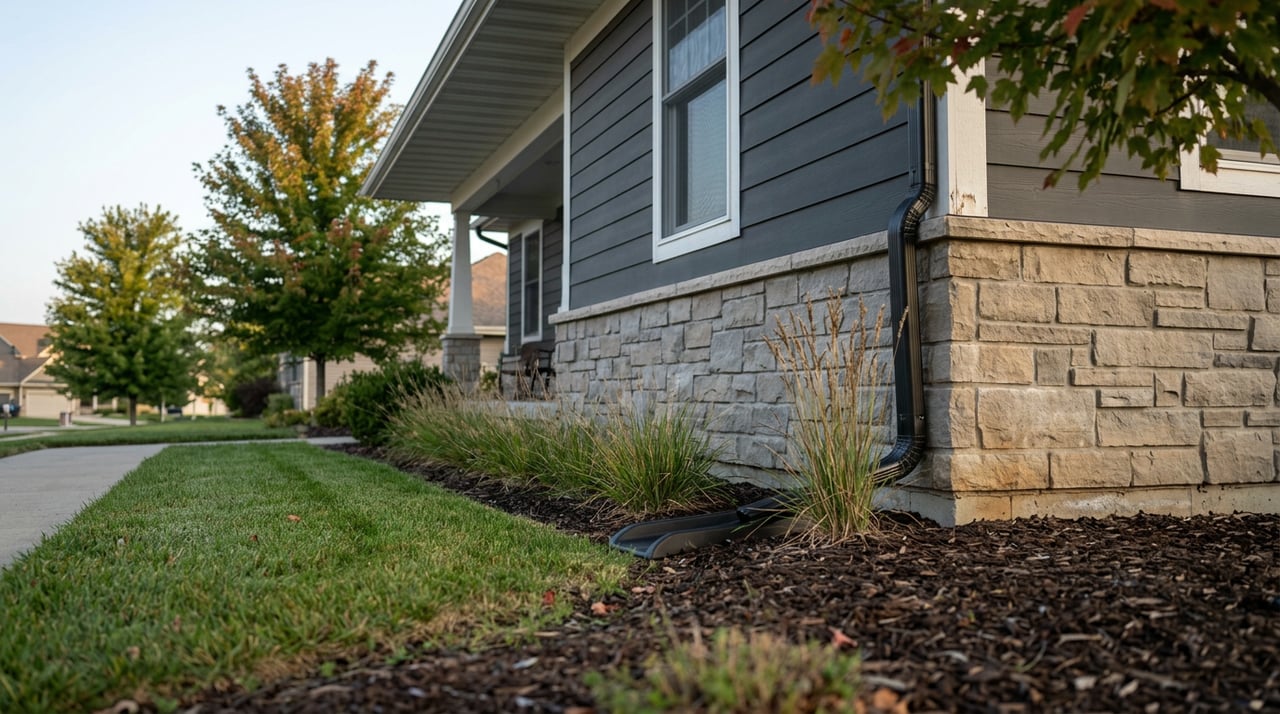
Declutter, deep clean, and knock out small repairs like caulk, paint touch-ups, and door hardware. Boost curb appeal with mulch, pruning, and tidy edges. Book a staging consult. Staging companies often need 1–3 weeks to plan and install, and handyman work can require 2–6 weeks of lead time, so build in buffer.
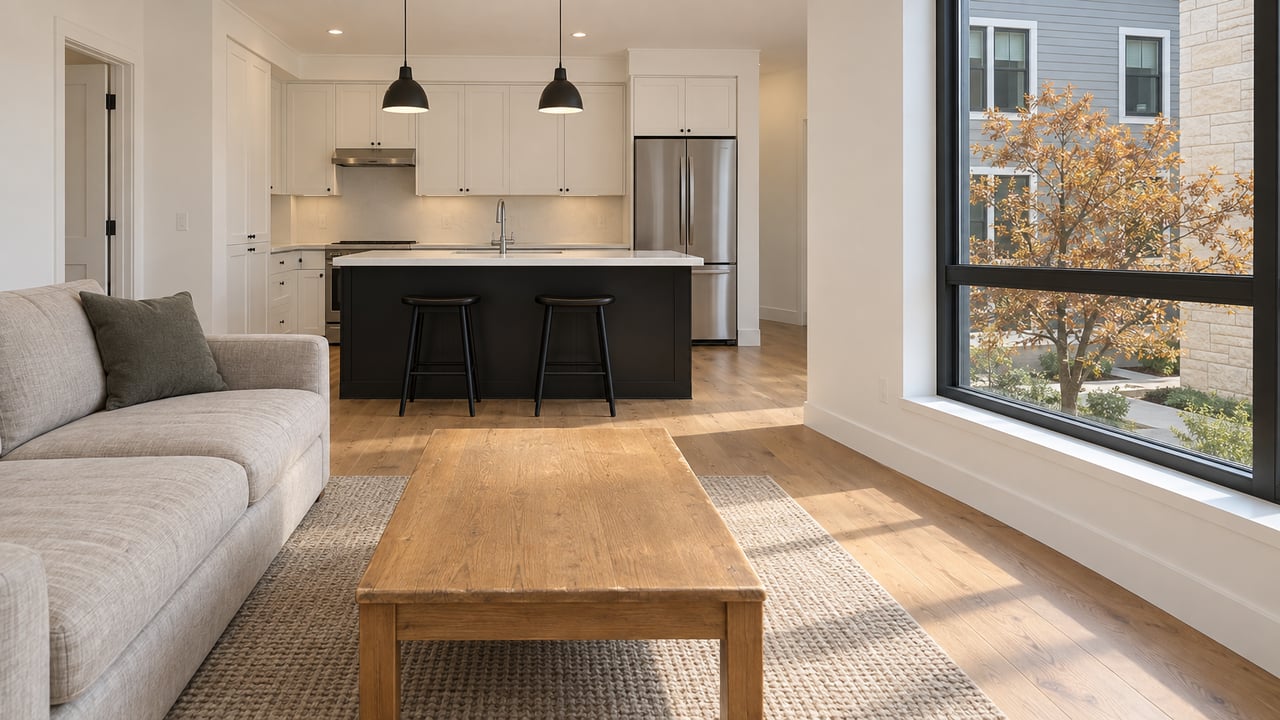
Focus your staging investment where buyers pay the most attention: the living room, the kitchen, and the primary bedroom. The National Association of REALTORS’ 2025 Profile of Home Staging found about 29% of agents who staged saw a 1–10% increase in offer price and nearly half reported less time on market. See the NAR 2025 staging report for details.
Schedule professional photography, a precise floorplan, and a video or 3D tour. Strong visuals drive more online engagement and higher-quality showings, and many providers can turn assets around within 48–72 hours once your home is show-ready. Finalize your day-one pricing strategy based on current neighborhood comps and activity.
Go live in the MLS with your full media package. Your agent may run a broker open and coordinate targeted digital ads, email, and social distribution to maximize launch-week momentum. Be ready for showing requests and weekend open houses, depending on strategy.
If price and presentation are aligned, first offers often arrive in the first one to three weeks. Where the metro median days-in-MLS hovers around 56 days, well-prepared homes priced to market tend to move sooner. Track feedback and showing volume closely in the first 7–14 days to decide on any quick adjustments.
Colorado’s Commission-approved contract sets firm deadlines, including a buyer inspection and due-diligence window, commonly 7–14 days by negotiation. Review the state’s standard form to understand the timing structure and obligations in detail: Colorado Real Estate Commission residential contract. Pre-list inspections can help you resolve issues early and reduce post-offer renegotiations.
If the buyer is financing, expect the appraisal and underwriting to add 1–3 weeks. If an appraisal comes in low, you may negotiate price, concessions, or buyer funds to cover any gap.
Title coordinates payoffs, prorations, HOA docs if applicable, and recording. A typical financed deal in Colorado takes about 30–45 days from acceptance to closing, while cash can be faster. See these common timelines summarized in this Colorado real estate closing guide.
Initial traction matters most in the first 7–14 days. Use a data-based CMA and current local comps rather than relying on metro-wide averages. In a market where the median days-in-MLS is around 56 days, accurate pricing can pull your sale forward by weeks.
Staging typically boosts perceived value and helps buyers picture daily life in the home. NAR’s 2025 staging report shows about 29% of agents saw a 1–10% price lift and nearly half reported shorter market time for staged listings. Even targeted staging for key rooms can improve outcomes. Review the NAR 2025 staging report for the full findings.
Professional photos, a clean floorplan, and a compelling video or 3D tour increase online engagement and attract more qualified showings. Major portals have reported significantly higher views for listings with immersive media, which often translates into faster offers.
When offers arrive, weigh price against terms that keep momentum: shorter due-diligence windows, strong earnest money, and clear appraisal language. Strong terms reduce time-to-close and limit the chance of late surprises.
Ranges reflect REcolorado market pace and typical Colorado practices. Your property condition, neighborhood activity, and pricing strategy will shape the exact timeline.
Great marketing shortens your timeline and strengthens your negotiating position. With a video-first approach, targeted digital advertising, and polished listing microsites, you put your home in front of more qualified buyers faster. Pair that visibility with disciplined offer strategy and clear contract management to protect your bottom line and your calendar.
Ready to map your exact timeline and launch plan? Connect with Ryan Haarer to get a custom prep schedule, data-backed pricing, and a cinematic marketing rollout that attracts stronger offers.
Stay up to date on the latest real estate trends.
From major residential projects and infrastructure upgrades to new dining and retail, a comprehensive look at what’s changing across the Denver metro this fall

Five Denver metro neighborhoods positioned for long-term appreciation, and what it takes to protect that return after you own the home
A region-by-region breakdown of the Denver metro area, from the urban core to the far suburbs, with home prices and lifestyle details for every area
He pays great attention to detail, ensuring his clients make sound, smart real estate choices and investments. Contact him today to discuss all your real estate needs!