Is Denver city living or the suburbs the better fit for your next move? It depends on what you value most. You might want walkability and short commutes, or you might crave a bigger home and private yard. In this guide, you’ll see real Denver-area data on costs, commute times, schools, home styles, and lifestyle trade-offs. You’ll also get a simple framework to make the decision with confidence. Let’s dive in.
What you get for your money
Buying in central Denver looks different from buying in the suburbs. Prices, home types, and yard sizes vary by neighborhood, and the right fit depends on your priorities.
City snapshot: pricing and property types
According to Redfin, the Denver city median sale price was about $571,000 in January 2026. You’ll find a mix of historic single-family homes, renovated bungalows, and a broad range of condos and townhomes. Smaller lot sizes are common in central neighborhoods, so plan for less private outdoor space in exchange for proximity to dining, parks, and cultural spots. Redfin’s Denver market overview is a helpful baseline when you’re weighing a city purchase.
Suburb snapshot: wider range and more space
Suburban prices vary by community. Aurora often trends more affordable, with recent medians in the mid-$400Ks, while master-planned suburbs like Highlands Ranch and Parker frequently land higher, often in the high $600Ks to $700Ks depending on the property segment. If you want a larger home and yard, your dollars may go further in many suburbs than in central Denver, but you should factor in a likely longer commute. For affordability comparisons, start with Redfin’s Aurora page and layer in current MLS comps.
Inventory and timing
Inventory across the Denver metro increased in early 2026 compared with pandemic lows, which points to a more balanced market than 2020–21. That said, conditions still vary by neighborhood and property type, and detached homes often behave differently than attached homes. Plan your timing with the latest local data and expect neighborhood-level differences in pricing and days on market, as noted in recent coverage of inventory trends in ColoradoBiz.
Commute, transit, and daily logistics
How much time do you want to spend getting to work, school, and errands? Commute times are a key trade-off between central Denver and the suburbs.
- The mean one-way commute for Denver workers is roughly 25 minutes, based on U.S. Census QuickFacts. Nearby suburbs often report similar or slightly longer averages. Your actual time depends on where you work and when you travel. See city-level context in Census QuickFacts.
- Central neighborhoods have more transit and walk options. Suburbs are more car-dependent, though certain areas have rail or park-and-ride access.
- RTD continues to adjust service and schedules post‑pandemic. Check current service patterns on the RTD Performance Dashboard when you plan your commute.
Practical steps:
- Test your commute at peak times on a weekday morning and evening.
- If you plan to ride transit, map the route and timing before you buy.
- Don’t forget daily logistics like daycare drop-off, gym access, and grocery runs.
Schools and how to research them
If schools are a top priority, dig into district performance and specific boundary details before you write an offer.
- Suburban districts such as Cherry Creek and Douglas County commonly report on-time graduation rates in the low 90s. For example, Cherry Creek recently announced its highest-ever graduation rate, which many move-up buyers find compelling. You can read about it on the Cherry Creek Schools news page.
- Denver Public Schools have been showing improvements in graduation rates at the district level, though outcomes vary by school. Always verify the most recent data.
How to check a specific address:
- Confirm the assigned schools and boundaries on district maps.
- Review recent performance, graduation rates, and reports on the Colorado Department of Education’s SchoolView.
- If you are considering magnets or charters, look up admissions policies and timelines early.
Use neutral, fact-based comparisons. Outcomes can differ widely by individual school and change year to year, so pull current reports before making a decision.
Home styles, yards, and maintenance
Your lifestyle and maintenance comfort level should guide your choice between historic character and newer builds.
Central Denver character
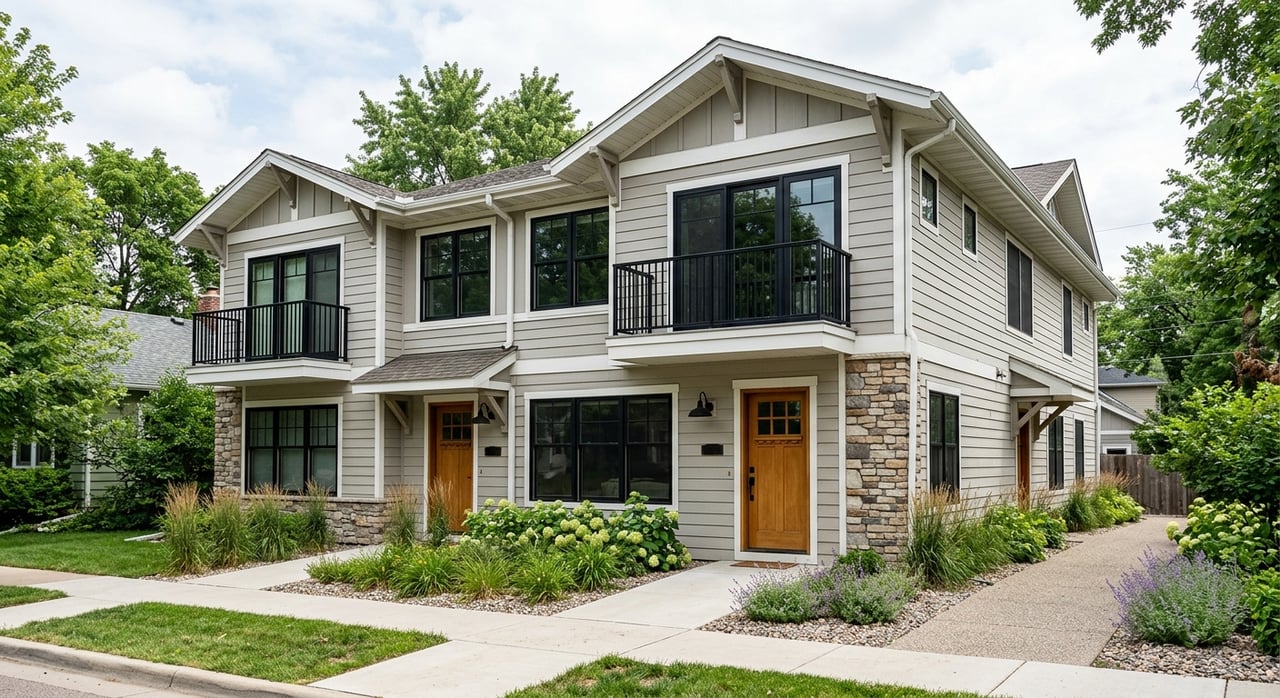
Many in-city neighborhoods feature early 20th-century bungalows, brick rowhouses, and tree-lined blocks. You’ll also see modern infill and renovated homes. In locally designated historic districts, design changes must follow city guidelines. If you’re considering a home in one of these areas, review the city’s Landmark Preservation guidelines. Older homes may require updates to electrical, plumbing, windows, and insulation. Budget for inspections and near-term improvements.
Suburban options
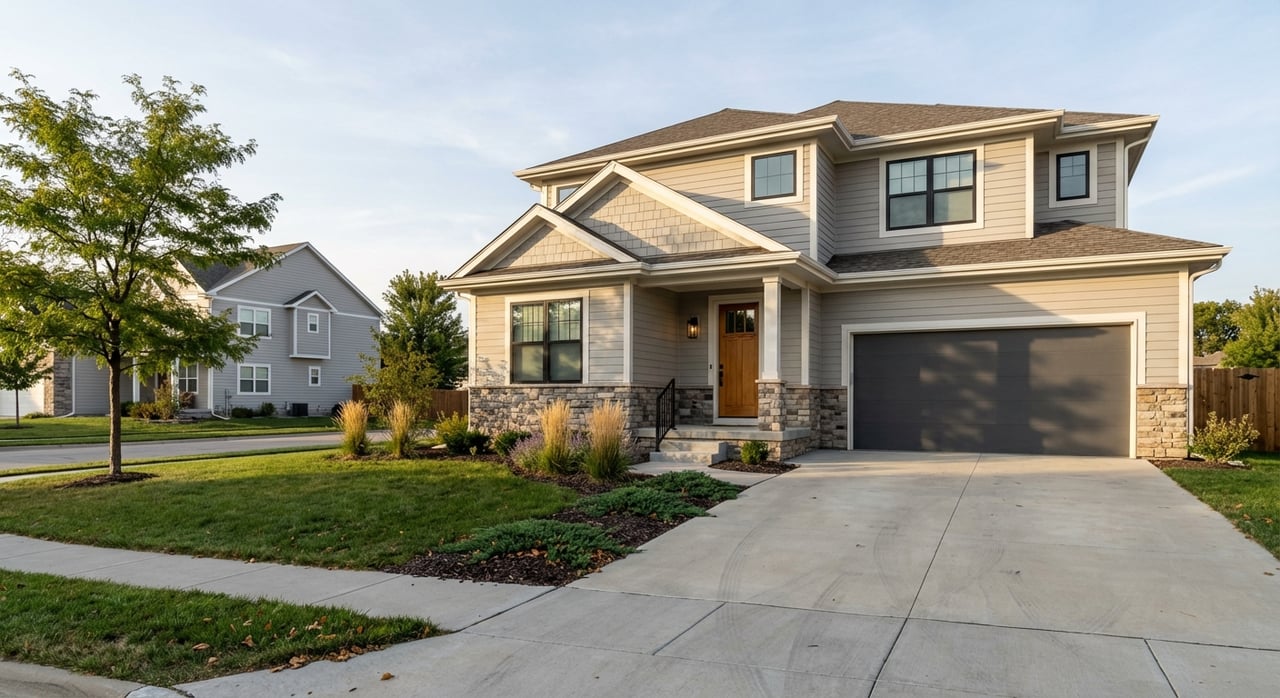
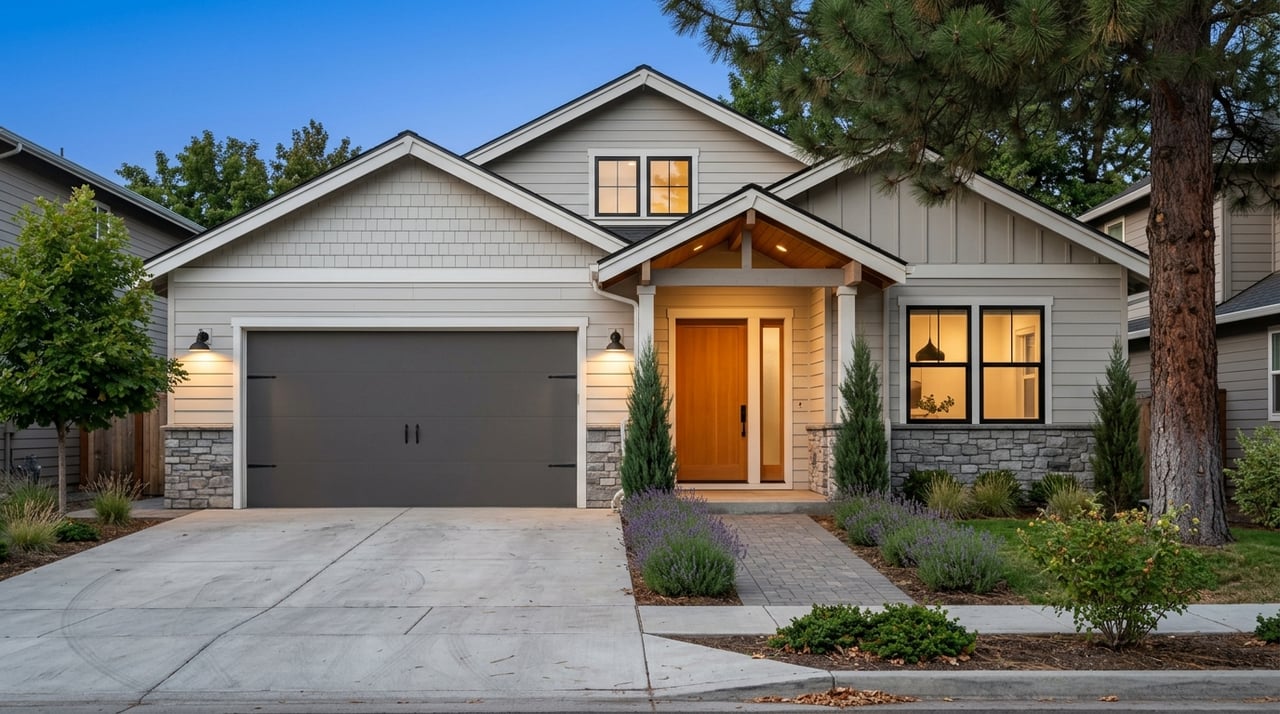
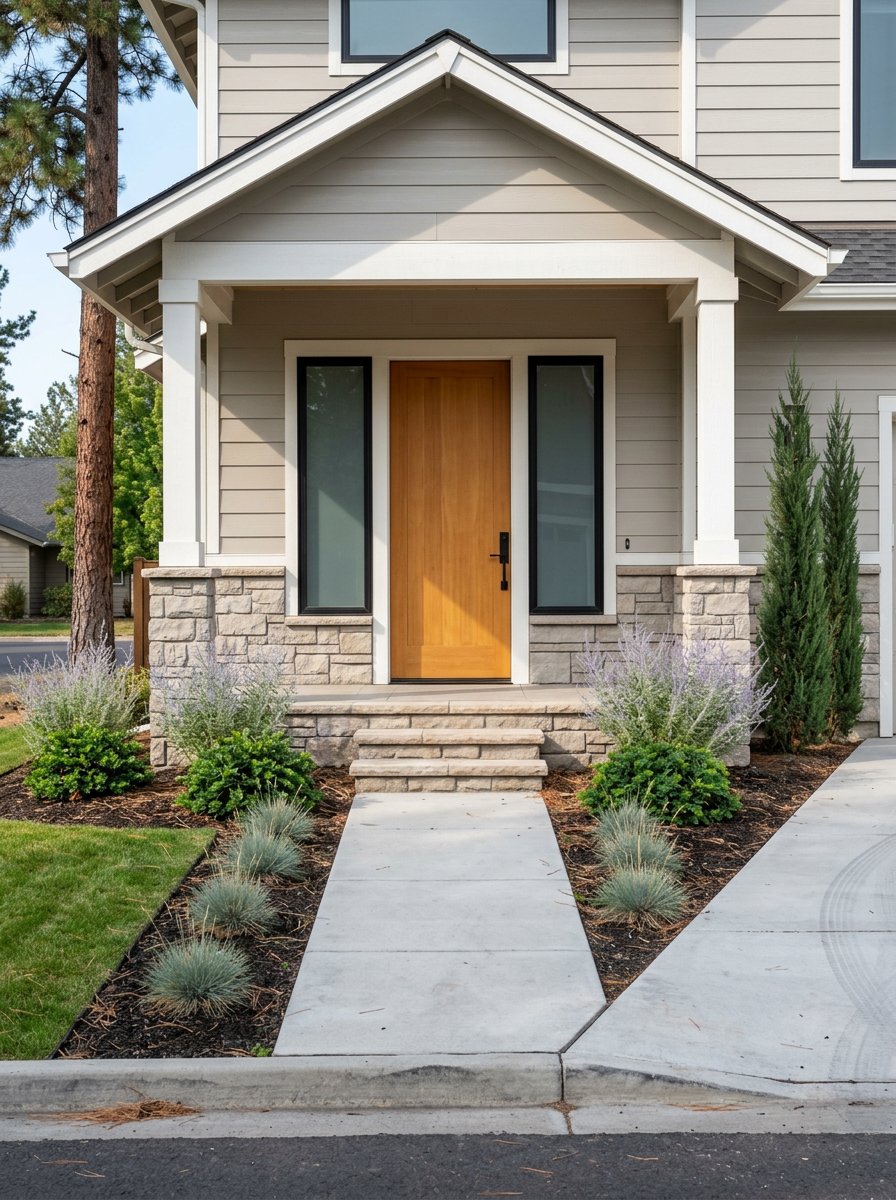
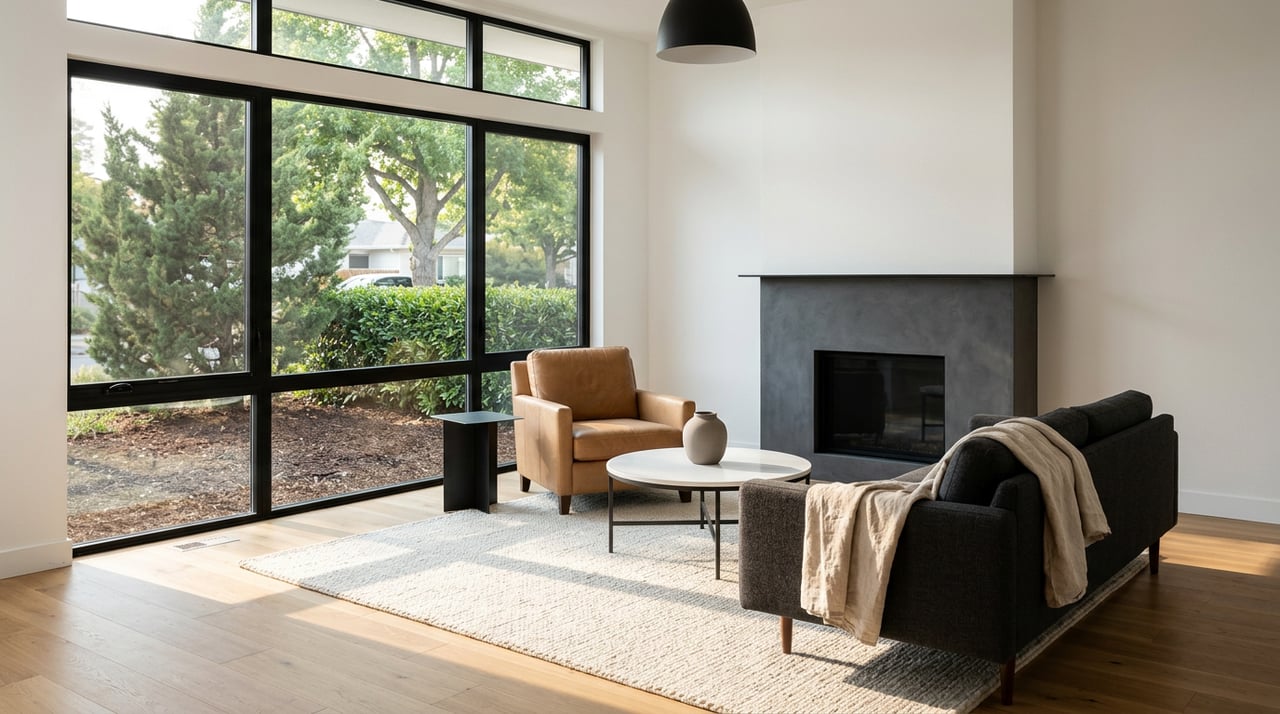
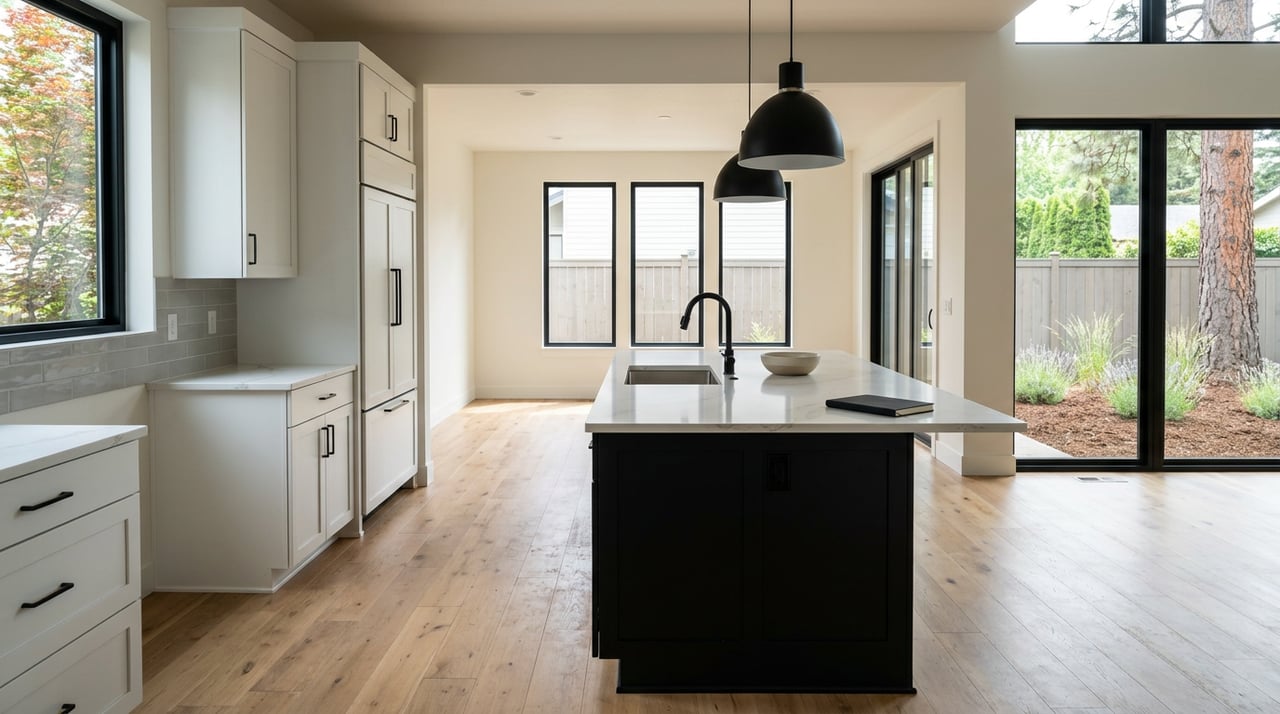
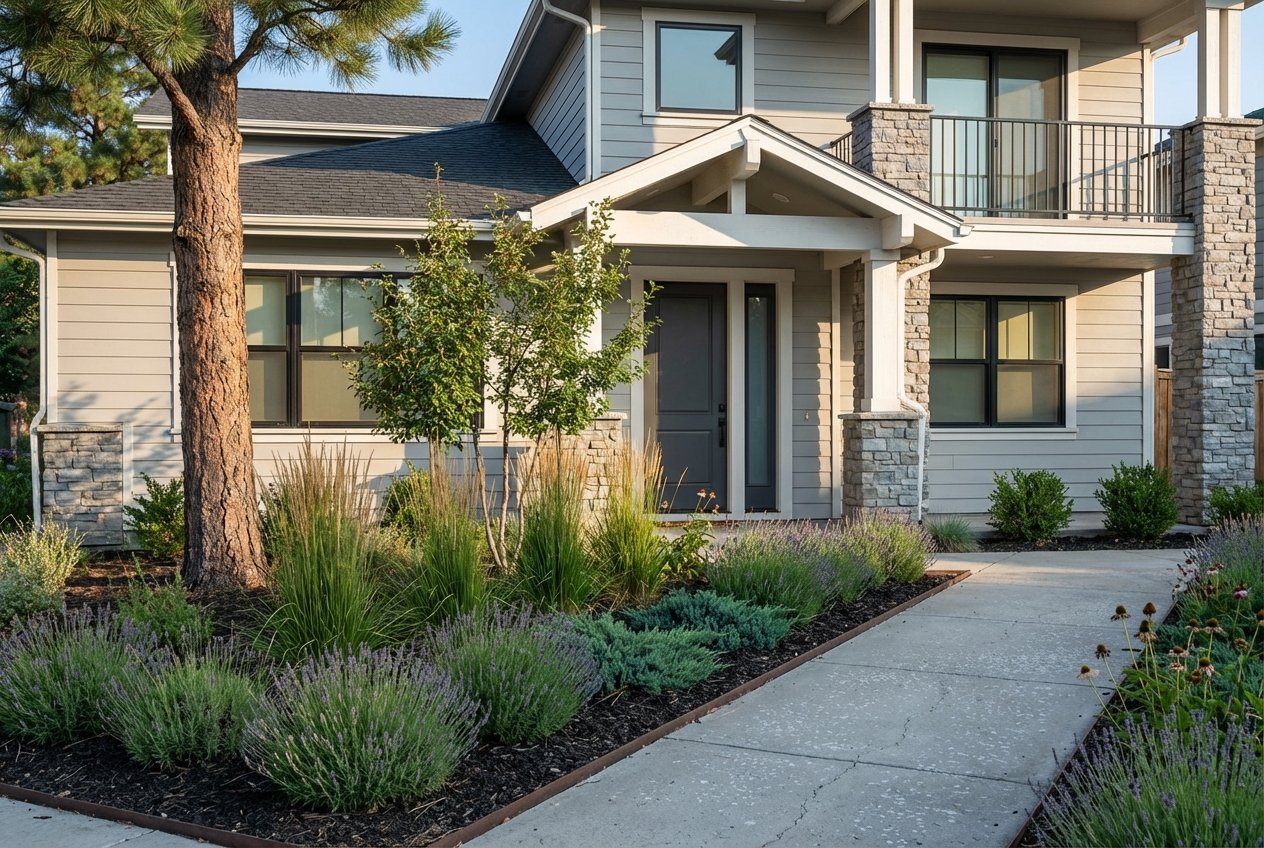
Suburbs often offer newer floor plans, larger average square footage, and bigger private yards. Many master-planned communities include trail networks, recreation centers, and HOA-managed amenities. The trade-off can include HOA fees and more exterior upkeep. If you want open-concept layouts, energy efficiency, and attached garages, recent suburban construction is a strong match.
Parks, walkability, and lifestyle
Lifestyle can be the tie-breaker when both city and suburbs look good on paper.
- Parks: Denver Parks & Recreation manages more than 280 urban parks, several mountain parks, and dozens of recreation centers, which helps families access playgrounds and fields close to home. Explore the system through Denver Parks & Recreation.
- Walkability: City neighborhoods typically score higher for walkability and transit access than many suburbs. To compare areas, scan the city and neighborhood pages on Walk Score.
- Culture and services: Central Denver places you near museums, theaters, sports venues, and a dense restaurant and retail scene. Suburbs often center around community rec programs, regional shopping, and local festivals.
Neighborhood and suburb examples to explore
Use this list as a starting point, then layer in your commute, school, and budget needs.
- Central Denver: Washington Park, Platt Park, Park Hill, Capitol Hill, Baker, and the LoDo/Union Station area offer strong park access and a mix of historic homes and condos near downtown jobs and dining.
- Highlands Ranch: A master-planned community known for extensive trails and recreation centers, newer housing, and suburban amenities.
- Parker: A growth hub with a suburban feel, larger yards, and access to southeast metro employment corridors.
- Aurora: A broad housing mix with some more affordable options and several areas with direct transit connections.
- Lakewood and Edgewater: A mix of older homes and newer infill, with quick access to the foothills and west-side job centers.
- Southeast corridor suburbs: Cherry Creek, Greenwood Village, and Centennial combine premium shopping, varied housing, and access to Cherry Creek School District.
A simple decision framework
Use this checklist to move from browsing to clarity.
- Priorities: Rank what matters most: schools, commute time, square footage, yard size, walkability, or access to culture.
- Commute test: Drive or ride during peak times. Note door-to-door time and reliability.
- School check: Confirm boundaries and review recent performance on the CDE’s SchoolView. Ask about magnets or charters.
- Home and lot: Compare price per square foot and lot size for similar listings in the city and your target suburbs. Add any HOA fees and maintenance.
- Lifestyle fit: Visit on weeknights and weekends. Walk to parks, groceries, and coffee. Check rec center access through Denver Parks & Recreation or your target suburb’s parks department.
Sample buyer profiles
- School-first up-sizer: Likely to prioritize suburbs served by Cherry Creek or Douglas County. Accept a longer commute for larger homes and established district performance.
- Commute-minimizer: Chooses central Denver or close-in suburbs with direct transit and short drives. Accepts smaller lots for time back each day.
- Value and space seeker: Looks to outer suburbs like Parker or parts of Lakewood to maximize square footage and yard size, with a plan for a longer drive.
Make your move with clarity
You do not have to choose between space and lifestyle blindly. With current data, a clear checklist, and on-the-ground tours, you can make a confident decision about Denver city living versus the suburbs. If you want help comparing neighborhoods, testing commutes, or pricing trade-offs, connect with a local advisor who combines market data and negotiation strategy to protect your outcomes.
Ready to talk through your goals and map the best path? Book a consultation with Ryan Haarer to get started.
FAQs
What are the biggest cost differences between Denver and its suburbs?
- Central Denver’s median sale price recently hovered around the mid-$500Ks, while suburbs range widely, from more affordable areas like Aurora to higher-priced master-planned communities such as Highlands Ranch and Parker.
How long is the average commute if I live in the city versus the suburbs?
- The mean one-way commute for Denver is roughly 25 minutes, while many suburbs are in the mid‑20s to upper‑20s, but your exact time depends on job location and peak travel patterns.
How do I compare schools across districts when shopping for a home?
- Start with district boundary maps and the Colorado Department of Education’s SchoolView for recent performance and graduation data, then confirm any magnets or charters and their admissions timelines.
Will I get a bigger yard in the suburbs than in Denver?
- Typically yes. Suburban homes often have larger lots and newer floor plans, while central Denver offers smaller yards but greater walkability and closer access to culture and dining.
Are historic Denver homes harder to maintain?
- Older homes can need updates to systems like electrical, plumbing, and insulation. If you love historic character, plan for thorough inspections and a maintenance budget.
Is transit access better in the city than in the suburbs?
- Generally yes. Central neighborhoods have denser bus and rail coverage, while many suburbs rely more on driving, though some offer commuter rail or park-and-ride options.