
LoHi vs RiNo Denver: Find Your Ideal Urban Neighborhood
February 5, 2026
February 5, 2026
What feels more like you on a Saturday morning: a quiet stroll past tree-lined blocks with a coffee in hand, or a walk through mural-lined streets toward a buzzing food hall? If you are choosing between Denver’s LoHi and RiNo, you are really choosing between two distinct urban lifestyles that both sit close to downtown. This guide breaks down the vibe, architecture, walkability, dining and nightlife, housing options, and key buying considerations so you can decide with confidence. Let’s dive in.
In LoHi, you might start the day on a shaded residential street, then head to a boutique café before walking to a rooftop lunch with city views. The pace feels relaxed and residential, with a refined restaurant scene woven into the neighborhood blocks.
In RiNo, your morning might begin in an industrial-chic coffee shop inside a converted warehouse, then continue past galleries and murals. The energy picks up fast, with breweries, food halls, and creative studios blending into a full calendar of events and nightlife.
LoHi offers a quieter, upscale neighborhood atmosphere. You will find a high concentration of boutique dining, rooftop patios, wine bars, and local cafés. Residential blocks feel intimate and neighborly, and activity stays steady throughout the day and evening.
RiNo delivers an energetic, creative pulse. It has a well-known arts scene, with galleries, studios, and large-scale murals, alongside breweries and music or event venues. Expect more late-night activity and event-driven crowds, with weekdays mixing creative workspaces and nightlife.
LoHi blends 19th- and early-20th-century single-family homes with new infill. You will see renovated Victorians, bungalows, and townhomes, plus boutique low-rise condos. Smaller lots and narrower streets create a cohesive residential feel, and many homes retain historic details. Newer infill often adds rooftop decks and small outdoor spaces.
What this means for you:
RiNo showcases warehouse conversions, loft-style condos with brick and concrete, and modern mid- to high-rise buildings. Many spaces feature exposed structure, large windows, and an industrial aesthetic. Large former industrial parcels have also enabled new mixed-use projects with amenity-rich residences.
What this means for you:
Both neighborhoods rank high for walkability in the Denver area. LoHi’s tighter street grid makes daily errands and café hopping easy. RiNo’s main corridors are very walkable, though some blocks are larger as part of its redevelopment pattern.
Transit access is strong in both. You are close to downtown bus and rail connections, with quick access to major corridors. Commuting to central business districts is typically straightforward from both neighborhoods.
For biking, both offer connections to multi-use trails, including routes along the South Platte River. RiNo’s street design in some areas includes wider rights-of-way and newer protected lanes as projects complete, while LoHi offers steady connectivity to bike routes leading into downtown and nearby neighborhoods.
LoHi leans curated and upscale. You will find destination restaurants, intimate wine bars, and rooftop patios with skyline views. The scene feels polished and convenient for a date night or a special weekend dinner, while still maintaining a neighborhood tone.
RiNo brings breadth and buzz. Expect a spectrum of options: galleries, tasting rooms, brewery clusters, food halls, pop-up events, and music venues. Price points vary widely, and the format ranges from casual taprooms to large-scale restaurants and entertainment spaces. The arts presence is a defining feature, with regular murals, galleries, and art walks.
LoHi often carries a higher price per square foot for single-family homes and small townhome product. Inventory is limited for those property types, which can drive competition. RiNo continues to grow, with both high-end new construction and some smaller condos that may serve as entry points. Availability can be better in larger condo developments, while unique lofts and top-tier new builds still see strong demand.
Historic LoHi homes may require more maintenance, upgrades, or careful renovation choices. In RiNo, warehouse conversions can have older building systems behind the modern finishes. Newer condo buildings in RiNo often offer amenities, but you should review HOA budgets, reserve studies, and any special assessments.
Amenity buildings typically carry HOA fees that reflect services and shared spaces. If you are buying in a mixed-use or adaptive reuse building, there can be specific underwriting requirements. Work with a lender who has experience with Denver’s urban condos and loft conversions. This helps make sure the building’s documents, commercial components, and occupancy mix align with lending guidelines.
RiNo’s transformation continues. Expect additional mixed-use projects, public realm improvements, and ongoing infill. That means blocks can change quickly, so consider the trajectory of nearby parcels. LoHi’s growth is more incremental due to smaller lots, preservation concerns, and design guidelines. You will likely see townhomes and boutique condos rather than large new complexes.
Pick LoHi if you prefer:
Choose RiNo if you want:
When you are ready, pair neighborhood tours with a clear offer strategy. That combination helps you move quickly on the right listing without overpaying.
Ready to compare homes side by side and map your ideal blocks? Connect with Ryan Haarer to plan tours, discuss strategy, and make a confident move.
Stay up to date on the latest real estate trends.
From major residential projects and infrastructure upgrades to new dining and retail, a comprehensive look at what’s changing across the Denver metro this fall

Five Denver metro neighborhoods positioned for long-term appreciation, and what it takes to protect that return after you own the home
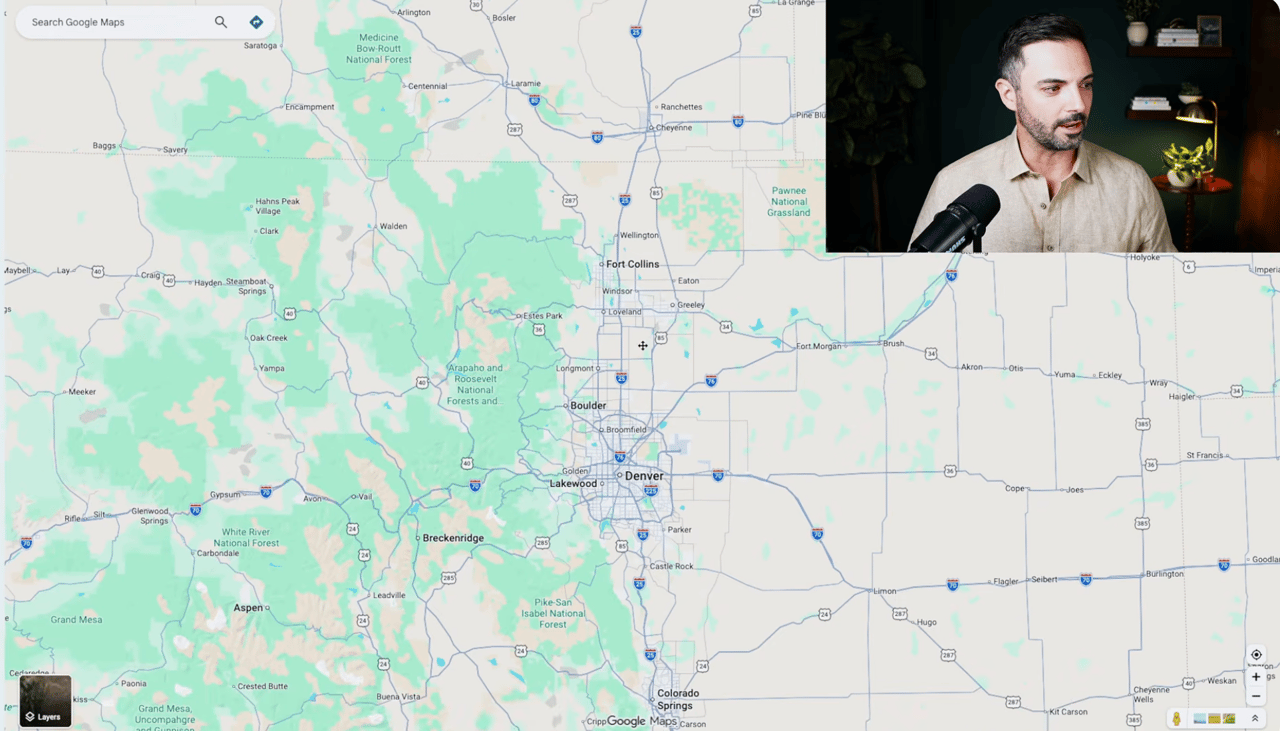
A region-by-region breakdown of the Denver metro area, from the urban core to the far suburbs, with home prices and lifestyle details for every area
He pays great attention to detail, ensuring his clients make sound, smart real estate choices and investments. Contact him today to discuss all your real estate needs!