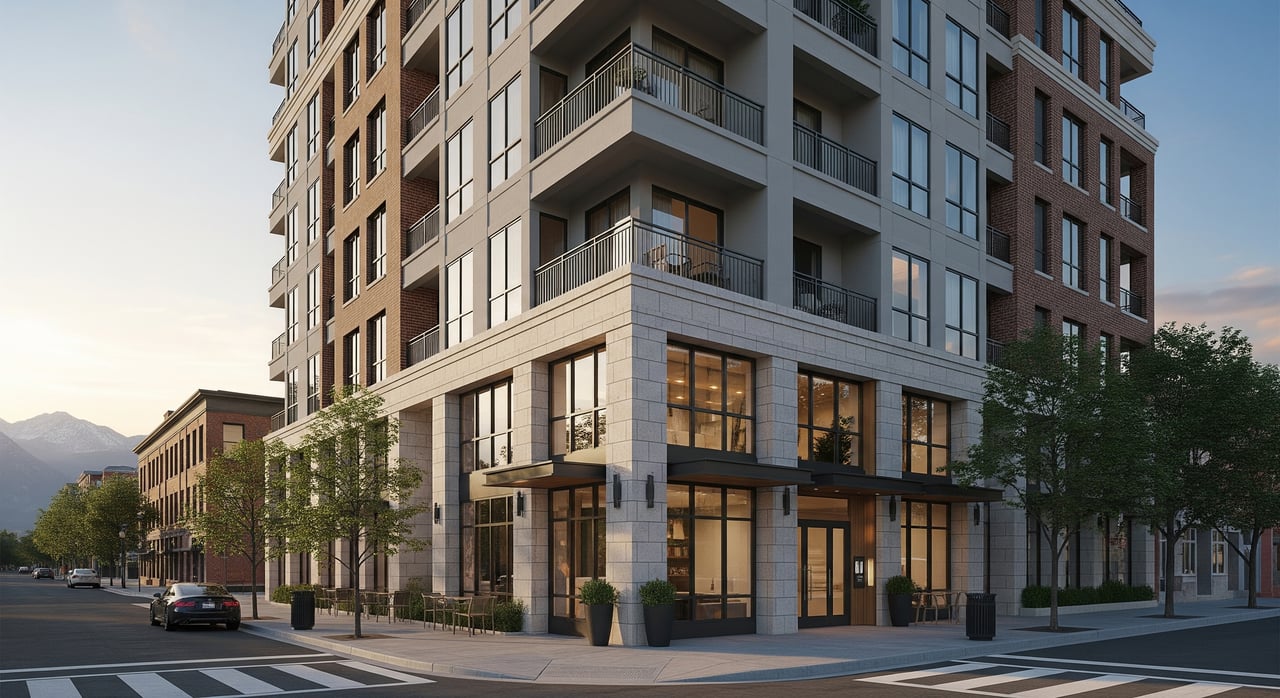
Guide to Denver’s Best Walkable Condo Neighborhoods
February 12, 2026
February 12, 2026
Imagine stepping out your front door and having coffee, groceries, a fitness studio, and a light rail connection all within a few blocks. If you want a car-light lifestyle in Denver, the right condo and the right block can make daily life simpler and more fun. In this guide, you’ll find the most walkable condo corridors, what to expect from buildings and HOA fees, how transit and trails shape your options, and a practical checklist to use on tours. Let’s dive in.
If you want the most connected address, this is it. Union Station is Denver’s core transit hub with light rail, commuter rail to the airport, and regional bus links, plus a lively retail node at the station itself. The 16th Street Mall is a pedestrian corridor with the free MallRide shuttle that ties downtown together. You’ll find high-rise and mid-rise condos, from luxury towers to historic loft conversions, with prices that vary by age, views, and amenities.
LoHi offers a strong mix of restaurants, bars, and boutique retail, and you can reach downtown or Riverfront by foot or bike. Bus routes and bike lanes support easy trips, and Sloan’s Lake adds green space close by. Condo options include low- to mid-rise buildings and townhome-style condos, plus newer mid-rises with rooftop decks. It suits buyers who want nightlife and parks without the full downtown feel.
Cherry Creek is Denver’s premier shopping and dining district, with galleries, boutique stores, and regular neighborhood events anchored by the Cherry Creek North district. The Cherry Creek Trail connects you by bike to downtown and beyond, and bus service is straightforward for commuters. Expect luxury high-rises and boutique mid-rises with higher price points and refined finishes, ideal if you want upscale retail and dining within a short walk.
RiNo has a fast-growing arts and restaurant scene with breweries, food halls, and galleries highlighted by the RiNo Art District. New pedestrian improvements and bike lanes add to bus coverage, and you can hop onto the South Platte and Cherry Creek trails nearby. Condo stock spans new mid-rises, loft conversions, and live-work units, which appeals to creatives, younger buyers, and investors who like an urban-culture vibe.
These historic, tree-lined neighborhoods place you near museums, cafes, and parks like expansive Cheesman Park and the Denver Botanic Gardens area. Multiple bus routes, connected streets, and a neighborhood feel make car-light living realistic. You’ll see historic apartment conversions, boutique mid-rises, and rowhouse-style condos with generally mid-range pricing relative to downtown.
South Broadway brings independent shops, coffee, breweries, and music venues, with pockets that are very pedestrian-friendly. Condo choices include smaller buildings, older stock, and infill townhomes that can offer a lower entry point than downtown and Cherry Creek. It’s a good fit if you value local retail and an eclectic vibe within a walkable footprint.
Quick note: Washington Park, Congress Park, and the Highlands north of LoHi are less dense but still walkable around their local centers. If you want easy access to larger parks while staying near neighborhood cafes, they are worth a look.
Always review what dues include, such as utilities, building insurance, reserves, staffing, and amenity maintenance.
Colorado’s condominium associations operate under state law often referred to as the Colorado Common Interest Ownership Act. Associations and owners have specific disclosure duties, so take time to review documents and ask questions. In Denver, short-term rental use requires city registration, and many HOAs have stricter rules than the city. Always confirm the building’s policy and review the city’s short-term rental rules.
Use this quick checklist during tours and neighborhood walks:
Denver’s most walkable condo corridors each offer a different rhythm, from Union Station’s transit edge to Cherry Creek’s boutique comforts. The best fit comes from pairing on-the-ground tours with careful HOA review and a strategy for offers and contingencies. If you want help comparing buildings, interpreting HOA documents, and crafting a competitive plan, reach out. Ryan Haarer provides consultative buyer representation, data-backed guidance, and video walk-throughs to help you move with confidence.
Stay up to date on the latest real estate trends.

From major residential projects and infrastructure upgrades to new dining and retail, a comprehensive look at what’s changing across the Denver metro this fall

Five Denver metro neighborhoods positioned for long-term appreciation, and what it takes to protect that return after you own the home

A region-by-region breakdown of the Denver metro area, from the urban core to the far suburbs, with home prices and lifestyle details for every area
He pays great attention to detail, ensuring his clients make sound, smart real estate choices and investments. Contact him today to discuss all your real estate needs!