
Denver Condo HOA Guide for Smart Condo Buyers
February 26, 2026
February 26, 2026
Buying a condo in Denver can feel simple until the HOA questions hit. What exactly do your dues cover? How do special assessments happen? And which rules could affect your lifestyle or resale later? You want clarity before you commit. In this guide, you’ll learn how Denver condo HOAs work, what to watch in the documents, and how to spot red flags early so you can buy with confidence. Let’s dive in.
Colorado condo communities run under the Colorado Common Interest Ownership Act, or CCIOA. It sets how associations operate, what they can charge, and what they must disclose to owners and buyers. If you are new to HOAs, start with this plain‑English overview of CCIOA’s core rules.
The state has updated HOA laws in recent years to strengthen consumer protections and clarify processes. The Colorado Division of Real Estate’s 2024 legislative summary outlines new notice and collection rules that affect how HOAs handle unpaid assessments and payment plans. These updates help you understand timelines and your options if the unexpected happens after you buy.
Monthly dues vary by building, size, and amenities, but many older low‑rise Denver condos land in the mid‑hundreds per month. High‑amenity towers often cost more. Always check the budget to see exactly what is included.
Typical line items include:
The association’s governing documents and annual budget spell this out in detail. Ask for the resale packet and rules from the manager or seller, and verify coverage against the standard HOA document set.
Reserves are your safety net. A professional reserve study estimates the cost and timing of big components like roofs, elevators, paving, and mechanical systems. Many reserve professionals use a simple guide for the “percent funded” metric: roughly 70 percent or more is considered strong, 30 to 70 percent is fair, and below 30 percent is weak and higher risk. Learn what this number means on this reserve funding guide.
If the HOA does not have enough in reserves when a major project hits, the board can levy a special assessment. Colorado rules require notice and transparency around assessments and collections, and owners should see the history in meeting minutes. You can read how assessments and delinquencies are handled in the Division of Real Estate’s guidance on assessments and delinquency practices.
The key for you is to confirm the reserve study date, the current reserve balance, and the percent funded. If the packet lacks a recent study, plan for more risk.
Short‑term rentals: In Denver, you need a city short‑term rental license, and it is generally limited to your primary residence. Even if you qualify, your building may prohibit short‑term rentals in its covenants. If renting your unit on platforms like Airbnb is important to you, verify both the city license rules and your HOA’s documents. Start with the city’s short‑term rental FAQ.
Pets, noise, parking, and amenities: Pet rules, quiet hours, parking assignments, and amenity policies live in the CC&Rs and house rules. Some buildings keep dues lower by limiting amenities, while full‑service buildings charge more to maintain gyms, pools, rooftops, and elevators. Read the actual rules, not just the listing notes, and request the full set of governing documents and rules.
Insurance: The master insurance policy protects the building, but deductibles and coverage vary. Lenders and the secondary market review master policy adequacy when they evaluate a project. If the deductible is very high or certain hazards are excluded, owners can face larger out‑of‑pocket costs after a loss.
Conventional lenders review the whole condo project, not just your unit. That project review covers owner‑occupancy levels, reserve funding, litigation, insurance, and dues delinquencies. If too many units are investor‑owned, if reserves are weak, or if more than about 15 percent of units are 60 days past due on dues, underwriting gets tougher and you may face limited loan options.
You can see how lenders evaluate condos in Fannie Mae’s project review standards. The takeaway is simple: check with your lender early and share the condo questionnaire, budget, and reserve study as soon as you are under contract.
Request these items on day one of your contract so you have time to review and object if needed:
A proactive agent makes the difference. Here is how the process should look:
The right Denver condo can deliver a great lifestyle, but the HOA is part of the purchase. When you understand dues, reserves, rules, and lender impacts, you can compare buildings with confidence and avoid surprise costs. If you want a calm, clear process, reach out for guidance tailored to your target buildings and budget.
Ready to shop Denver condos with a plan? Connect with Ryan Haarer to review HOA documents, compare projects, and craft a winning offer strategy.
Stay up to date on the latest real estate trends.



From major residential projects and infrastructure upgrades to new dining and retail, a comprehensive look at what’s changing across the Denver metro this fall



Five Denver metro neighborhoods positioned for long-term appreciation, and what it takes to protect that return after you own the home
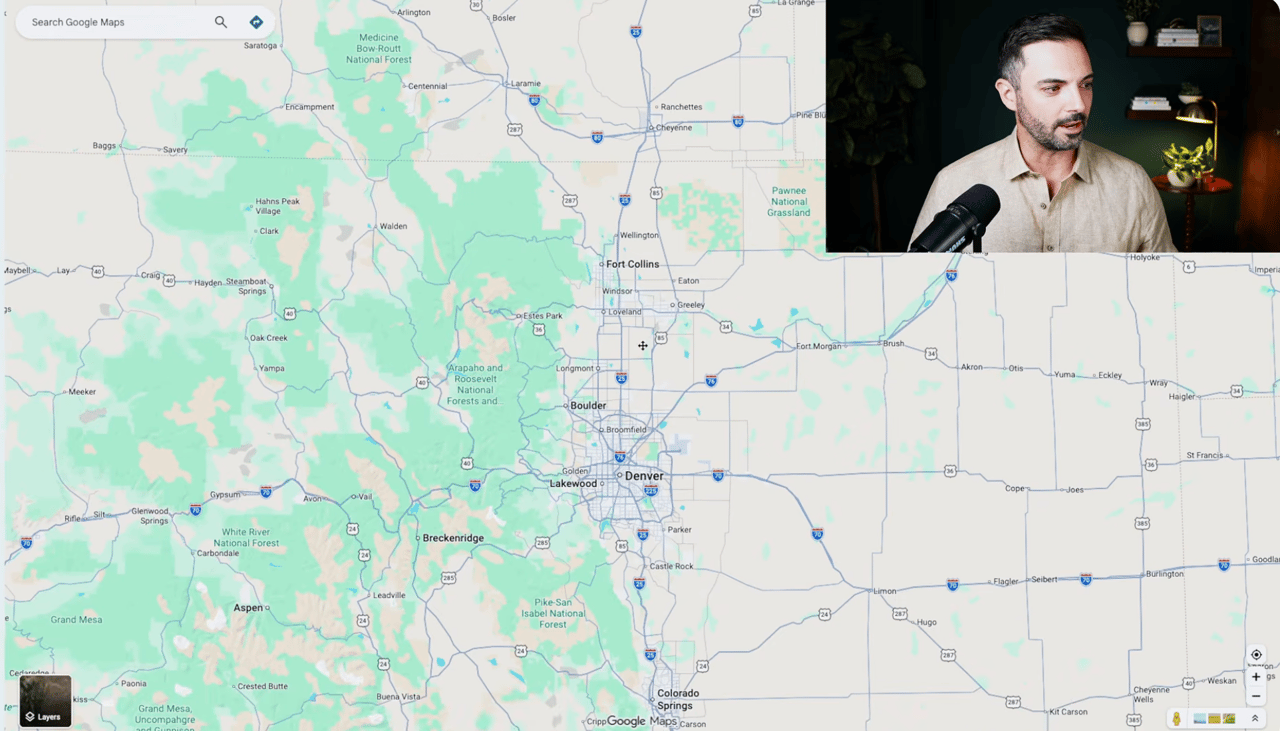
A region-by-region breakdown of the Denver metro area, from the urban core to the far suburbs, with home prices and lifestyle details for every area
He pays great attention to detail, ensuring his clients make sound, smart real estate choices and investments. Contact him today to discuss all your real estate needs!