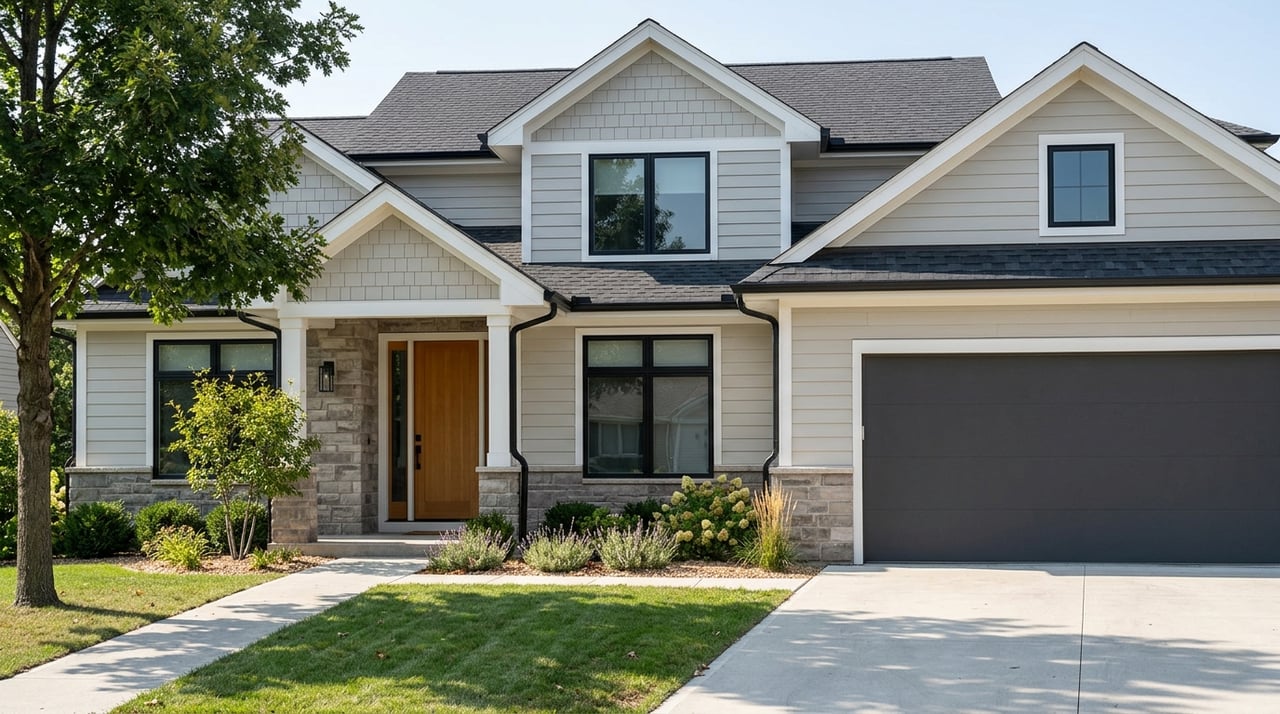
Understanding the Denver Luxury Housing Market in 2026
May 21, 2026
May 21, 2026
Luxury means different things depending on where you look in Denver, and that is exactly why this market can feel confusing. If you are buying or selling at the higher end, you need more than a headline about whether the market is hot or cooling. You need a clear picture of how price range, property type, and buyer expectations are shaping real decisions right now. Let’s dive in.
In Denver, luxury is not one single price point. A common working threshold is $1 million and up, but that only tells part of the story. In March 2026, Redfin’s top-5%-of-the-market definition put Denver’s median luxury sale price at $1,941,151, which shows how broad the luxury category can be.
That is why it helps to think in smaller bands instead of one big bucket. In practical terms, the Denver luxury market is often easier to understand when you break it into $1M to $1.49M, $1.5M to $1.9M, and $2M+. Those bands can behave very differently depending on inventory, buyer demand, and the type of home.
Property type matters just as much as price. A detached home and an attached home at the same price point are not competing in the same way, and that difference is especially important in today’s market.
The broader Denver metro market is relatively steady. In April 2026, REcolorado reported 6,642 new listings, 4,326 pending listings, 4,018 closed listings, and a median closed price of $600,000. DMAR reported a similar median closed price of $605,000, with 14 median days in MLS and a 99.44% close-to-list ratio.
Luxury moves differently from the broader market. In the $1M+ segment, inventory, negotiation, and time on market vary more sharply by price band and by whether the home is detached or attached. That means broad market headlines can be helpful for context, but they are not enough for a luxury strategy.
For example, detached homes priced from $1M to $1.49M had 2.56 months of inventory in March 2026. Detached homes above $2M had 5.64 months of inventory. That gap matters because it shapes how aggressively you should price, how much leverage a buyer may have, and how long a sale may take.
This is one of the biggest stories in Denver’s high-end market right now. Detached luxury homes are generally holding firmer than attached luxury properties, especially in the lower luxury bands.
In April 2026, only detached homes above $2 million had more than four months of inventory. By contrast, every attached $1M+ band had at least 5.5 months of inventory, which points to a much more negotiable environment for high-end condos, townhomes, and similar attached properties.
If you are a buyer, that can create opportunity in the attached segment. If you are a seller, it means you need to be precise about where your home fits and what nearby competing listings are doing. A condo priced like a detached home strategy can sit longer than expected.
The luxury market is not frozen, but it is more selective than it was during the frenzy years. DMAR’s April 2026 luxury report showed active $1M+ inventory up 12.95% month over month and 0.95% above the prior year. Median days in MLS rose to 10, up from 8 a year earlier.
A separate March 2026 Redfin luxury read also points to a slower pace. That report showed active luxury listings up 4.5%, pending sales down 3.1%, homes sold down 4.7%, and median days on market at 44. The takeaway is simple: luxury buyers are still active, but they are taking more time and making more comparisons.
Year-to-date, DMAR reported that homes in the full $1M+ segment averaged 62 days in MLS, with a median of 21 days. The same report noted that the average sale price for homes above $1M in 2025 reached $1.64 million, the highest average recorded in at least five years.
Today’s luxury buyer is looking closely at value, condition, and overall fit. DMAR noted in early 2026 that competitively priced homes in prime locations and strong condition could still attract multiple offers. At the same time, overpriced or dated properties tended to stay on the market longer.
That means move-in-ready presentation matters. Buyers at this level are often comparing not just finishes and layout, but also the time, money, and effort required after closing. Homes that feel polished and well-positioned tend to stand out.
Operating costs matter too. DMAR commentary pointed to insurance premiums, HOA fees, repair costs, and energy efficiency as important factors in buyer interest and qualification, especially in attached luxury. In other words, a high-end home is not judged on purchase price alone.
At the highest end of the market, privacy still matters. DMAR highlighted recent cash and off-market closings in places such as Cherry Hills Village, Denver Country Club, and Englewood, which reflects a segment where discretion and private deal flow can still play a role.
If you are selling a luxury home in Denver, pricing discipline matters more than nostalgia. DMAR has been clear that the 2022 peak is long gone, and aspirational pricing can work against you. The longer a home sits, the more buyers begin to question the price and the property.
That does not mean you cannot aim high. It means your strategy should start with current comparable behavior, not old peak-market assumptions. In this market, overpricing can cost you leverage, momentum, and attention.
Presentation is just as important as pricing. DMAR’s reporting supports a strategy focused on targeted pre-listing improvements, staging, and polished presentation rather than automatically taking on a major remodel. Lower-cost updates often make more sense than expensive additions when your goal is resale.
For many luxury sellers, the winning formula today looks like this:
That last point matters. Longer marketing times are more normal now, especially in attached luxury and in detached homes above $2M.
If you are buying in Denver’s luxury market, the biggest advantage is choice. More inventory in parts of the high-end segment means you may have room to negotiate, especially when a home has been sitting or when the attached inventory pool is deeper.
Still, not every luxury listing is soft. Entry luxury detached homes can remain competitive when they are well-priced and in strong condition. If a home checks the right boxes, you may still need to move quickly and write a clean, thoughtful offer.
A smart buyer strategy usually includes a few key steps:
Luxury buying is rarely about speed alone. It is about recognizing when a home is priced fairly, when a seller may be flexible, and when your offer structure can help you compete without overpaying.
In a market like this, broad advice can get expensive. Denver luxury is best understood as several smaller markets inside one label. The lower luxury detached tier can still feel competitive, while attached homes and the highest detached bands may lean more balanced or buyer-friendly.
That is where a local, data-driven strategy becomes valuable. Whether you are preparing a listing or narrowing your search, you need to know how your specific segment is moving, what buyers are responding to, and where negotiation room is most likely to appear.
For sellers, that can mean pairing sharp pricing with standout marketing that helps your home earn attention early. For buyers, it means looking beyond list price and understanding the story behind a property’s timing, condition, and competition.
In Denver’s luxury market, the details matter. And right now, those details matter more than the label.
If you are planning a move in Denver and want a clearer strategy for the luxury market, Ryan Haarer can help you evaluate your timing, understand your segment, and build a plan that fits your goals.
Stay up to date on the latest real estate trends.
From major residential projects and infrastructure upgrades to new dining and retail, a comprehensive look at what’s changing across the Denver metro this fall

Five Denver metro neighborhoods positioned for long-term appreciation, and what it takes to protect that return after you own the home

A region-by-region breakdown of the Denver metro area, from the urban core to the far suburbs, with home prices and lifestyle details for every area
He pays great attention to detail, ensuring his clients make sound, smart real estate choices and investments. Contact him today to discuss all your real estate needs!