
Condo Or Townhome In Denver? How To Choose
May 14, 2026
May 14, 2026
Trying to decide between a condo and a townhome in Denver? It sounds simple until you realize two homes that look similar can work very differently once you factor in ownership structure, HOA rules, financing, and monthly costs. If you want a choice that fits your budget, lifestyle, and long-term plans, you need more than curb appeal. Let’s break down what actually matters so you can choose with confidence.
One of the biggest mistakes buyers make is assuming the exterior tells them what they are buying. In Colorado, the legal setup matters more than the look of the home. Under the Colorado Common Interest Ownership Act, a condominium is a common interest community where some parts are owned separately and the rest is commonly owned, while a planned community is a different legal structure created by the recorded declaration.
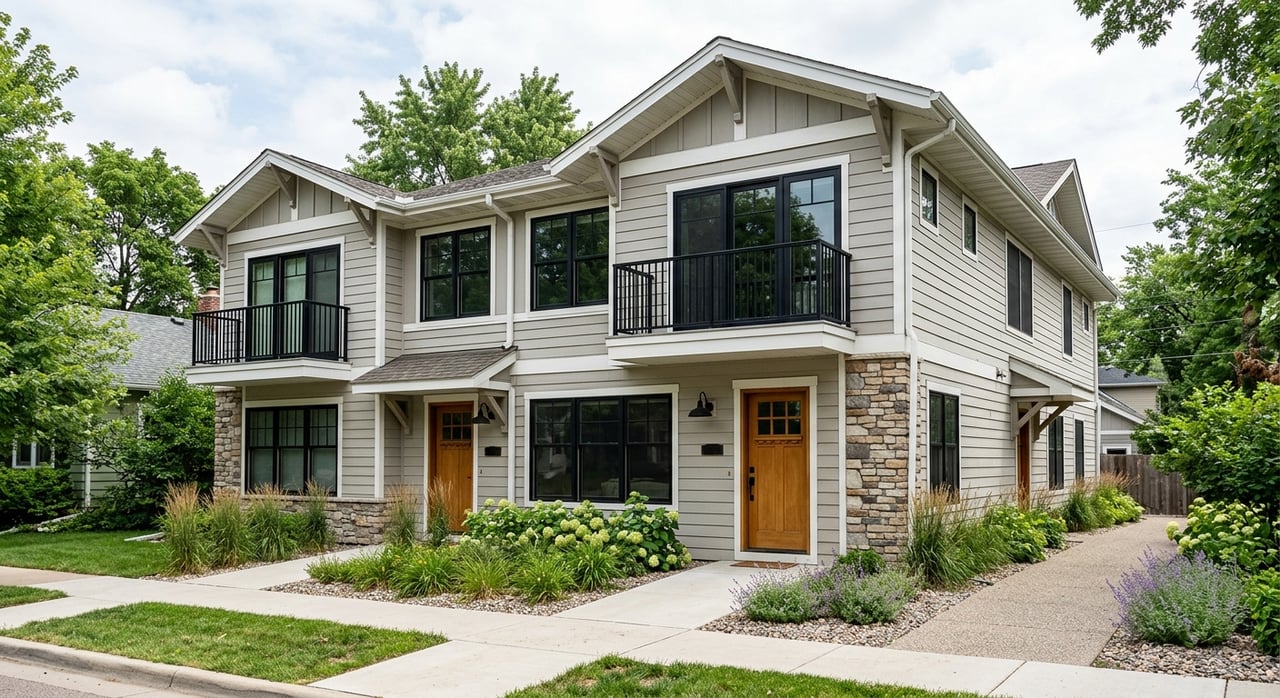
That means a property that looks like a classic townhome may still be legally organized as a condo. A condo can also appear in several forms, including townhouse-style, high-rise, garden-style, or even detached layouts. If you are comparing options in Denver, the declaration and HOA documents will tell you more than the architecture ever will.
In Denver, attached homes come in many shapes and price points, from urban condo buildings to row-style properties with private entrances. Because the visual style can blur the line, you want to confirm exactly what you are buying before you get too attached to a listing. The legal structure can affect your dues, insurance needs, financing path, and future resale.
Before you move forward, ask for or review:
Colorado’s Division of Real Estate notes that buyers under contract are entitled to key association documents through the Colorado residential contract. The same agency also says you may be able to obtain the declaration from the county clerk and recorder before going under contract, which can help you screen a community early.
Once you understand the legal setup, the next step is figuring out how each option will feel in real life. For many Denver buyers, the condo versus townhome decision comes down to maintenance, privacy, and how much shared living they are comfortable with. The right fit depends on your routine as much as your budget.
Condos often appeal to buyers who want lower-maintenance living. Shared spaces and HOA-managed upkeep can mean less personal responsibility for exterior care and common areas. That can be a strong match if you want a more lock-and-leave lifestyle.
Townhome-style homes often feel more like a house because they usually have a separate exterior entrance and share walls only with neighboring units. That can create a little more privacy in day-to-day living, even though HOA rules and shared responsibilities may still apply. If you like a more house-like setup without going fully detached, that difference can matter.
Colorado associations commonly collect regular assessments to cover shared ownership responsibilities. According to the Colorado Division of Real Estate, those dues may help pay for maintenance, landscaping, legal fees, registration fees, insurance, and other operating costs. Special assessments are often used for major repairs, replacements, new construction, unexpected expenses, or reserve funding.
That is why dues should never be treated as a side note. The Consumer Financial Protection Bureau says HOA dues can range from a few hundred dollars a month to more than $1,000 a month. In practical terms, that means two Denver properties with similar list prices can have very different true monthly costs.
Parking deserves close attention in Denver, especially in attached-home communities. Under CCIOA, parking spaces, carports, and garage stalls can be treated as limited common elements allocated to a unit. In simple terms, the way parking is assigned may be spelled out in the declaration or other recorded documents.
Do not assume a spot is deeded or exclusively yours just because it is shown in marketing photos. Verify whether parking is deeded, assigned, exclusive, or shared. If your day depends on easy parking, this one detail can quickly tip the decision toward one property over another.
If you are choosing between a condo and a townhome in Denver, the HOA documents can change your answer fast. A community may look well-kept from the outside, but the documents tell you how the association operates and whether it appears financially stable. That is a key part of smart due diligence.
Colorado’s Division of Real Estate says the governing and financial documents are essential for understanding the HOA. These documents can help you spot whether reserves appear strong, whether there have been special assessments, and whether there are signs of financial stress in the community. That matters because future costs do not always show up in the list price.
As you review documents, focus on questions like these:
The Colorado Division of Real Estate also warns that delinquency can lead to late fees, attorney fees, liens, and even foreclosure on an HOA lien. For a buyer, that is another reason to pay attention to the health of the association, not just the appearance of the property.
Financing is another area where condos and townhomes can differ in important ways. Even if two homes are priced the same, they may not be equally easy to finance. That is especially true when a condo requires project-level review.
Fannie Mae says condo, co-op, and PUD projects must meet project standards, and lenders may review the project’s financial stability, physical condition, litigation, insurance, and marketability. Fannie Mae also notes that condo projects can become ineligible if they have critical repairs, inadequate insurance, significant litigation, or hotel, motel, or short-term-rental characteristics.
If you are considering FHA financing, the project matters too. HUD says FHA will insure condominium loans only in FHA-approved projects or in projects that meet FHA single-unit approval requirements. Approval can depend on insurance coverage, financial condition, title issues, pending legal action, and physical condition.
The Consumer Financial Protection Bureau notes that lenders can sometimes charge slightly more for loans used to buy a condo. That means your monthly payment can differ even when the purchase price does not. When you are comparing a Denver condo with a townhome, it is smart to compare Loan Estimates, not just list prices.
When buyers feel stuck, it usually helps to step back and focus on a few practical questions. You do not need to overcomplicate the choice. You just need to be honest about what works best for your finances and your lifestyle.
A Denver condo may be the better fit if you want lower-maintenance living, are comfortable with shared amenities and common elements, and like the idea of HOA services handling more of the day-to-day work. A townhome may be the better fit if you want a more house-like feel, a separate exterior entrance, and possibly more direct control over parking or outdoor space while still accepting shared-wall living and HOA rules.
Ask yourself:
If you can answer those four questions clearly, your next step usually becomes much easier.
Choosing between a condo and a townhome in Denver is not just about style. It is about ownership structure, monthly costs, HOA health, parking rights, financing, and how you want your daily life to feel. When you look at those factors together, the right choice becomes much clearer.
If you want help comparing attached-home options in Denver, reviewing how a specific property is set up, or narrowing down what fits your goals, Ryan Haarer can help you move forward with a smart, local strategy.
Stay up to date on the latest real estate trends.







He pays great attention to detail, ensuring his clients make sound, smart real estate choices and investments. Contact him today to discuss all your real estate needs!