Thinking about selling your Denver home this winter? You might hear that spring is the only time to list, but winter can be a smart window if you plan well. Buyer traffic is lighter, yet those who are out shopping often have timelines and motivation that lead to real offers. In this guide, you’ll get a clear strategy and step-by-step timeline tailored to Denver’s winter realities so you can list with confidence and keep your equity intact. Let’s dive in.
Why winter can work in Denver
Winter usually brings fewer active buyers, but the ones searching often have job moves, relocations, or life changes that keep them focused. At the same time, Denver often sees fewer listings in colder months, which means you face less competition if your home is priced accurately and shows well. Neighborhood demand can vary across central Denver, suburbs, and foothills, so align your plan with hyperlocal trends.
Weather matters here. Snow, freeze-thaw cycles, and shorter daylight affect curb appeal, inspections, and scheduling. This is not a deal-breaker. It just means you should prepare your home, pricing, and marketing for the season so serious buyers can picture themselves moving in.
Price right for winter demand
Accurate pricing is your biggest lever. Build your strategy around a fresh comparative market analysis that focuses on recent closed sales from the past 30 to 90 days and current competing listings nearby. Sold prices matter more than list prices.
With a smaller buyer pool, slightly more aggressive pricing can help your listing stand out while still protecting value. Be ready to discuss appraisal risk with your agent since seasonal softening can lead to tighter appraisals. You can support your price with strong comps and a clean presentation.
Prep your home for winter showings
A warm, bright, and safe home experience helps buyers linger and connect. Focus on these winter-specific details.
Exterior and curb appeal in snow
- Clear snow and ice from walkways, steps, and driveways before photos and every showing.
- Keep a container of ice-melt near the entry for fast touch-ups.
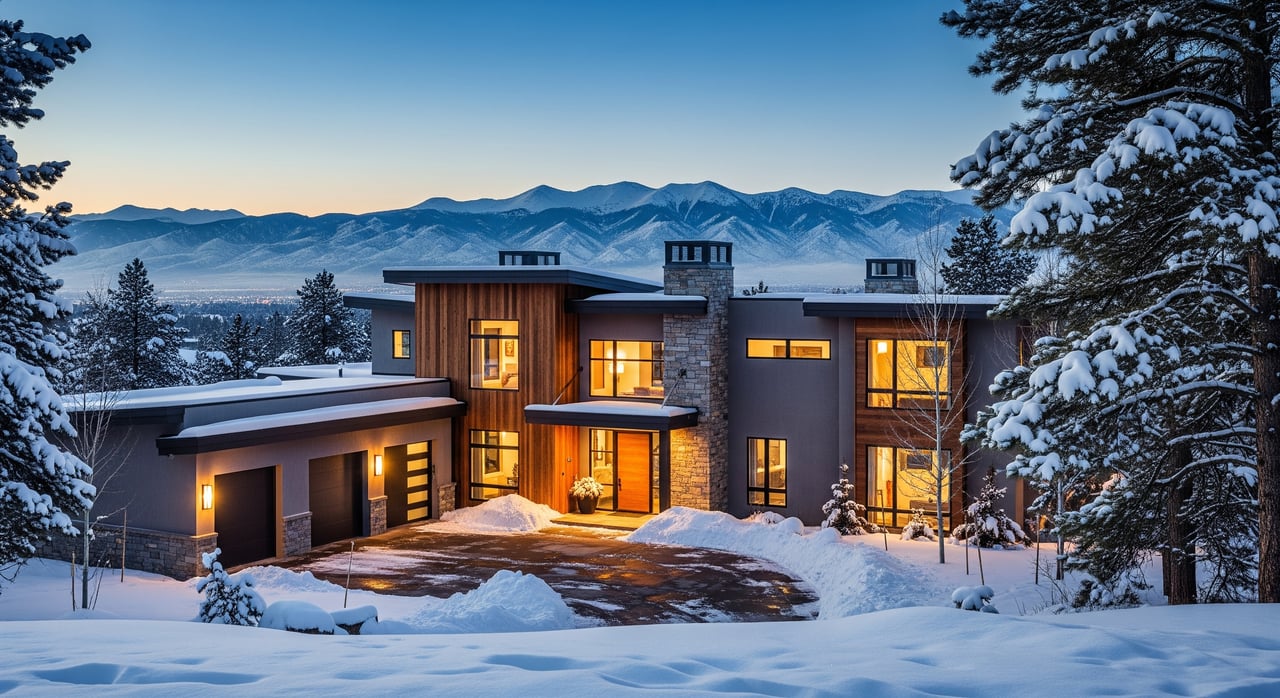
- Schedule exterior photos for a clear, sunny window. If snow remains, clear areas in front so landscaping and features are visible.
- Check exterior lights and replace bulbs. Earlier sunsets make pathway and entry lighting essential.
Interior warmth and lighting
- Set a comfortable temperature for showings and keep the heat consistent.
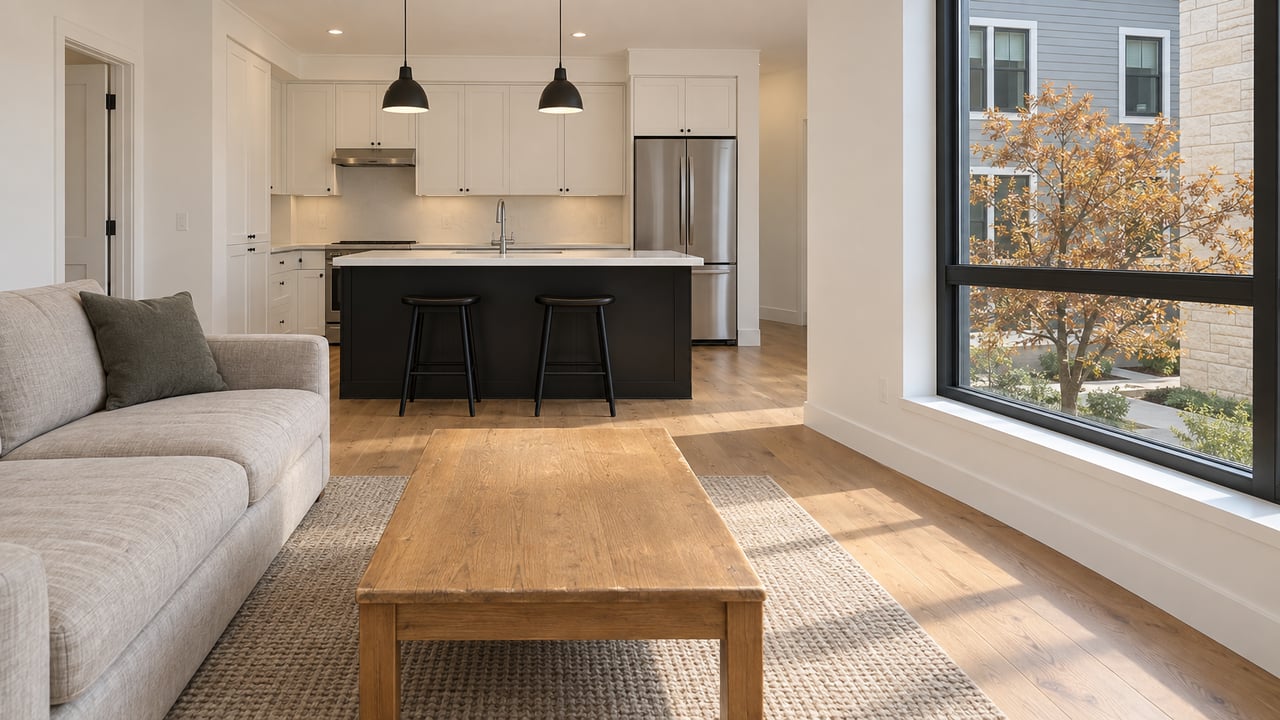
- Layer lighting with overheads, lamps, and under-cabinet options. Winter light is dimmer, so bright rooms feel more inviting.
- Use neutral, warm textiles to create a cozy feel without clutter.
Staging that sells the season
- Keep décor minimal so buyers focus on space and features, not holiday themes.
- Remove excess furniture to open sightlines and show room size.
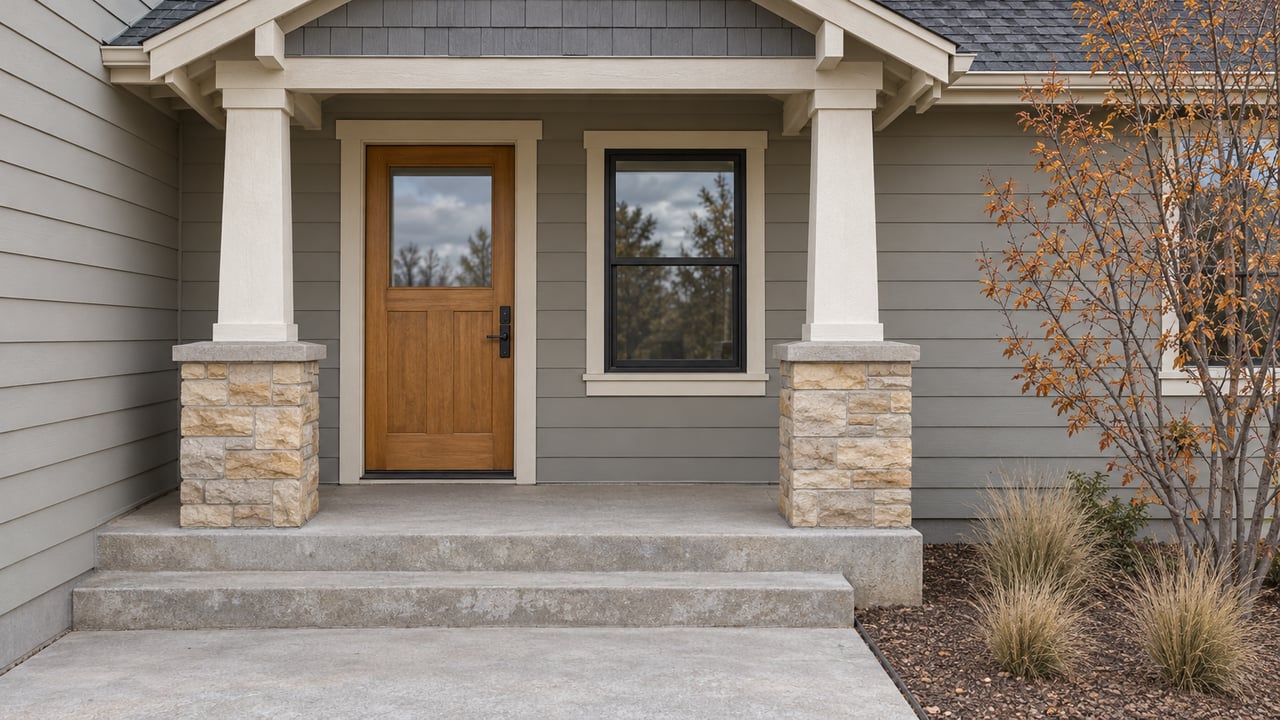
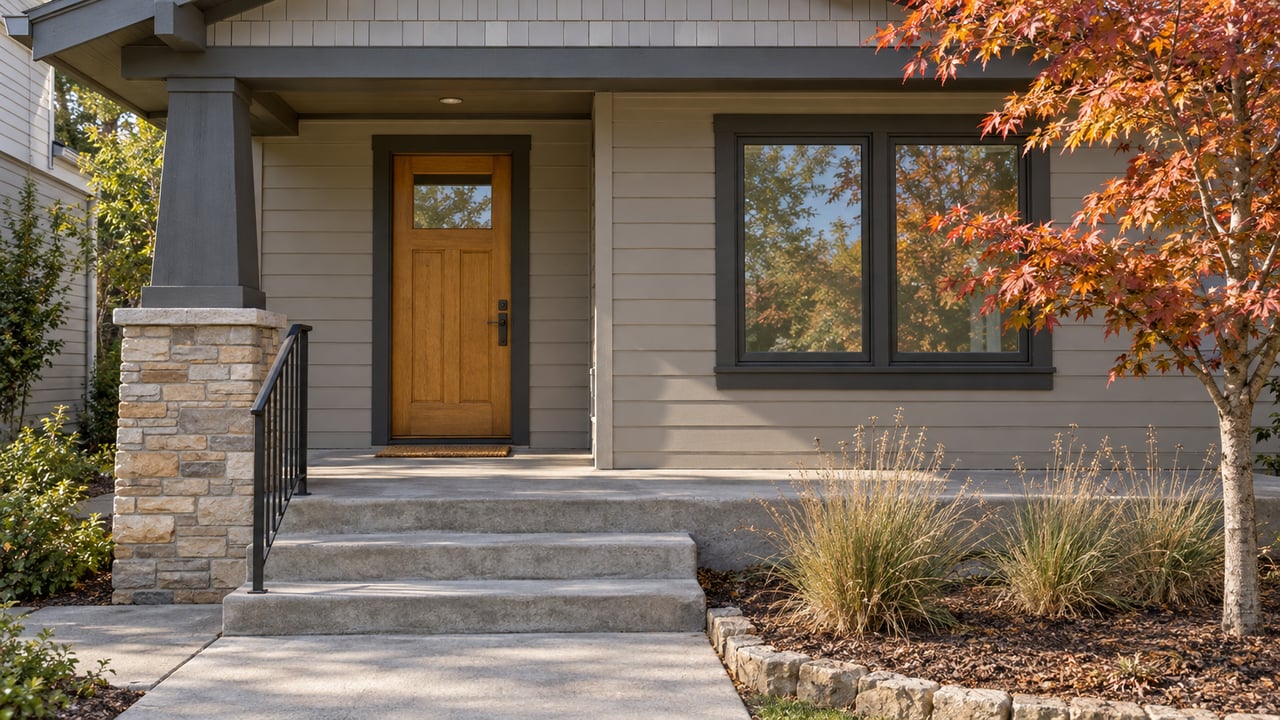
- Style an entry drop zone with a mat and tidy hooks to manage wet boots and coats.
Control moisture and odors
- Manage wet traffic with absorbent mats and prompt cleanups.
- Address pet and cooking odors before showings.
- Use a dehumidifier if needed in basements or lower levels.
Inspections to handle upfront
Winter buyers look closely at systems and structure, especially heat and roofs. Proactive checks can prevent surprises.
- HVAC and furnace service: Schedule professional service and save the receipt for buyers.
- Roof and gutters: Inspect for loose shingles, debris, and ice-dam risk. Handle simple fixes now.
- Basements and crawlspaces: Check for water intrusion or humidity issues.
- Radon: Colorado homes often test for radon. Consider a pre-listing test and keep results ready.
- Pre-listing inspection: A general inspection can flag items early so you can repair or disclose and cut down on renegotiation.
Smart marketing that reaches winter buyers
Quality marketing matters even more when foot traffic is lighter. Professional photos and video help buyers connect with your home online first, then schedule a showing.
- Professional photography and 3D tours: Showcase bright interiors and a warm atmosphere. Twilight photos with lights on can be effective.
- Video-first storytelling: A cinematic walkthrough highlights flow and finishes while buyers are at home scrolling. It increases exposure beyond MLS syndication.
- Virtual tours and live walk-throughs: Essential for relocators and anyone avoiding travel in winter weather.
- Targeted campaigns: Reach motivated segments like job-driven movers, downsizers, and investors through email, social media, and broker networks.
- MLS details: Note winter-ready features, clear show paths, and documented maintenance to build confidence.
Showing logistics and safety
You control the experience. Make it easy and safe to tour your home, even during snow events.
- Confirm a plan for prompt snow and ice removal before each showing.
- Provide shoe covers or a designated spot for boots to protect floors.
- Keep schedules flexible. Buyers may have limited daylight or travel windows.
- Follow local sidewalk clearing rules and discuss any city requirements with your agent.
Your winter listing timeline
Use this practical schedule to stay on track from planning to closing.
8+ weeks before listing
- Meet with a local Denver agent for a pricing and strategy session based on recent neighborhood comps.
- Order key services: HVAC tune-up, roof estimates if needed, radon test, and any specialty inspections indicated by your property.
- Gather documents: deed, mortgage payoff details if relevant, warranties, permits, HOA documents, and any prior inspection reports.
- Start decluttering and plan staging. Consider storage rental if needed.
4 to 6 weeks before listing
- Complete major repairs or get written estimates and prepare to disclose.
- Schedule professional cleaning and a staging consult.
- If doing a pre-listing inspection, review results and fix high-impact items.
- Order staging items or furniture rentals if needed.
2 to 3 weeks before listing
- Deep clean and organize closets. Depersonalize photos and décor.
- Finalize pricing with your agent using the latest comps and actives.
- Book photography, video, and 3D tour during a clear weather window. Clear walkways before the shoot.
- Prepare your listing packet: disclosures, HOA docs, inspection reports, and survey if available.
List week
- Activate MLS, syndication, social ads, and email announcements.
- Host a broker preview or virtual open, weather permitting.
- Maintain snow and ice removal for each showing.
- If you expect multiple offers, set a clear review deadline and communicate it.
Under contract (weeks 1 to 6)
- Expect winter-focused inspections on heating, roof, and potential moisture points.
- Negotiate repairs or credits based on inspection findings.
- Coordinate the appraisal. Provide recent comps and documentation that support value.
- Begin moving logistics and plan utility transfers.
Closing
- Typical windows in Colorado often run about 30 to 45 days, depending on financing and HOA or title timelines.
- Complete the buyer’s final walk-through and address any last items.
- Bring keys and required transfer documents to closing.
Post-closing
- Remove signage and forward mail.
- Update your address across accounts and review county tax records when updated.
Legal and disclosure basics in Colorado
Colorado sellers typically complete a standard property disclosure and must disclose known material facts. If your home was built before 1978, federal rules require a lead-based paint disclosure. For condos and townhomes, gather HOA resale documents, budgets, and rules early since buyers will request them.
If you completed renovations or additions, collect permit records to show compliance. Forms and requirements evolve, so coordinate with your listing broker and confirm current guidance with the Colorado Division of Real Estate. Having the right documents ready builds trust and keeps your timeline on track.
Common winter negotiation patterns
Winter deals often hinge on practical details. Be ready to show maintenance records and offer sensible solutions.
- Inspection items: Mechanical systems, roofs, and water lines draw extra scrutiny. Service receipts and recent work can reduce friction.
- Credits vs. repairs: Small, targeted credits can keep momentum if weather complicates repairs.
- Timing: Flexible closing and possession terms help capture buyers trying to meet a year-end or job-driven move.
- Radon: A recent test and clear plan for remediation if needed can prevent delays.
- Energy costs: If available, utility bills and notes on energy-efficient upgrades help buyers assess comfort and operating costs.
What to expect during appraisal
If the market shows seasonal softening, appraisals can come in tighter. You can prepare by aligning price with recent closed comparables, presenting a well-documented update list, and sharing relevant comps and facts with the appraiser through your agent. A clean, organized home and a thorough feature sheet reinforce value.
Next steps
Selling in winter is about clarity, preparation, and presentation. When you pair accurate pricing with winter-ready staging, proactive documentation, and strong multimedia marketing, you can attract motivated buyers and negotiate from a position of strength. If you want a tailored plan for your neighborhood and timeline, book a quick consult with Ryan Haarer to map out your winter listing strategy.
FAQs
Is winter a bad time to sell in Denver?
- Winter can still be effective because motivated buyers are active and there is often less competition, so a well-prepared home can stand out.
Will my Denver home sell for less in winter?
- Price depends on recent comparable sales and local demand; accurate pricing and strong presentation can deliver market-value results even in colder months.
How long does a Denver winter sale take?
- Timelines vary by neighborhood, price, and condition, but once under contract, many Colorado closings fall in the 30 to 45 day range.
What should I fix before a winter listing in Denver?
- Prioritize safety and mechanicals such as heat and roof issues, then handle high-impact cosmetic updates; consider a pre-listing inspection for clarity.
How do I handle showings during snowstorms in Denver?
- Keep paths clear and safe, warm the home, provide mats or shoe covers, and coordinate flexible timing with your agent so tours proceed smoothly.