
Top Renovations That Add Value In Denver
December 4, 2025
December 4, 2025
Thinking about remodeling before you sell or after you buy in Denver? With so many options, it can be hard to know what really moves the needle on value and what is better left for the next owner. You want upgrades that attract the widest pool of buyers, support a smooth inspection, and fit Denver’s climate and lifestyle. In this guide, you’ll learn which projects typically add the most value in the Denver area, how to size the scope, when you need permits, where to check incentives, and how to build a simple plan. Let’s dive in.
Denver buyers tend to prioritize energy efficiency, comfortable living spaces, and outdoor usability. Layout and functionality matter as much as finishes. Your home’s age, neighborhood, and property type also shape the best strategy. Older in-town homes reward sensitive updates that respect character and upgrade systems. Suburban single-family homes benefit from kitchen and bath updates, finished basements, and energy improvements. Condos and townhomes usually gain most from kitchen, bath, and in-unit systems upgrades.
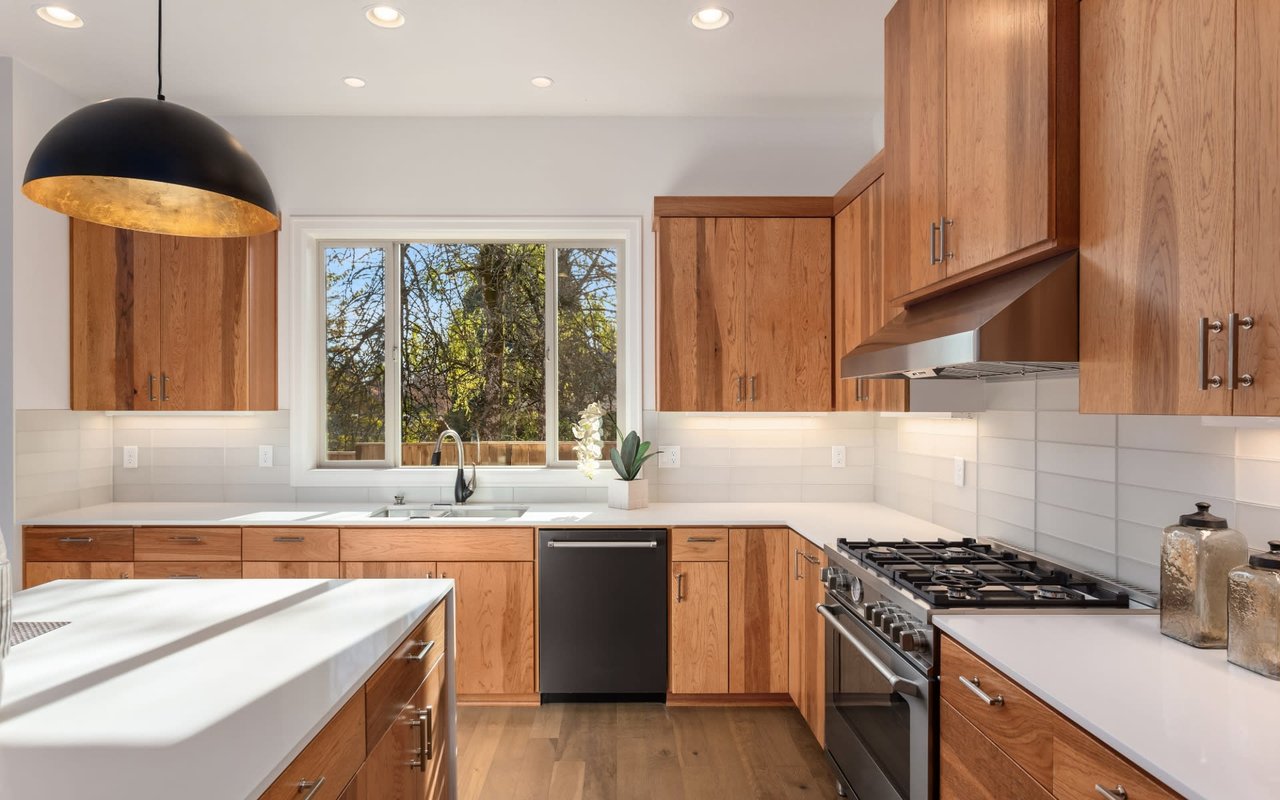
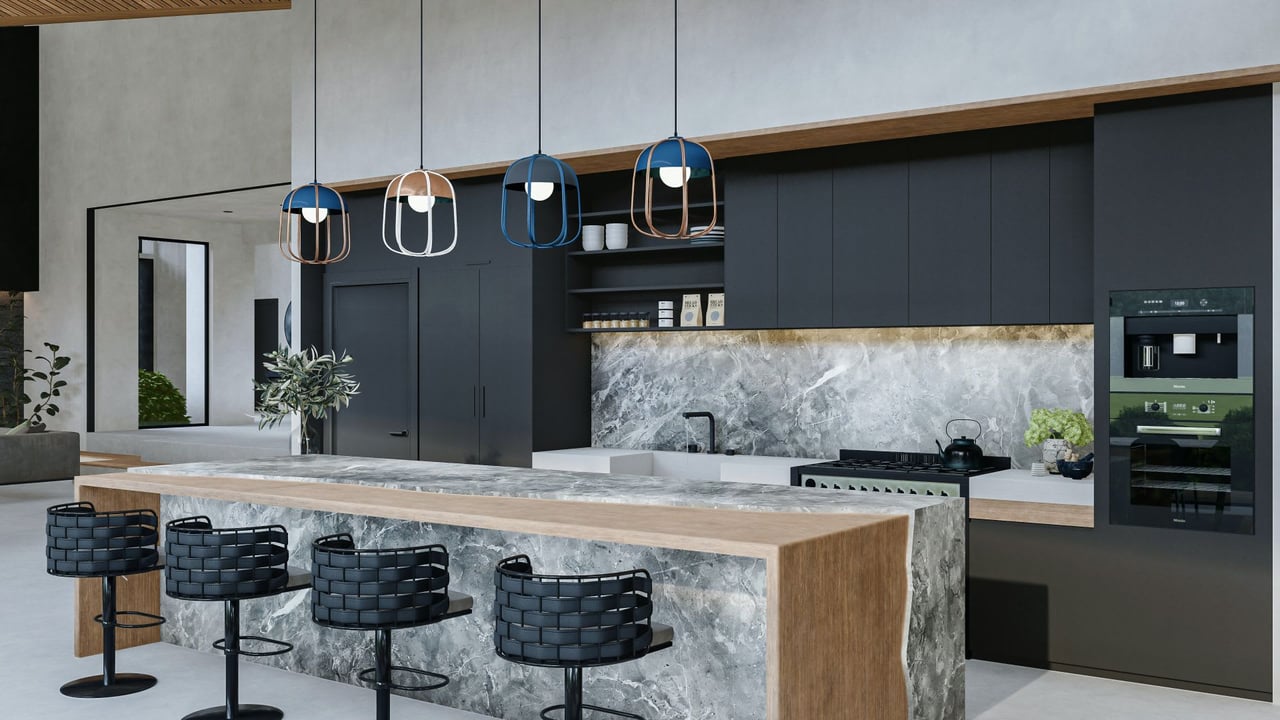
Updated kitchens draw attention across price points. You can often achieve strong appeal with a targeted refresh rather than a full gut. Consider painting or refacing cabinets, installing durable counters, updating hardware and lighting, and adding a clean backsplash. In the mid-market, cost control and functional flow usually outperform luxury overhauls.
Modern, efficient fixtures and fresh tile make a big impression. Focus on the primary bath and main guest bath. Projects like replacing vanities, lighting, shower systems, and ventilation provide a clean look without overspending. In older homes, addressing plumbing issues and improving ventilation adds value and buyer confidence.
Usable square footage is a big win in Denver. A well-planned basement can add a bedroom, home office, gym, or media space. Before you begin, address moisture and drainage, and follow egress and ventilation requirements for any bedroom. Create well-lit, comfortable rooms that feel like an extension of the main living areas.
Comfort and operating costs are top of mind in a city with cold winters and strong sun. Heat pumps, high-efficiency furnaces, insulation, and smart thermostats can reduce bills and improve comfort. Keep service records, equipment specs, and installation documentation to boost buyer trust. For current efficiency and electrification incentives, review the Colorado Energy Office and your utility’s programs, such as Xcel Energy’s rebates.
New windows can help with comfort, noise, and energy costs, especially where temperature swings are common. Target replacements when existing windows are failing or when energy savings can be documented. Midrange fiberglass or vinyl-clad options often balance durability and cost. Choose products with energy ratings suited to your home’s orientation.
A sound roof, gutters, and reliable exterior finishes alleviate buyer concerns and inspection hurdles. In a region with hail and snow, impact-resistant roofing and quality flashing are smart choices. If your roof is near end-of-life, replacing it can prevent negotiation delays. Keep receipts and warranty information on hand for buyers and appraisers.
First impressions drive showings and offers. Simple steps like repairing walkways, refreshing paint, and trimming overgrowth go a long way. Consider xeriscaping with native plants, mulch, and efficient irrigation to reduce maintenance and align with local water considerations. Keep designs low maintenance and tidy.
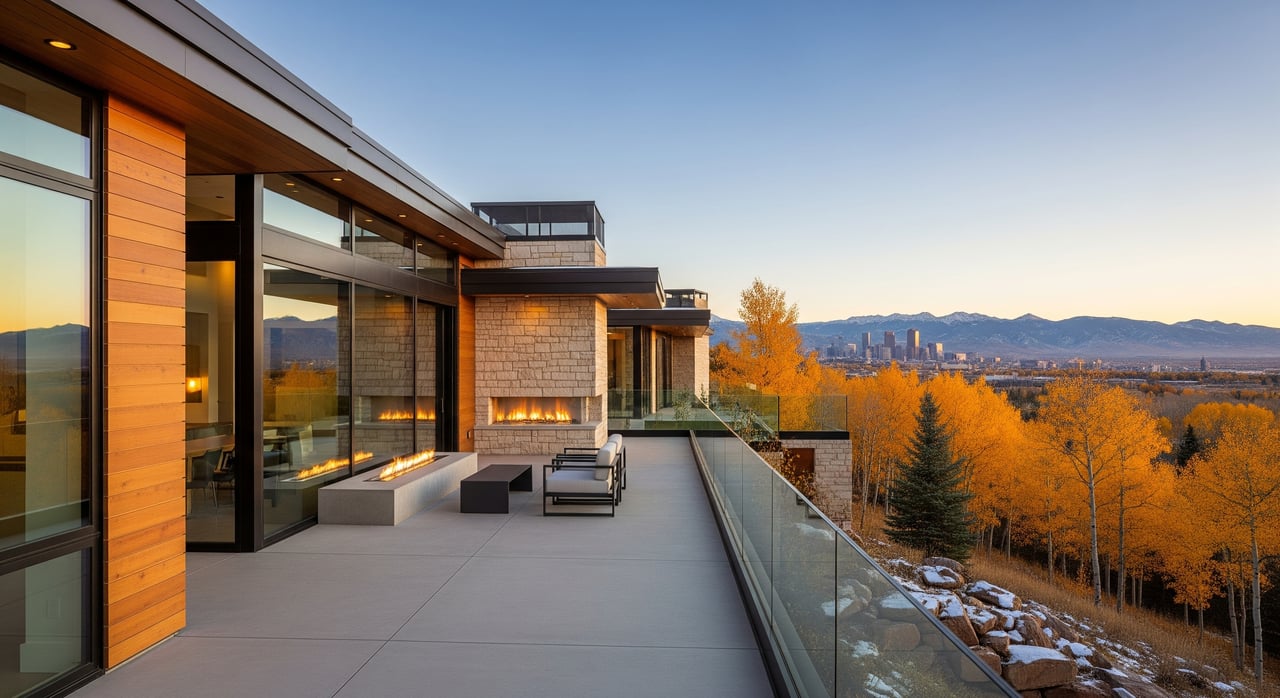
Denver’s sunny days make decks, patios, and fire pits appealing. Choose durable materials that handle freeze-thaw cycles and plan for snow loads when relevant. Check whether your project needs a permit or HOA approval. Focus on functional layouts that connect naturally to indoor spaces.
Parking and storage matter in many Denver neighborhoods. Avoid converting garages to living space if off-street parking is expected in your area. Instead, add organization systems, better lighting, and secure storage. Preserve parking value while improving utility.
Colorado’s solar resource is strong, and EV adoption continues to grow. Solar and a hardwired Level 2 EV charger can improve marketability for many homes. Ownership details matter, so document whether a solar system is owned or leased. For federal clean energy credits, review guidance from the U.S. Department of Energy and the IRS on residential credits.
Smart thermostats, locks, lighting, and security systems are relatively small investments with broad appeal. Choose systems that are easy to transfer and use. Make sure buyers can see how to operate them during showings. Simplicity and reliability are key.
There is no one-size-fits-all answer for ROI. National research shows that midrange and cosmetic updates often recover more at resale than high-end luxury projects, while systems upgrades reduce negotiation risk. Use national studies for context, then adjust your plan based on hyperlocal comps and buyer expectations. Review the latest Cost vs. Value analysis and NAR remodeling impact research as directional guides.
Here is a simple approach:
Many projects require permits, including structural changes, electrical, plumbing, HVAC, roofing, and significant decks. Historic districts and HOAs can add approval steps, and finished basements must meet egress, ceiling height, and ventilation requirements. Start early with city guidance and plan reviews. Consult the City and County of Denver’s Development Services page on denvergov.org for current processes and requirements.
Energy upgrades can qualify for federal credits and state or utility rebates. Federal clean energy and efficiency incentives were expanded, so confirm current eligibility on energy.gov and the IRS. The Colorado Energy Office and Xcel Energy provide local program details that change over time.
When financing work, common paths include cash, HELOCs, renovation mortgages like FHA 203(k) for purchase-plus-renovation, personal loans, and contractor financing. Lender rules vary, so connect with a mortgage professional early to understand timelines and requirements.
If you are considering renovations before selling, target improvements that remove buyer objections and expand your buyer pool. Keep materials durable and neutral, and finish projects before listing to prevent appraisal or inspection delays. Present a clean file of permits, warranties, and invoices.
A quick seller checklist:
If you plan to renovate after purchase, start with a thorough inspection and clear estimates. Prioritize structure, roof, sewer, and systems to protect your budget. Then add usable living space and energy upgrades that may qualify for incentives.
A buyer’s first-90-days plan:
Hiring the right team is essential. Work with licensed and insured contractors who know Denver’s climate and permitting requirements. Ask for recent local references and examples that match your price tier and property type.
Vetting tips:
Successful renovations in Denver start with smart priorities, tight scopes, and an understanding of local expectations. Focus on projects that add comfort, space, and confidence for buyers, and use incentives where available. With the right strategy, you can boost marketability and protect your net.
Here is a straightforward path:
If you want a targeted shortlist for your address and price point, reach out. A quick consult can help you decide where to invest and what to skip so you get the strongest return.
Ready to create your renovation plan or prep for market? Book a consultation with Ryan Haarer for a local, data-driven game plan.
Stay up to date on the latest real estate trends.


Inventory is up, competition is down, and motivated sellers are making deals—here’s what that means for buyers heading into 2026.
He pays great attention to detail, ensuring his clients make sound, smart real estate choices and investments. Contact him today to discuss all your real estate needs!