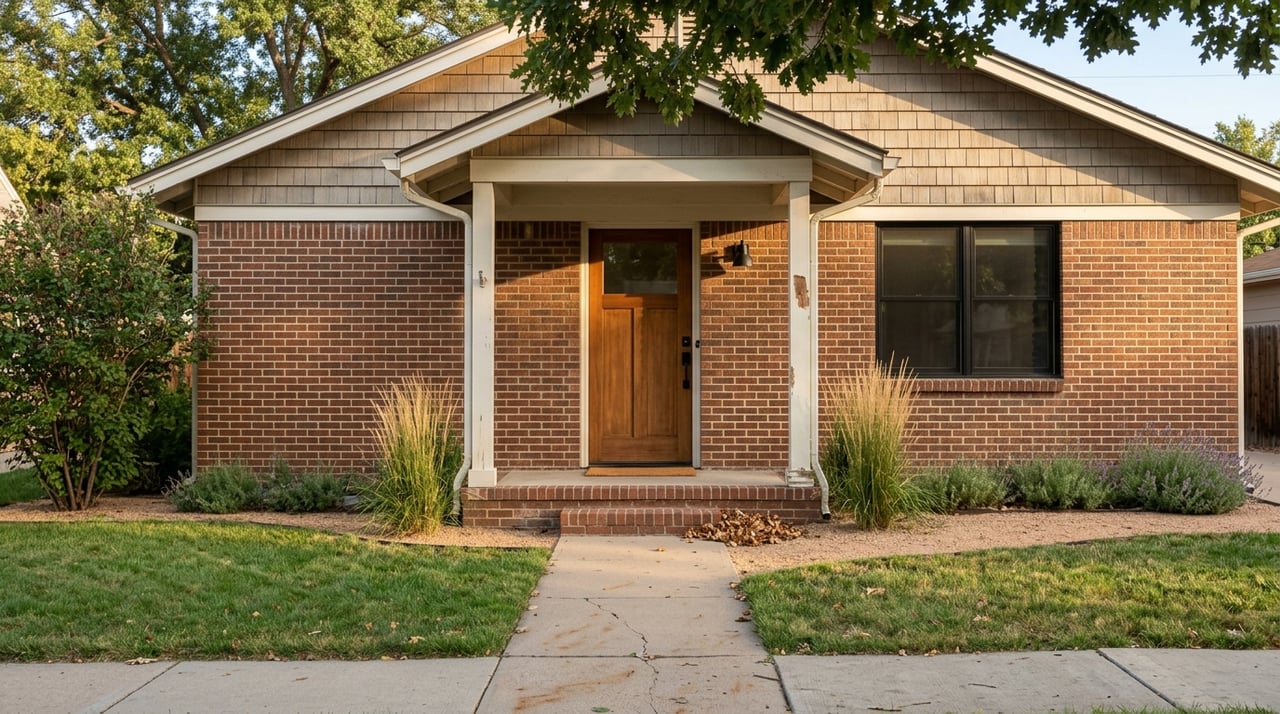
New Construction vs Resale Homes In Denver
June 25, 2026
June 25, 2026
Trying to decide between a brand-new home and a resale property in Denver? You are not alone. In a market with solid demand, limited supply, and a growing mix of housing types, this choice can shape your budget, timeline, and daily lifestyle for years to come. This guide will help you compare new construction vs. resale homes in Denver so you can move forward with more clarity and confidence. Let’s dive in.
Denver’s housing market gives you real choices, but not endless ones. REcolorado’s May 2026 report shows a median home price of $615,000, median Days in MLS of 16, and about 13 weeks of inventory. Zillow’s Denver snapshot also shows active for-sale inventory and a median of about 15 days to pending, which means homes are still moving even as buyers have more room to compare options.
That matters if you are weighing new construction against resale. You likely have enough inventory to look at both product types side by side, but not so much excess supply that every seller or builder will bend on every term. In other words, Denver is giving buyers more breathing room than the frenzy years, while still requiring a smart strategy.
In Denver, new construction does not always mean a sprawling subdivision on the edge of town. City planning and regional growth policies point a meaningful share of development toward urban centers, multimodal corridors, and infill sites. In many established neighborhoods, that means newer homes may be attached, built on tighter lots, or part of redevelopment projects.
That is an important local detail. If you are picturing a new home in one of Denver’s most established central neighborhoods, your options may look very different from resale inventory nearby. New construction here is often more project-specific and location-constrained than many buyers expect.
One of the biggest draws of new construction is the newer condition profile. A newly built home may offer newer systems, modern layouts, and less near-term maintenance than an older property. For many buyers, that lowers the stress of moving in and immediately facing repairs.
Builder warranty coverage can also be appealing. The FTC says many newly built homes come with warranty coverage that may include one year for workmanship and materials, two years for systems, and up to 10 years for major structural defects, though terms vary by builder. Just as important, those warranties often exclude some items, so you should read the actual warranty language carefully before relying on it.
Another potential benefit is personalization. When you buy before a home is complete, you may have an opportunity to choose finishes or certain options depending on the project stage. That flexibility is not guaranteed in every development, but it can be a major advantage if you want a home that feels more tailored from day one.
The biggest tradeoff with new construction is often timing. Denver reviews, permits, and inspects projects to make sure they meet building, fire, and zoning rules. That process helps support code compliance, but it can also mean more steps and more uncertainty before you can actually move in.
You should also know that city inspections are not the same as your own due diligence. Even on a brand-new home, a buyer-paid independent inspection is still a smart move. A home can be new and still have issues that matter to you as the buyer.
Warranty assumptions can also trip buyers up in Colorado. State legislative summaries make clear that warranty coverage should be treated as a contract term, not a universal promise. In some condo and townhome projects, builders or developers may opt into a program that includes a warranty and neutral third-party inspection, which is especially relevant in Denver where attached housing is a meaningful part of the new-build mix.
Resale homes are often the better fit when location matters most. Denver has many older-home neighborhoods, and city planning documents note that older housing is the default in large parts of the city. If you want a specific block pattern, lot size, streetscape, or a fully established area, resale usually gives you more choices.
Another advantage is certainty. With a resale home, you can see the actual property, the surrounding homes, the street, and the condition as it exists today. You are not buying from plans, renderings, or a construction timeline that may shift.
That clarity can make decision-making easier. You can assess room sizes, storage, natural light, traffic flow, and overall upkeep before closing. For many buyers, that known quantity is worth more than the appeal of brand-new finishes.
The main tradeoff with resale is condition. Older homes may have aging systems, deferred maintenance, or hidden issues that need further review. A standard home inspection is a limited review of the property’s general condition and major components, and Colorado guidance notes that additional inspections such as a sewer scope or structural engineering review may also be necessary.
Resale homes are also commonly conveyed in as-is condition unless the contract provides otherwise. That does not mean you have no protection. Colorado’s residential contract framework gives buyers meaningful inspection rights, including the ability to inspect, object to defects, negotiate repairs, or potentially terminate the contract if an inspection issue is not resolved by the deadline.
In Denver, this decision is often less about age and more about where and how you want to live. Because new construction is frequently tied to infill and redevelopment, it may offer a modern product in a tighter footprint or attached format. Resale may offer broader access to established parts of the city and a more traditional lot pattern.
That does not make one option better than the other. It simply means your first question should be: do you care more about a newer structure or a specific location and setting? Once you answer that, the rest of the comparison usually becomes much easier.
| Factor | New Construction | Resale Home |
|---|---|---|
| Condition | Newer systems and finishes | Varies by age and upkeep |
| Maintenance | Often lower near term | May need repairs sooner |
| Warranty | May include builder warranty, terms vary | No builder warranty in most cases |
| Inspection Needs | Independent inspection still recommended | Inspection is essential, plus possible specialty inspections |
| Timeline | Can involve construction and permitting steps | Usually faster path to occupancy |
| Location Options | Often infill, attached, or project-specific | Broader choice in established neighborhoods |
| Lot and Setting | May be tighter lots or attached formats | More likely to reflect existing block patterns |
| Personalization | Sometimes possible before completion | Limited to changes you make after closing |
Choose new construction if you value a newer condition profile, possible warranty protection, and the chance to buy a more modern layout. It can be a strong fit if you are flexible on location, lot size, or timing and prefer fewer immediate maintenance concerns.
Choose resale if you value neighborhood choice, a known house, and a faster path to move-in. It can be the better fit if you want to evaluate the exact property in person and prioritize established settings over brand-new features.
This choice is a bit more negotiable today than it was a few years ago. DMAR reports that inspection contingencies, seller concessions, and rate buydown discussions are back on the table, while REcolorado’s data shows a slower pace than the prior year and more inventory than the tightest recent periods. That gives you more space to compare not just price, but also risk, timing, and terms.
In practical terms, you may have room to ask better questions, negotiate more carefully, and avoid rushing into the wrong product type. That is especially useful when the differences between a new home and a resale home can affect everything from your inspection strategy to your move-in date.
Before you choose between new construction and resale in Denver, focus on the tradeoffs that matter most to your life:
A clear comparison process can save you time and money. It can also help you avoid falling in love with a home type that does not really match your priorities.
Whether you are comparing a new infill townhome to an older detached house or weighing a builder contract against a resale contract, the right strategy starts with local context. If you want help evaluating the tradeoffs, negotiating from a stronger position, and narrowing your options across Denver, connect with Ryan Haarer to book a consultation.
Stay up to date on the latest real estate trends.

From hidden insurance costs to year-round outdoor access, the lesser-known trade-offs of life in the Denver metro area

A look at Cherry Creek's billion-dollar expansion, the team behind it, and what it could mean for property values in one of Denver's strongest submarkets
A breakdown of the five reasons certain Denver-area listings stall, and what buyers and sellers can do about it

From a new Broncos stadium district to a reimagined downtown in Westminster, these developments are set to transform real estate values across the region

Everything newcomers need to know about Denver's layout, counties, and surrounding suburbs before starting a home search

A tier-by-tier breakdown of eight Denver-area suburbs, from entry-level value to luxury addresses, and who each price point fits best
He pays great attention to detail, ensuring his clients make sound, smart real estate choices and investments. Contact him today to discuss all your real estate needs!