
Living in Denver Colorado: The Pros and Cons to Expect
Ryan Haarer July 6, 2026
Ryan Haarer July 6, 2026
Colorado has some of the lowest property tax rates in the country, but that benefit comes with a less obvious trade-off: a notable insurance cost that catches many homeowners off guard. Beyond taxes and insurance, several other lesser-known factors shape what it's actually like to live in the Denver metro area, some working in residents' favor and others adding unexpected expense.
Colorado's low property tax rate is often viewed as a clear financial advantage, but homeowners insurance in the state has risen significantly over the past decade. A typical home in the Denver metro can cost several thousand dollars a year to insure, a figure that can offset much of the savings buyers expect from lower property taxes.
While wildfire risk is often assumed to be the primary driver, that risk is largely concentrated west of the metro in mountain towns with dense forests. The bigger factor in the Denver area is hail. The Front Range sits within what the insurance industry refers to as "Hail Alley," where storms can produce hail two to four inches in diameter capable of damaging vehicles, roofs, and other property. Hail-related damage can account for roughly half of an annual insurance premium in the region.
Insurance costs shouldn't necessarily discourage buyers from purchasing in the Denver area, particularly those relocating from states with higher property taxes, such as New York, Illinois, or Texas. But the combined cost of property taxes and insurance should factor into affordability calculations from the start.
Despite its reputation as a cold mountain city, Denver is technically a high-desert city situated on the high plains, with winters considerably milder than those in much of the Midwest. The region averages close to 300 days of sunshine annually, and average highs during the coldest months sit around 48 degrees.
The Rocky Mountains block much of the incoming moisture from the west, helping the metro avoid the prolonged gray skies common in colder regions. While the area does experience a handful of significant snowstorms each season, snow typically melts within a few days, and outdoor activity resumes quickly. It's not unusual for residents to golf in January or fill outdoor patios during winter stretches that approach 60 degrees.
That extended access to comfortable outdoor weather, often 10 months out of the year, plays a significant role in shaping Denver's broader culture and lifestyle.
Denver's outdoor culture tends to encourage residents to take up multiple activities rather than settle on one, and each new hobby typically comes with its own gear costs. A common pattern involves starting with hiking gear, moving into a ski pass and equipment by winter, then adding cycling or fishing gear the following year.
The flagship REI store, located in a restored early-1900s Denver Tramway building near Confluence Park, reflects how central outdoor gear culture is to the city. While this spending isn't required, Denver's environment and culture make it easy to justify, functioning less like a traditional added cost and more like a lifestyle-driven expense that factors into overall affordability.
Colorado consistently ranks among the top 10 states in the country for physical health, a result driven largely by environmental factors rather than discipline alone. Year-round access to skiing, hiking, cycling, and an extensive trail network makes staying active a natural part of daily life rather than a deliberate effort.
Many master-planned communities throughout the metro incorporate trails, parks, and pools as standard features rather than added amenities, reinforcing regular outdoor activity simply through proximity. Over time, many residents find themselves moving more than they did prior to living in the area, a shift driven largely by how the city and its suburbs are designed.
Denver's outdoor-driven lifestyle extends into its restaurant and social scenes, where casual attire, including fleece jackets and flip-flops, is common even in well-regarded restaurants. For residents accustomed to more formal dining culture, this casual approach can come as a surprise.
That said, Denver's dining scene continues to grow more refined, with increasing Michelin recognition across the city and a strong cocktail bar scene. Neighborhoods like Cherry Creek tend to offer a more polished, upscale feel for those seeking it.
For residents who prefer a more relaxed, activity-driven lifestyle, Denver's casual culture is often viewed as a benefit rather than a drawback. The blend between outdoor activity and social life allows for an easy transition from a hike or bike ride directly into dinner or drinks without a wardrobe change.
That casual approach often extends into scheduling and work-life balance, with many residents prioritizing flexibility, taking advantage of good weather, or fitting in outdoor activity around work commitments.
Finding an updated, move-in-ready single-family home within Denver's city limits can be challenging for first-time buyers. Within the city, that type of home, generally a smaller property under 2,000 square feet, may need cosmetic updates and typically starts around $600,000. Fully updated homes with more space, a primary suite, a yard, and a garage in sought-after neighborhoods generally start in the mid-$800,000s, with neighborhoods like Cherry Creek, Washington Park, and LoHi commanding significantly more.
Suburbs such as Lakewood, Arvada, Centennial, and Wheat Ridge offer more accessible pricing while remaining within reach of downtown. Farther from the city, Castle Rock and Parker offer more space, newer construction, and master-planned communities with built-in trails and parks.
Buyers willing to make that trade-off often find more value outside city limits, though those seeking Denver's urban walkability and energy specifically may not find a comparable experience in the suburbs. Current market conditions, including rising inventory and longer time on market, have made the broader Denver metro more buyer-friendly than it has been in recent years.
Much of the criticism around Denver's housing costs stems from buyers who limit their search to the city limits alone. Expanding the search radius to 15, 20, or 30 minutes from downtown opens up significantly more options across a range of price points.
Buyers seeking newer construction and more space often find strong options in Castle Rock, Parker, Thornton, and Broomfield. Those wanting a more established, walkable feel may prefer Lakewood, Westminster, or Wheat Ridge, while Aurora offers strong value and easy highway access.
Importantly, living outside Denver's city limits doesn't necessarily mean losing access to what the city offers. Red Rocks Park sits about 15 miles from downtown, the metro's trail network extends well into the suburbs, and the region's restaurants, sports, and cultural attractions remain accessible within a reasonable drive of most suburban communities.
Residents who tend to do well in Denver are the ones who understand its trade-offs upfront rather than expecting the city to match assumptions formed elsewhere. Weighing factors like insurance costs, lifestyle spending, housing availability, and cultural fit can help buyers make a more informed decision about where, and how, to settle into life in the Denver metro area.
Ryan Haarer is one of the top 1.5% of realtors by volume in the country, according to RealTrends, and works in the Denver metro area. Reach out for a personalized consultation by calling or texting Ryan at 303-507-5910 or emailing him at [email protected].
Stay up to date on the latest real estate trends.
From major residential projects and infrastructure upgrades to new dining and retail, a comprehensive look at what’s changing across the Denver metro this fall

Five Denver metro neighborhoods positioned for long-term appreciation, and what it takes to protect that return after you own the home
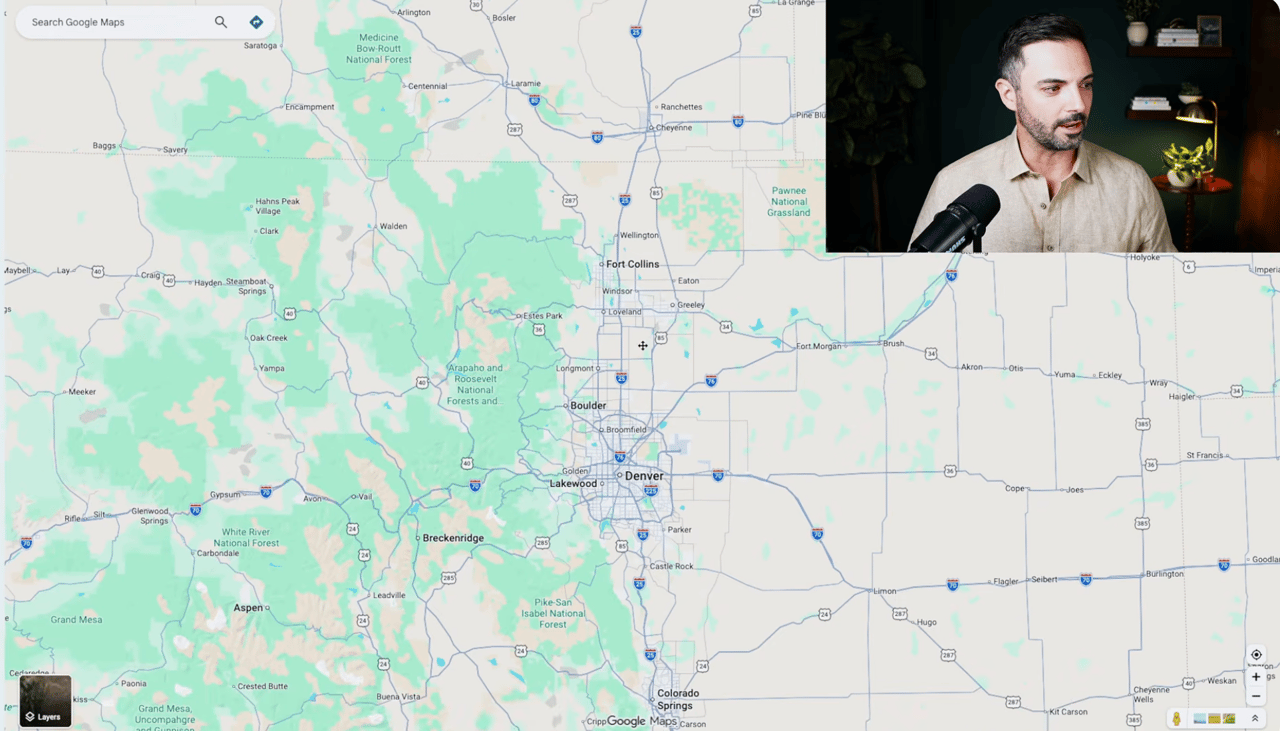
A region-by-region breakdown of the Denver metro area, from the urban core to the far suburbs, with home prices and lifestyle details for every area
He pays great attention to detail, ensuring his clients make sound, smart real estate choices and investments. Contact him today to discuss all your real estate needs!