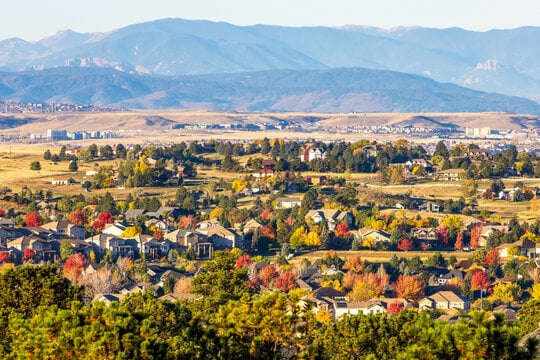
Why Centennial, Denver Delivers More Home for Less
Ryan Haarer August 9, 2026
Ryan Haarer August 9, 2026
Fifteen minutes of drive time separates Centennial from South Denver. That gap also separates buyers from a larger home, a real yard, and access to one of the most sought-after school districts in Colorado, typically at a significantly lower price point.
Centennial is a master-planned, family-oriented suburb in Arapahoe County, positioned directly adjacent to the Denver Tech Center, the largest suburban job hub in the metro. Most of its housing stock was built in the 1970s and 1980s, resulting in mature neighborhoods with established trees, ranches, two-stories, and split-levels on cul-de-sac lots, many of which have been renovated or well-maintained over the decades. A handful of newer luxury homes are scattered throughout.
From the best neighborhoods within Centennial, downtown Denver sits roughly 20 to 30 minutes away even in moderate traffic. Daily needs are well covered locally, with more extensive dining and entertainment options a short drive north into the Denver Tech Center area or Greenwood Village.
Centennial often flies under the radar precisely because it doesn't call attention to itself. It isn't trendy, it isn't underpriced due to neglect, and it isn't far from anything that matters. It simply doesn't get the same attention as neighborhoods with higher name recognition.
The most common reason buyers skip Centennial is a mental anchor on Denver proper as the only worthwhile address in the metro. South Denver, with its proximity to downtown and urban energy, is a legitimate draw for buyers with the budget to support it. But the price difference between the two areas is substantial.
What a million dollars buys in South Denver would represent closer to a million and a half in value in Centennial. That gap widens further when factoring in lot size, square footage, and the age and condition of the home.
The school district is another major factor. Centennial sits within the Cherry Creek School District, and Cherry Creek High School ranks in the top 5% of public schools in Colorado, with one of the highest-ranked athletic programs in the country. Many families begin their search in Greenwood Village specifically for Cherry Creek school access, but buyers with budgets under $2 million often find Centennial offers the same district access at a more manageable price point.
The High Line Canal Trail runs 71 miles on packed dirt and gravel through the area, connecting seamlessly to open spaces and parks throughout the metro. Cherry Creek State Park sits in the northeast portion of the city, offering paddleboarding, trails, and open space accessible on a summer morning with time to spare before lunch.
Many Centennial neighborhoods include community amenities such as pools, which see heavy use through the warmer months. Local dining options are more limited than in Denver proper, though University Boulevard, running north-south through much of the metro and through Centennial, offers a range of casual options. The SouthGlenn open-air center includes a Whole Foods and several restaurants near a movie theater.
For more extensive dining and nightlife, downtown Denver is typically a 20-to-30-minute drive, making it a realistic option for a weekly evening out without being a daily commute.
Around $600,000 represents an entry point in both Centennial and Denver's more popular south-side neighborhoods. In South Denver at that price, buyers are generally looking at a home under 2,000 square feet that may need updating. In Centennial, the same budget typically yields a 1970s ranch or split-level with a finished basement, a real yard on a quiet cul-de-sac, more than 2,000 square feet, and three to four bedrooms.
In the $700,000-to-$900,000 range, Centennial generally delivers 3,000 to 4,000 square feet on a well-maintained lot, with more recent updates at the higher end. Premium locations and larger homes can push past $2 million.
By comparison, Washington Park in Denver carries a median around $1.5 million. For buyers who need space and aren't working with a $3 million budget, the trade-off amounts to roughly 20 minutes of additional drive time in exchange for a significantly larger home, a full yard, and mature landscaping that took decades to establish.
Centennial rewards a specific type of buyer and is upfront about that. It works well for families with children or those planning for them, offering quiet streets, walkable routes to school, neighborhood pools, strong community ties, and consistently excellent schools. The suburb's established character also makes it a natural fit for buyers who appreciate homes built in the 1970s and 1980s, many of which have been thoughtfully updated over the years.
It is a weaker fit for single buyers or young couples prioritizing walkable nightlife and restaurants, and for buyers seeking ultra-luxury in a high-energy urban setting. Centennial is a long-term neighborhood in the most straightforward sense of the phrase.
Centennial is oddly shaped and stretches considerably from west to east, and that geography matters. The mature neighborhoods with the strongest community amenities and easiest downtown access sit west of Interstate 25. The east side of Centennial offers lower-priced single-family options starting in the high $400,000s, with access to the same school boundaries, but the everyday feel is noticeably different. Buyers should know which side they're shopping before assuming every listing in the city offers the same lifestyle.
Centennial is also largely built out, with very little land remaining for new construction. Most available homes date to the 1970s and 1980s. A significant redevelopment project is planned along I-25 over the next five to ten years, expected to add housing, retail, and dining to the corridor, but that development is still years away. Buyers specifically seeking new construction will find better options in Lone Tree, Parker, or Castle Rock to the south.
For the right buyer, Centennial offers one of the most efficient value propositions in the Denver metro: Cherry Creek school access, mature and well-maintained neighborhoods, strong trail infrastructure, and proximity to the Denver Tech Center, all at a price point that delivers meaningfully more home than comparable budgets would buy in South Denver.
Ryan Haarer is one of the top 1.5% of realtors by volume in the country, according to RealTrends, and works in the Denver metro area. Reach out for a personalized consultation by calling or texting Ryan at 303-507-5910 or emailing him at [email protected].
Stay up to date on the latest real estate trends.
From major residential projects and infrastructure upgrades to new dining and retail, a comprehensive look at what’s changing across the Denver metro this fall
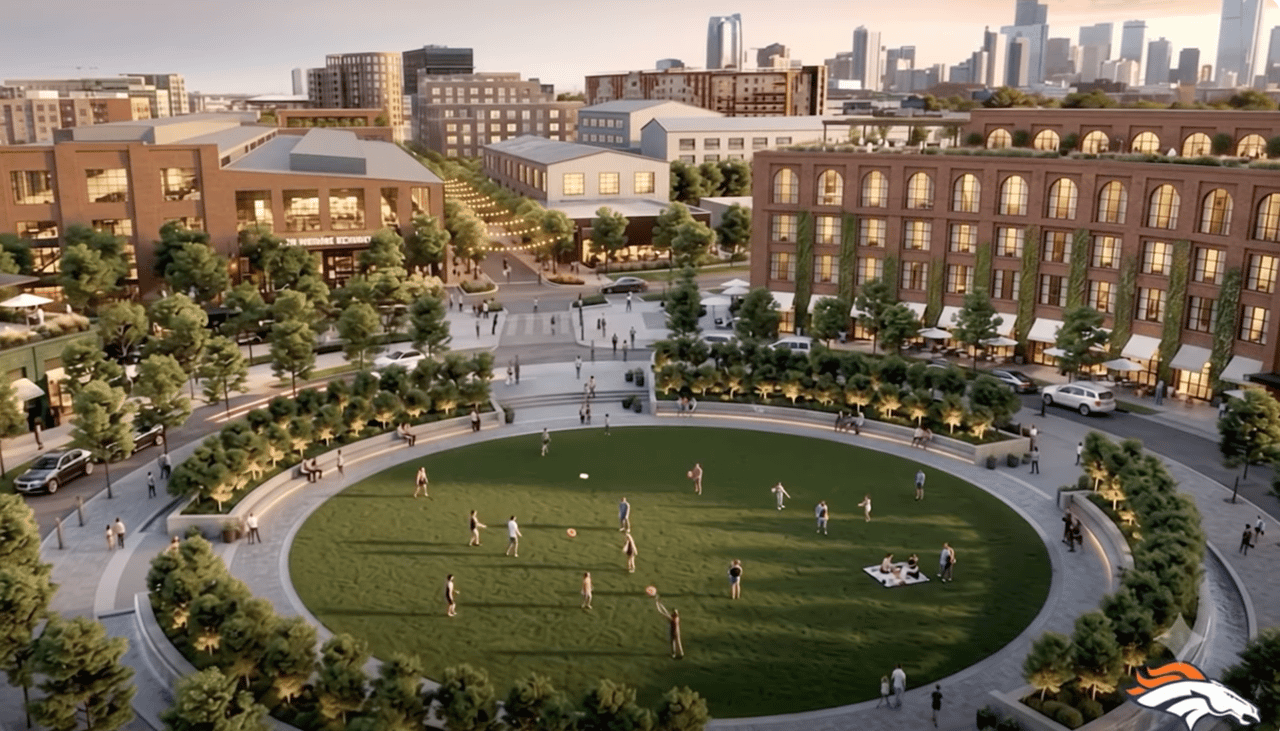
Five Denver metro neighborhoods positioned for long-term appreciation, and what it takes to protect that return after you own the home
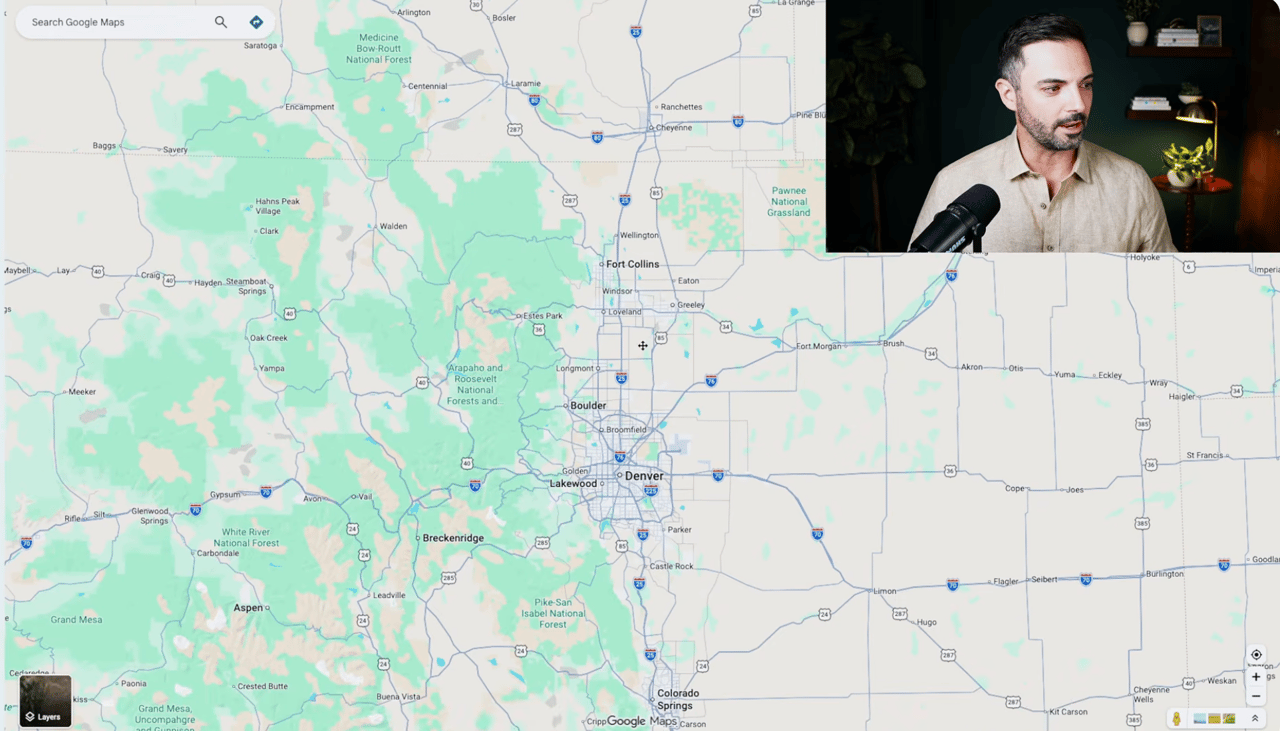
A region-by-region breakdown of the Denver metro area, from the urban core to the far suburbs, with home prices and lifestyle details for every area
He pays great attention to detail, ensuring his clients make sound, smart real estate choices and investments. Contact him today to discuss all your real estate needs!