Denver Inspection Reports Always Flag the Same Two Things. This Year, They're Finally Worth Negotiating.
September 24, 2026
September 24, 2026
Pull up ten inspection reports from ten different Denver closings this fall and you will find the same two entries near the top of nearly every one. A note about foundation cracking tied to soil movement. A radon reading that lands above 4.0 picocuries per liter. Neither finding is new. Denver buyers and sellers have been reading versions of these same two lines for decades.
What changed is what happens after the report lands on the table. For most of the last five years, these findings showed up and got waived, because there were three other offers behind yours and nobody had the leverage to ask for a credit. That is not the market right now. Inventory is elevated, days on market have stretched out, and buyers are using inspection findings as an actual negotiating tool rather than a formality to skim past. The soil and the radon didn't get worse. The room for a buyer to do something about them got bigger.
Denver metro sits on a mix of clay-rich soils, much of it bentonite derived from the Denver Formation and Pierre Shale that underlie large stretches of the Front Range. Bentonite can swell to several times its dry volume when it absorbs moisture, then shrink back down when it dries out. That cycle repeats every year with spring snowmelt and summer thunderstorms, and it puts pressure on foundation walls and slabs that never fully lets up.
Homes built between the 1960s and 1980s tend to show the most movement, since foundation design standards from that era didn't always account for how much these soils expand. Southeast Denver, Aurora, Centennial, Parker, Castle Rock, and parts of Highlands Ranch sit on some of the heaviest concentrations of expansive clay in the metro, but even newer construction in places like Green Valley Ranch or Reunion isn't automatically exempt if the site prep skipped proper soil engineering.
Radon runs on a different mechanism but tells a related story. Uranium in the region's soil and bedrock decays into radon gas, which migrates upward through foundation cracks, sump pits, and gaps around utility penetrations. Denver metro sits in the EPA's Zone 1, the agency's highest radon-potential classification, and roughly half of Colorado homes tested come back above the EPA's action level of 4.0 picocuries per liter. Local testing averages vary by source, running somewhere between 6 and 9 picocuries per liter across different reporting groups, but every estimate lands well above the threshold where the EPA recommends mitigation.
Neither of these findings is confined to one zip code. Radon in particular doesn't respect a block. Two houses next to each other in Park Hill or Wash Park can test very differently depending on foundation type and how the soil beneath each one settled.
Here is the part that matters for anyone closing this fall. Denver Metro Association of Realtors data for August 2026 put the median residential close price at $594,495, down from July, with median days in the MLS stretching to 27. Closed sales dropped nearly 19 percent month over month. Attached properties are softer still, with condos and townhomes closing around a $370,000 median and sitting closer to 45 days, and luxury attached inventory averaging close to 99 days on market, a sharp jump from a year earlier.
Active inventory across the metro was running above 13,000 listings as of mid-August 2026. That is a lot of competing product, and it is the reason inspection findings carry weight again. During the 2021 and 2022 frenzy, buyers waived inspections outright just to compete. That era is over. Buyers in 2026 are routinely requesting repairs for health and safety items, and sellers are engaging with those requests rather than holding firm on a full-price, no-concessions stance.
Foundation and radon findings sit squarely in that health-and-safety category. They are not cosmetic. They are the two items an inspector can point to with a number attached, which makes them the easiest thing for a buyer's agent to convert into a credit request and the easiest thing for a listing agent to get ahead of before it becomes one.
The dollar figures on both findings vary a lot depending on severity, and knowing where a given repair falls on that range is what separates a fair negotiation from an overreach on either side.
| Finding | Minor fix | Moderate repair | Major repair |
|---|---|---|---|
| Foundation / soil movement | Regrading and downspout extensions, roughly $1,000–$3,000 | Crack injection and drainage correction, roughly $2,000–$15,000 | Helical pier underpinning, $30,000 or more |
| Radon | DIY retest, under $50 | Passive system activation with a fan, roughly $800–$1,500 | Full mitigation system install, roughly $1,300–$3,000 |
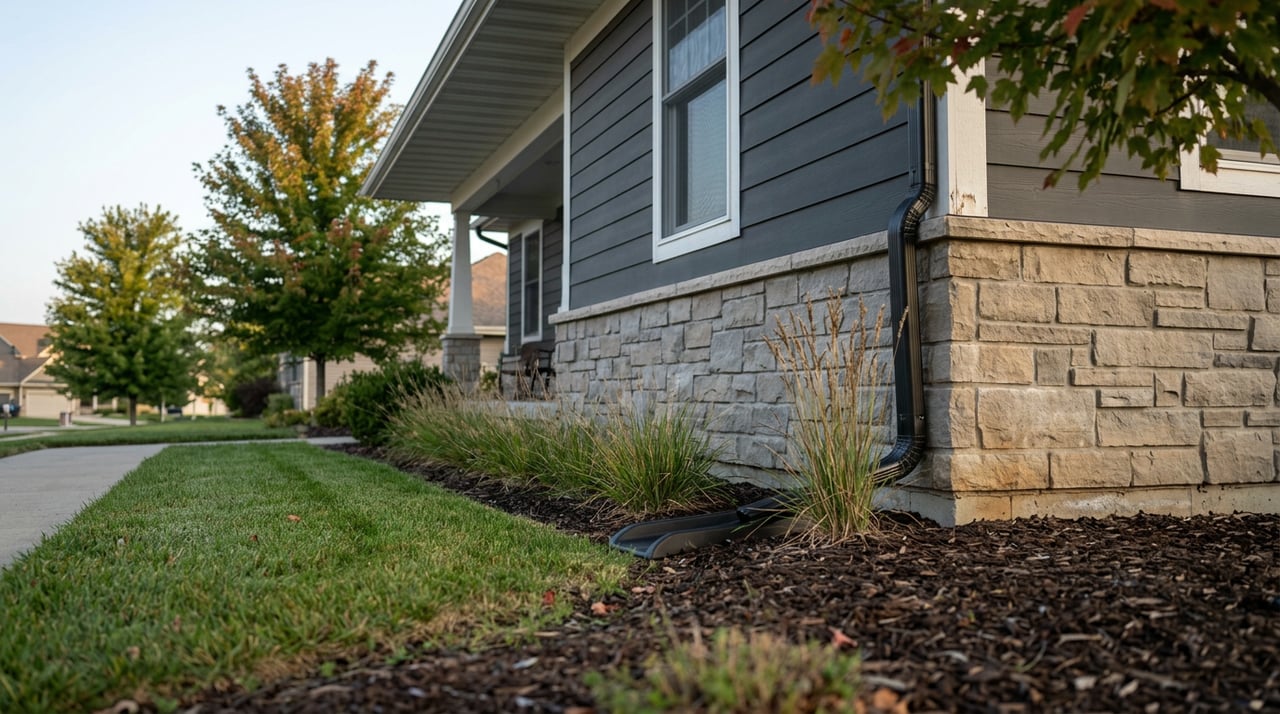
A buyer asking for a $2,000 grading credit after a foundation inspector notes minor stair-step cracking and a downspout draining toward the house is asking for something proportionate. A buyer trying to walk away from a deal or demand a five-figure credit over hairline cracks that a licensed inspector characterizes as cosmetic is asking for something the data doesn't support. The difference comes down to whether the movement affects load-bearing components, and that distinction is exactly what a structural engineer's stamped letter is for.
Colorado's radon disclosure law, Senate Bill 23-206, took effect in August 2023 and is still the operating standard for every residential contract in the state. It requires bold-faced disclosure language in the sales contract warning buyers that the health department recommends testing before purchase, and it requires the Seller's Property Disclosure to state whether a radon test was ever conducted, what the most recent results showed, and whether a mitigation system is already installed.
What the law does not require is a test before listing. A seller who has never tested simply marks the disclosure "unknown," which is legal but leaves a buyer negotiating blind during the option period instead of walking in with a number already on the table. Selling with a known result, especially a low one, tends to move faster through negotiation than selling with an unknown and hoping the buyer's own test comes back clean.
There is a seasonal wrinkle worth knowing too. Radon readings taken with windows open during warm months can understate a home's true level, since ventilation dilutes the gas. A test run during Denver's colder months, or with the house properly closed up for the standard 48-hour period regardless of season, gives a more reliable number than one taken during a breezy September open house.
The stretch from right after Labor Day through mid-October tends to be the strongest listing window of the fall in Denver metro, since serious buyers are shopping on a deadline rather than browsing. That is useful timing, but it also means a seller who hasn't addressed drainage or tested for radon is walking into the negotiation with less information than the buyer will have within the first two weeks under contract.
Getting ahead of both issues before listing costs far less than negotiating them after an inspection. A grading correction runs a fraction of what a pier system costs. A radon test runs $10 to $150 depending on whether it's DIY or professional, against a mitigation system that costs $1,000 to $3,000 either way. Testing early and disclosing the number, rather than marking "unknown," tends to shorten the negotiation instead of extending it.
Both of these items typically get tested separately from the general home inspection, and both have their own short clock. Radon tests run on a 48-hour cycle and most purchase contracts build in a 7 to 10 day window to get results back and act on them. A structural engineer's stamped evaluation on foundation concerns can take a week or more, so requesting it early in the inspection period matters if there's any chance you'll need the extra time to negotiate.
In this market, a documented radon reading above 4.0 or an engineer's note about active foundation movement is a legitimate credit request, not an aggressive one. Sellers are engaging with these requests because the alternative, in a market with 13,000-plus competing listings, is relisting.
Does a Denver seller have to test for radon before listing? No. State law requires disclosure of any known results and a bold-faced warning in the contract, but testing before listing is not mandated. A seller with no prior test marks the disclosure as unknown.
Are foundation cracks in a Denver home automatically a dealbreaker? No. Some seasonal cracking is close to expected given the region's clay soils. What matters is whether an inspector or engineer identifies the movement as affecting load-bearing components versus cosmetic finish cracking.
How fast can a radon mitigation system get installed if the test comes back high? Typically within a week of the decision to move forward, which usually fits inside a standard inspection contingency window.
If you're weighing whether a Denver listing needs a pre-inspection this fall, or you're under contract right now and trying to figure out whether a repair request is reasonable, Ryan Haarer can walk through the specific report with you and help you land on a number that holds up at the table. Book a consultation and bring the inspection report with you.
Stay up to date on the latest real estate trends.

Five Denver metro neighborhoods positioned for long-term appreciation, and what it takes to protect that return after you own the home
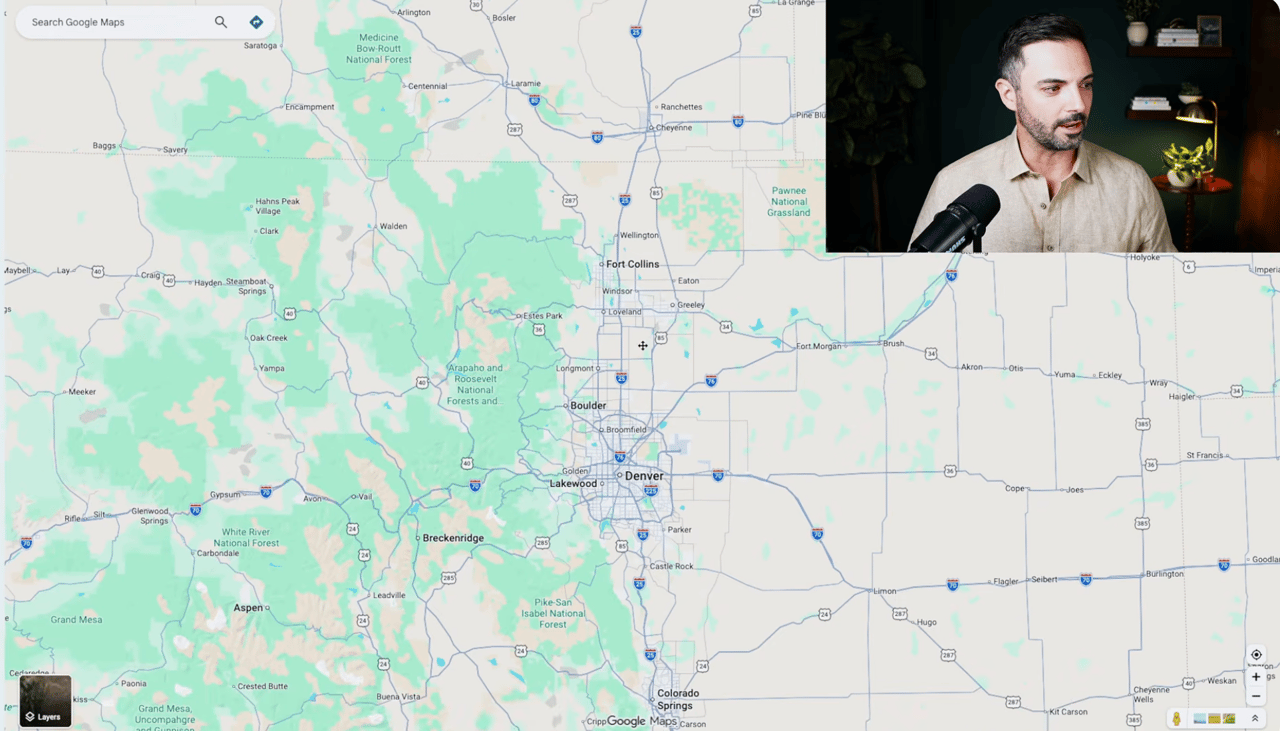
A region-by-region breakdown of the Denver metro area, from the urban core to the far suburbs, with home prices and lifestyle details for every area
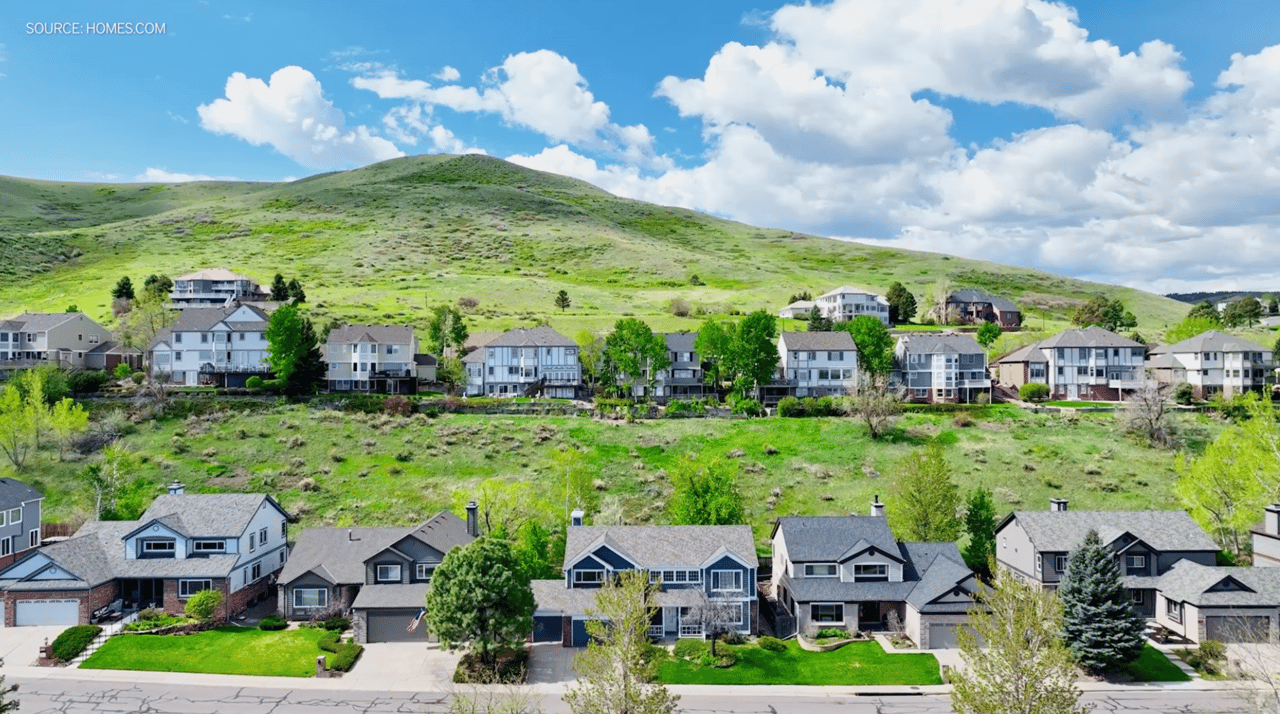
The same budget buys a small bungalow in one Denver neighborhood and 5,000-plus square feet in another. Here's what $1 million gets you across six of the metro's best … Read more
From overpricing to skipping staging, the most common missteps costing Denver sellers equity in today's market, and how to avoid them

From Golden's creekside energy to Cherry Creek's luxury district, a neighborhood-by-neighborhood guide to the Denver metro's best walkable centers
He pays great attention to detail, ensuring his clients make sound, smart real estate choices and investments. Contact him today to discuss all your real estate needs!