The Building Behind Linger Explains How LoHi's Restaurant Scene Keeps Turning Over
September 17, 2026
September 17, 2026
If you've walked past 1575 Boulder Street this summer, you've watched a Cajun restaurant get built inside a former funeral parlor. Crews have been framing out a second-story bar and rooftop dining area where a shop called Dimestore Delibar used to sit, and a gift shop is moving in next door where Scarlet Salon closed. By late 2026, the space will house The Acadian, a jambalaya-and-truffle-tenderloin concept from chef David Simpson, and The General Store, a home goods shop expanding up from Littleton.
That sounds like two more openings on a block that's had dozens of them. It isn't. It's the same building doing what it has done for two decades, because one developer, Paul Tamburello, has owned this parcel since he bought it from Olinger Mortuary in late 2002 and has been quietly rotating what happens inside it ever since. If you want to understand why LoHi's restaurant map never seems to hold still, you don't need to track every storefront on West 32nd Avenue. You need to watch this one address.
Tamburello's first move on the 0.3-acre lot was cosmetic and became iconic: he converted the main mortuary building into the restaurant Linger and altered the old neon sign from "Olinger Mortuary" to "Linger Eatuary," a detail Denver Westword has chronicled as part of the neighborhood's own origin story. That rooftop bar with downtown skyline views is still what most visitors picture when they hear the word LoHi.
He didn't stop there. In 2017, Family Jones Spirit House opened inside the same complex as Denver's first distillery-restaurant. In 2025, a gothic-tinged basement lounge called Dearly Departed opened on the property's subterranean level, leaning directly into the building's mortuary past rather than hiding it. Now, in 2026, comes The Acadian and The General Store. Simpson, the Acadian's chef, is a Denver native and Tulane University graduate who runs a restaurant group in Bogotá and co-founded Tremé, a Cajun and Creole restaurant set inside a century-old colonial home in that city's Quinta Camacho neighborhood. Tamburello told the Denver Post the new restaurant would be "absolutely next level for LoHi," a line reported by Hoodline.
Lay those four openings on a timeline and a pattern shows up that a single visit to the neighborhood would never reveal: roughly every five to eight years, this one address adds a new layer without ever changing its footprint. Tamburello isn't just a tenant in this story. He also owns the retail and office building on the other side of Little Man Ice Cream and the parking lot across the street from it, which means a meaningful share of what you eat and drink within a few hundred feet of that giant milk can traces back to decisions made by one person.
LoHi doesn't have room to sprawl. A neighborhood guide from First In Denver pegs most of what draws people to the area, the restaurants, the bars, Little Man itself, inside a footprint of roughly six blocks along West 32nd Avenue and the 17th Street corridor near the Highland Bridge. There's no adjacent vacant land waiting to be developed into a new restaurant row. When a building's tenant closes, the next concept goes into the same shell, sometimes with the same bones the last one left behind.
That's why Tamburello's building matters as a case study rather than a curiosity. It's a compressed version of what's happening across the whole corridor, just with one name attached to all of it instead of six or seven different landlords making independent calls.
The pattern isn't limited to one landlord's address. Cart-Driver LoHi reopened in January 2025 on West 30th Avenue after a closure, bringing back its wood-fired pizza program to a space that had gone dark. Wildflower, the restaurant inside Gravity Haus, earned a Michelin Recommendation and a MICHELIN Young Chef Award for chef Aiden Tibbetts, putting a tasting menu on a block better known for casual patios. Nana's Dim Sum & Dumplings opened at 3316 Tejon Street in late 2023 and was named Westword's Best New Dumpling Restaurant within months of opening.
More recently, Mezcaleria Alma opened beside its sister restaurant Alma Fonda Fina, bringing chef Johnny Curiel's CDMX-inspired small plates and an expanded mezcal list to a corridor that already had a tasting-menu waitlist problem. KUMOYA, a sushi and izakaya concept from chef Corey Baker and Max Mackissock, has taken a kappo-style approach that lets guests build their own multi-course meal in the heart of the neighborhood.
None of these are Tamburello properties. They're independent operators making the same bet he's made for twenty years: that a compact, walkable strip with this much foot traffic can absorb a new concept without anyone needing to build a new building to hold it.
The clearest evidence that LoHi has run out of room sits with its own signature bar. Recess Beer Garden has operated at 2715 17th Street since 2015, and its sprawling patio is arguably as recognizable to residents as Little Man's milk can. This year, Recess is expanding for the first time in over a decade, and neither new location is anywhere near LoHi.
In August, Recess opened Recess Tivoli inside Auraria Campus's historic Tivoli Student Union, taking over the former QuadSide Tavern and Tivoli Brewing space, according to reporting in the Denver Gazette. Separately, Recess is targeting a fall 2026 opening in Virginia Village, inside a redeveloped strip center called The Village Park at 1417 South Holly Street. That location will have a 10,000-square-foot turfed courtyard, roughly double the size of the original LoHi patio, backed by a $1 million build-out from CEO Jason Romero and eight partners, per Hoodline's reporting.
Romero has been candid that Recess saw sales slip from 2024 to 2025 even while remaining profitable, and that expansion means finding room the original LoHi footprint simply doesn't have. That's the flip side of the Tamburello story. Inside the six blocks, growth means swapping what's behind an existing storefront. Once a concept needs more square footage than the neighborhood can offer, it goes east to Virginia Village or south to Auraria instead of staying put.
None of this rewrites your daily routine overnight, but it does change what's worth building into it. The third annual Highlands Oktoberfest and Market closed West 32nd Avenue for a street festival on September 12, with vendors, Bavarian food and beer, and contests like keg bowling running from 10 a.m. to 6 p.m., an event Denver7 and other local outlets have covered as the neighborhood's late-summer send-off before patio season winds down. If you missed it, the corridor's new openings this fall give you plenty of reason to make the walk anyway, whether that means grabbing a table at The Acadian once it opens or finally getting into Mezcaleria Alma without the Alma Fonda Fina wait.
The South Platte River Trail is still there along LoHi's eastern edge, running the same route it always has toward Confluence Park and south toward Cherry Creek, unaffected by any of the storefront churn a block away. That's worth remembering too. The turnover is real, but it's happening inside a handful of specific buildings, not across the neighborhood's actual geography.
The next time a new restaurant opens on West 32nd or Boulder Street, it's worth asking who owns the building underneath it. More often than you'd expect in a neighborhood this size, the answer traces back to the same handful of names, and the newest concept is simply the latest occupant of a space that's already had three or four previous lives. That's not a sign LoHi is running out of ideas. It's a sign the neighborhood figured out, a long time ago, that reinvention doesn't require new construction when the old buildings still have layers left to give.
If you're weighing what a home near this kind of corridor is actually worth, or wondering how a compact, high-turnover commercial strip like this one shapes property values on the residential blocks behind it, Ryan Haarer can walk you through what the data says about LoHi and the neighborhoods around it. Book a consultation when you're ready to talk specifics.
Stay up to date on the latest real estate trends.
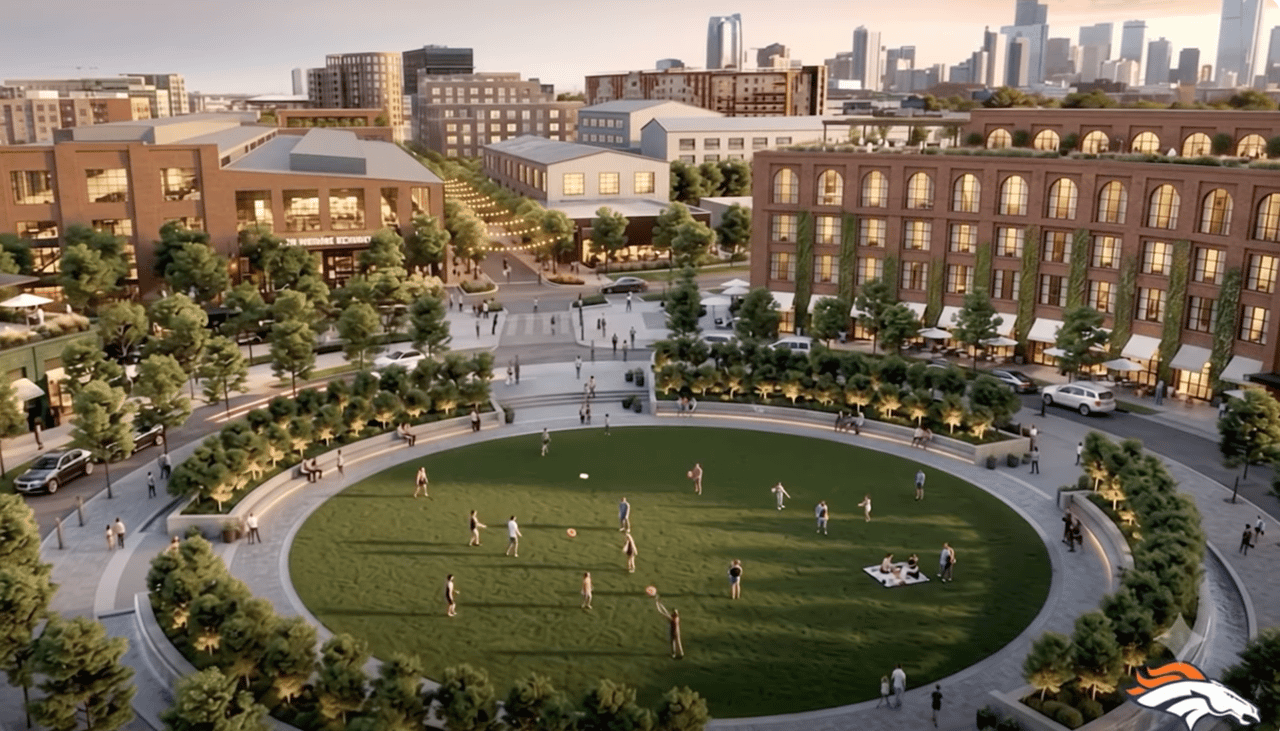
Five Denver metro neighborhoods positioned for long-term appreciation, and what it takes to protect that return after you own the home
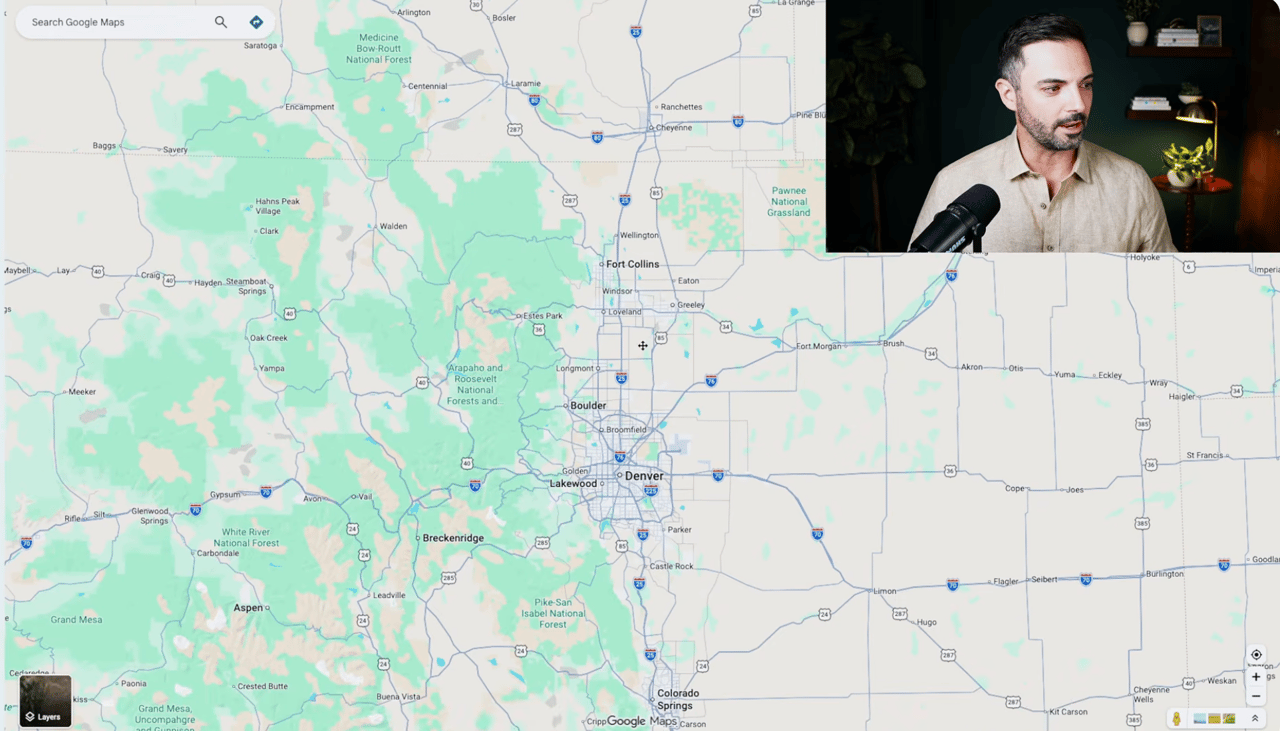
A region-by-region breakdown of the Denver metro area, from the urban core to the far suburbs, with home prices and lifestyle details for every area
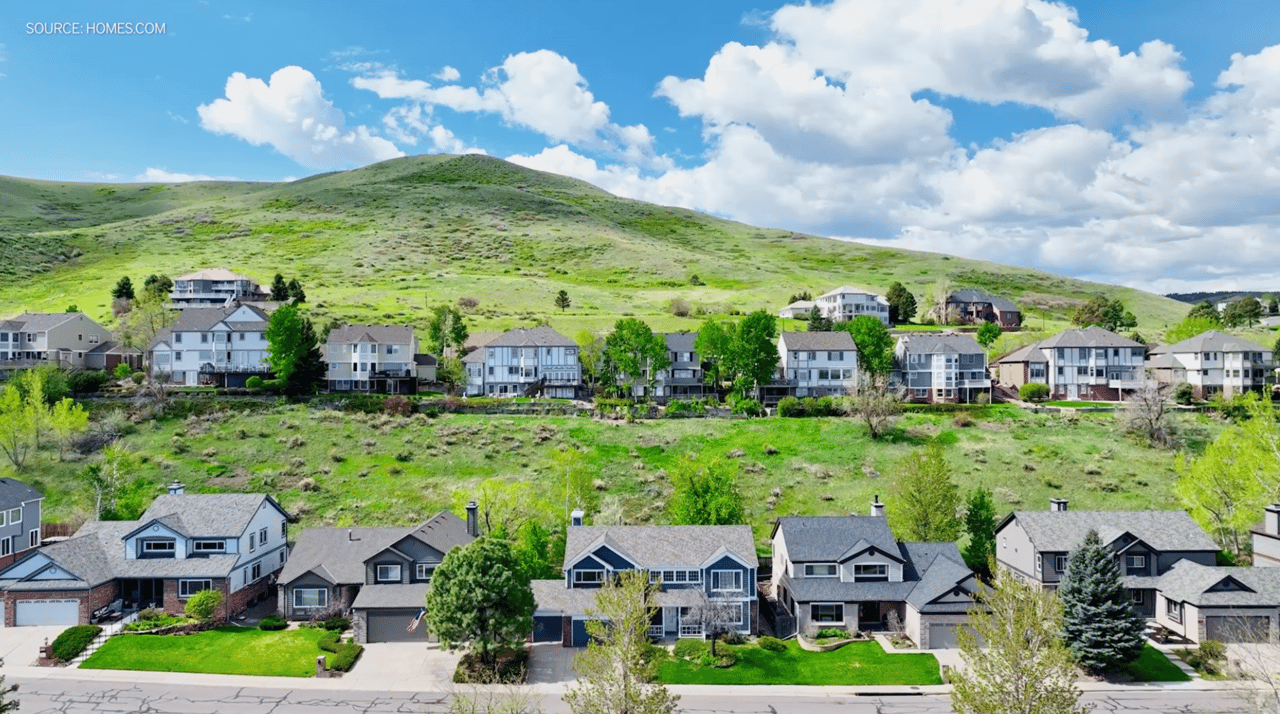
The same budget buys a small bungalow in one Denver neighborhood and 5,000-plus square feet in another. Here's what $1 million gets you across six of the metro's best … Read more
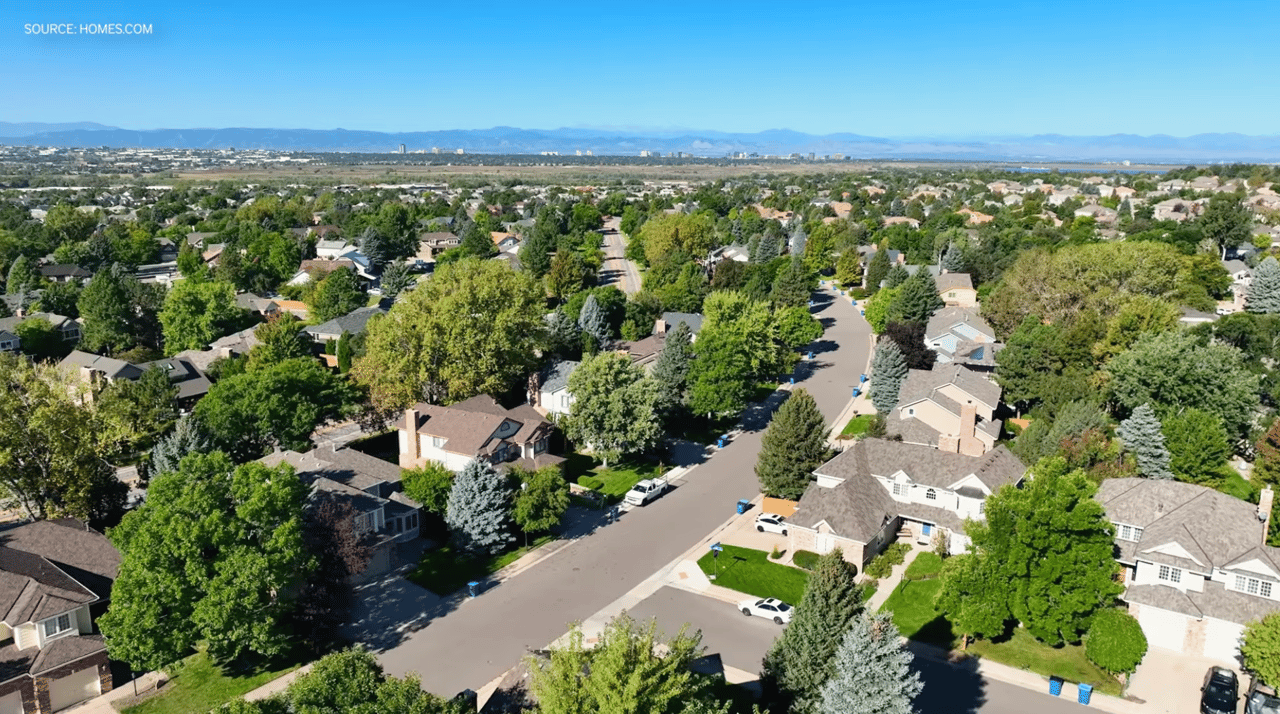
From overpricing to skipping staging, the most common missteps costing Denver sellers equity in today's market, and how to avoid them
From Golden's creekside energy to Cherry Creek's luxury district, a neighborhood-by-neighborhood guide to the Denver metro's best walkable centers
He pays great attention to detail, ensuring his clients make sound, smart real estate choices and investments. Contact him today to discuss all your real estate needs!