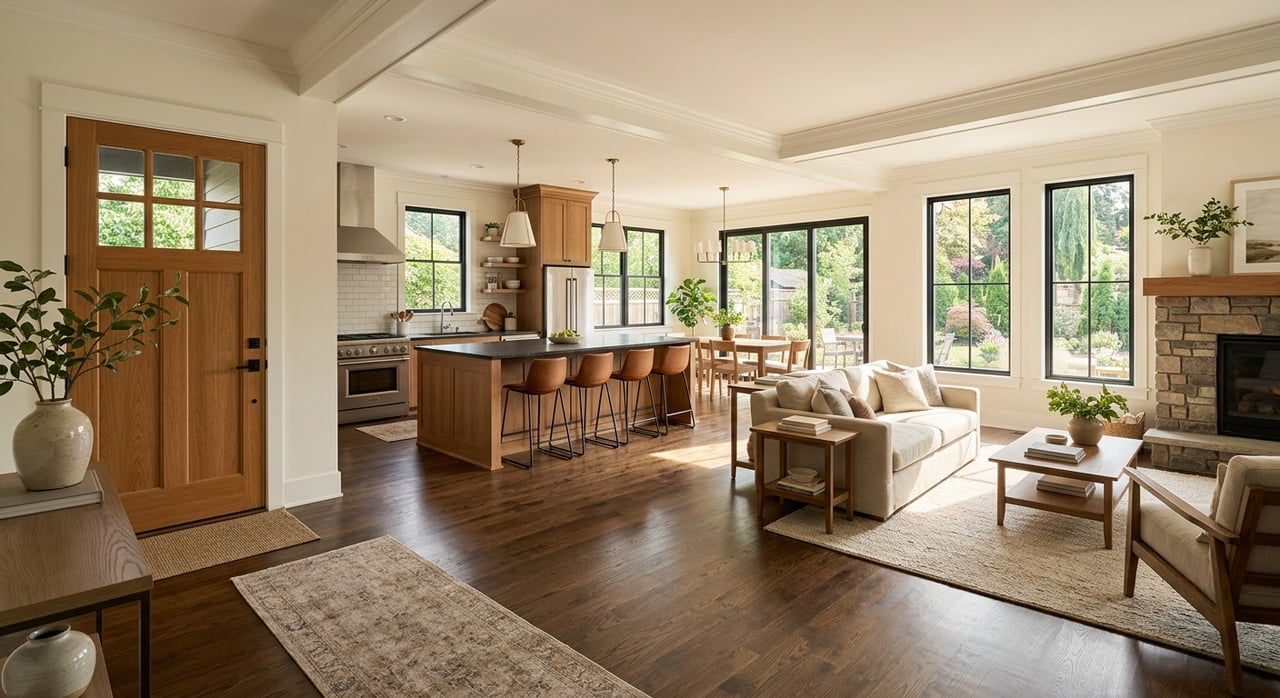
Renovate Or Sell As-Is? Denver Sellers Decide
May 28, 2026
May 28, 2026
If you are getting ready to sell in Denver, one question can shape everything that follows: should you put money into the home first, or list it exactly as it sits? In today’s market, that decision is less about guesswork and more about strategy. With buyers having more options than they did a few years ago, the right answer depends on your price goal, your timeline, and the condition buyers will compare your home against. Let’s dive in.
Denver’s housing market is still moving, but it is not the frenzy many sellers remember. As of April 2026, the Denver Metro Association of Realtors reported a median close price of $605,000, an average close price of $724,057, a close-price-to-list-price ratio of 99.44%, a median of 14 days in MLS, and 11,539 active listings.
That mix matters. Well-priced homes are still selling efficiently, but buyers have more choices, which means condition and presentation can carry more weight. If your home competes in a segment with more inventory, buyers may be less willing to overlook visible issues or dated finishes.
Property type and price point matter too. DMAR noted that detached homes over $2 million had more than four months of inventory, while attached homes from $1 million and up were at or above 5.5 months of inventory. If you are selling a higher-end condo or townhome, stronger presentation and disciplined pricing may matter even more because buyers in that space can be especially selective.
Before you renovate anything, compare your home to the sold properties that actually support the number you want. This is the most practical place to begin because renovation decisions should serve your sale strategy, not just make the house look nicer.
If the comparable homes that support your target price are updated and your home is not, some pre-listing work may help close that gap. If the best comps include homes in original condition, selling as-is may be a realistic and efficient choice.
This is where local pricing strategy becomes more important than general advice. A fresh coat of paint or a simple exterior improvement can make sense if it helps your home compete with the homes buyers are already using as their benchmark.
Not all pre-sale work deserves the same priority. In Colorado, sellers must provide the current Seller’s Property Disclosure, disclose known adverse material facts in writing, and update that disclosure if new adverse material facts come up.
Colorado’s residential contract also gives buyers inspection rights, and buyers can terminate if the property condition is unsatisfactory under the contract terms. That means known physical issues like roof defects, water intrusion, structural concerns, or drainage problems usually deserve more attention than cosmetic preferences.
In plain terms, as-is does not mean no disclosure. The property may be conveyed as-is, where-is, and with all faults except as otherwise provided, but buyers still have due diligence rights, and sellers still have disclosure obligations.
The current Colorado Seller’s Property Disclosure specifically asks about several issues that can affect a sale. These categories are a smart place to start when deciding what to repair, what to disclose, and what to price in.
If one of these items is likely to raise an inspection objection, addressing it before you list may reduce friction later. If the issue is not practical to repair before market, it often needs to be disclosed clearly and reflected in the price.
If you do decide to invest before listing, the research points to a clear pattern: visible, practical improvements usually outperform major custom remodels. That is especially true in a market where buyers are more condition-conscious.
The strongest resale performers in current research are exterior and curb-appeal projects. Zonda’s 2025 Cost vs. Value report found that exterior replacements dominated the top return-on-investment list, with garage door replacement, steel door replacement, manufactured stone veneer, and fiber-cement siding replacement among the strongest performers.
Garage door replacement recouped 267.7% of cost, and steel door replacement recouped 216.4%. For Denver sellers, that supports prioritizing strong first impressions before diving into a large interior remodel when the home is otherwise functional.
The National Association of Realtors’ 2025 Remodeling Impact Report also found that real estate professionals most often recommend painting the entire home, painting one room, and new roofing before selling. Increased demand over the last two years was reported for kitchen upgrades, new roofing, and bathroom renovations.
That does not mean every seller should remodel a kitchen or bath. It means clean, functional, well-finished spaces usually help more than highly personalized design choices.
Large interior remodels can be expensive, slow, and highly subjective. Zonda’s research notes that exterior replacement projects remain the clearest resale winners, while larger discretionary interior remodels often do not deliver the same return.
If a project mainly reflects your taste, takes months to complete, or creates permit and scheduling delays, it may not help your bottom line. In many cases, selling as-is and pricing strategically is the cleaner financial choice.
Buyer psychology also matters. NAR found that 46% of buyers are less willing to compromise on the condition of the home. That means small improvements that remove visible rough edges may do more for perceived value than a luxury renovation that appeals only to a narrower group of buyers.
Even a good renovation idea can become the wrong decision if it slows down your sale. Denver’s permit system allows owners to apply online, schedule inspections, and view results, but it can still add time, cost, and complexity.
That matters if you are trying to hit a certain listing window. The city also notes that exterior work in landmark or historic areas cannot be permitted online, which can create extra complications for projects like roof or façade work close to market.
So the question is not just, Will this upgrade help? It is also, Will it help enough to justify the time, disruption, and carrying costs?
Selling as-is can be a strong option when the math, timeline, or property condition points that way. In Denver’s current market, as-is works best when the home is priced with honesty and supported by comparable sales in similar condition.
This route may make sense if:
The key is to remember that as-is is a pricing strategy, not an escape hatch. It does not remove disclosure duties, and it does not stop buyers from evaluating condition during inspections.
If you are unsure which path to take, use this four-step approach.
Look at the sold homes that support your target price, not just the active competition. If those homes show a more polished condition than yours, focused prep may help close the gap.
Address issues like water intrusion, roof problems, structural concerns, or other obvious physical defects first. These are usually more important than cosmetic upgrades because they can disrupt a deal.
Consider not just contractor bids, but permit timing, scheduling, disruption, and your carrying costs. A project that looks good on paper may still hurt your net if it delays your sale.
Choose projects that make the home easier for buyers to say yes to. Clean lines, fresh finishes, and fewer visible objections often matter more than custom upgrades.
For many Denver sellers, the best move is neither a full remodel nor a pure as-is listing. It is a middle-ground strategy that sharpens presentation, handles major red flags, and avoids over-improving.
That might mean painting, touching up flooring, replacing a worn garage door, improving lighting, cleaning up landscaping, and taking care of any known repair issues that could come up during inspection. It is a practical plan built around marketability and net proceeds, not personal preference.
When that strategy is paired with disciplined pricing, strong visual presentation, and smart negotiation, it can put you in a much better position to attract serious buyers and protect your equity.
If you are weighing whether to renovate or sell as-is in Denver, the right decision starts with the right local comparison set and a clear plan for what buyers in your segment will actually value. If you want guidance on how to position your home, market it with impact, and maximize your outcome, connect with Ryan Haarer.
Stay up to date on the latest real estate trends.

From urban hotspots to gorgeous mountain views, there's something for everyone
He pays great attention to detail, ensuring his clients make sound, smart real estate choices and investments. Contact him today to discuss all your real estate needs!