Moving to Denver Housing Costs: What to Compare
June 4, 2026
June 4, 2026
If you’re moving to Denver, sticker shock can hit fast. A home that looks affordable at first glance may come with HOA dues, tolls, or transit costs that change the real monthly number. The good news is that if you understand the tradeoffs before you buy, you can make a smarter move with fewer surprises. Let’s dive in.
Denver is not a low-cost housing market, so it helps to start with the citywide numbers. As of March 2026, Redfin reports a median sale price of $630,000 in Denver, with a median sale price per square foot of $374 and homes going pending in about 19 days.
Property type matters too. Recent Redfin data shows a median listing price of about $325,000 for condos and $625,000 for townhouses in Denver. That creates a wide range of entry points, especially for relocators comparing space, location, and maintenance needs.
When you move to Denver, the most useful budget comparison is usually total monthly cost, not just the list price. A lower price in one area can be offset by HOA dues, longer driving routes, toll charges, or regular transit costs.
On the flip side, a higher purchase price in a close-in location may reduce some of those recurring expenses. If you want a clearer picture of affordability, compare homes based on the full monthly impact rather than the headline number alone.
One of the biggest Denver housing cost tradeoffs is location inside the city. In general, closer-in neighborhoods often come with higher purchase prices, while farther-out neighborhoods may offer a lower entry price, though not always.
Recent Redfin neighborhood data shows how wide that spread can be. Downtown Denver sits around $690,000, LoHi around $865,000, Highland Park around $820,000, and Cherry Creek around $1.205 million. In Central Denver, the recent median is about $633,000.
At the same time, some close-in condo options can come in much lower. Capitol Hill condos show a median listing price near $317,000, and recent all-home sales in Capitol Hill centered around $308,000. That makes condos an important option if you want to live near the core without buying a higher-priced detached home.
Farther out, some neighborhoods trend lower, but the pattern is not automatic. Redfin shows recent medians around $460,000 in Green Valley Ranch, $430,000 in Montbello, and $520,000 in Harvey Park. But Central Park is notably higher at about $717,500, which is a good reminder that being farther from downtown does not always mean cheaper.
In many cases, a lower purchase price farther from central Denver may come with more driving and a different day-to-day routine. That might be a perfectly worthwhile trade if you want more space or a different home style.
Closer-in living often trades a higher price for easier access to central destinations and a lifestyle that may involve less time in the car. The right answer depends on what you value most, but the cost tradeoff is real either way.
For many buyers moving to Denver, condos and townhomes create a more approachable entry point. They can make it possible to buy in areas that may feel out of reach for a detached home.
That said, attached housing comes with a budgeting layer that buyers should study carefully. In Colorado, common interest communities can include HOAs, condominium associations, property owners associations, and cooperatives, and they are governed by the Colorado Common Interest Ownership Act. The Colorado Division of Real Estate also notes that associations must have a reserve-fund policy.
Many Denver condo and townhome listings show HOA dues in the low hundreds per month, though the range can go much higher in amenity-rich or full-service buildings. Current listing examples include monthly dues of $115, $283, $290, $389, $409, $511, $732, and $779.
That can sound like a drawback at first, but HOA dues may cover costs you would otherwise pay directly. Depending on the property, dues may include items like water, sewer, trash, recycling, heat, air, internet, building maintenance, grounds maintenance, secure access, on-site management, and shared amenities such as pools, clubhouses, or fitness centers.
The key is to ask what the dues actually include. A condo with a higher HOA payment is not automatically more expensive month to month if that fee replaces several separate bills and reduces maintenance responsibilities.
Housing decisions in Denver often connect directly to transportation spending. If you are choosing between a close-in neighborhood and a home on the outer edges of the city or metro, your commute may become part of your housing budget.
For public transit, RTD’s current fares are $2.75 for a 3-hour pass, $5.50 for a day pass, and $88 for a monthly pass. The airport day pass is $10, and riders 19 and under ride free on RTD services.
RTD also offers Neighborhood EcoPass programs that certain neighborhoods, apartment buildings, or HOAs can purchase to provide residents unlimited rides. If a building or community includes that kind of access, it can change the monthly transportation math in a helpful way.
If your regular driving route takes you east or southeast across the metro, E-470 may become a recurring cost. Current ExpressToll rates for 2-axle vehicles are $2.60 to $2.90 on mainline plazas and $1.25 on toll ramps. ExpressToll also requires a $35 initial deposit.
For some buyers, those charges are occasional and easy to absorb. For others, especially if toll roads become part of the daily routine, they can noticeably change the budget over time.
When you are relocating, it helps to compare homes with a simple framework. Instead of asking only, “Which home is cheaper?” ask, “Which home gives me the best overall fit for my monthly budget and lifestyle?”
A practical comparison might include:
This is often where local guidance becomes valuable. A neighborhood that looks less expensive online may not stay meaningfully cheaper once you account for dues, commute patterns, and property type.
Here are a few common ways buyers think through the tradeoffs.
You may choose a condo in a close-in area like Capitol Hill because the purchase price can be far below many detached homes in central neighborhoods. You might accept HOA dues in exchange for a lower entry point, shared amenities, and less maintenance.
If your routine allows you to rely less on driving, that choice may also reduce transit and toll stress over time. For many relocators, this option balances location and budget well.
You may decide that more space matters most and focus on neighborhoods where the median price trends lower than some close-in areas. In places like Montbello, Green Valley Ranch, or Harvey Park, that can mean a lower purchase price than many central neighborhoods.
But it is smart to weigh that against transportation costs and your typical weekly travel pattern. If your lifestyle includes frequent driving across the metro, the monthly difference may narrow more than expected.
Central Park is the clearest reminder that location shorthand can be misleading. It sits farther from the core than neighborhoods like Downtown or Capitol Hill, yet recent median pricing is still around $717,500.
That is why broad assumptions do not work well in Denver. You need to compare the specific neighborhood, the property type, and the recurring costs together.
Denver offers a wide range of housing choices, but the smartest decision usually comes from looking beyond the sticker price. Your actual cost of living in a home may be shaped by dues, commute patterns, tolls, transit access, and the kind of maintenance you want to take on.
If you’re moving from out of state or trying to narrow down Denver neighborhoods from afar, a side-by-side cost breakdown can save you time and help you avoid expensive assumptions. And when you pair that with hyperlocal insight, you can choose a home that fits both your budget and the way you want to live.
If you want help comparing Denver neighborhoods, attached versus detached homes, or the real monthly cost behind your options, Ryan Haarer can help you build a relocation strategy with clear numbers and local perspective.
Stay up to date on the latest real estate trends.
From major residential projects and infrastructure upgrades to new dining and retail, a comprehensive look at what’s changing across the Denver metro this fall

Five Denver metro neighborhoods positioned for long-term appreciation, and what it takes to protect that return after you own the home
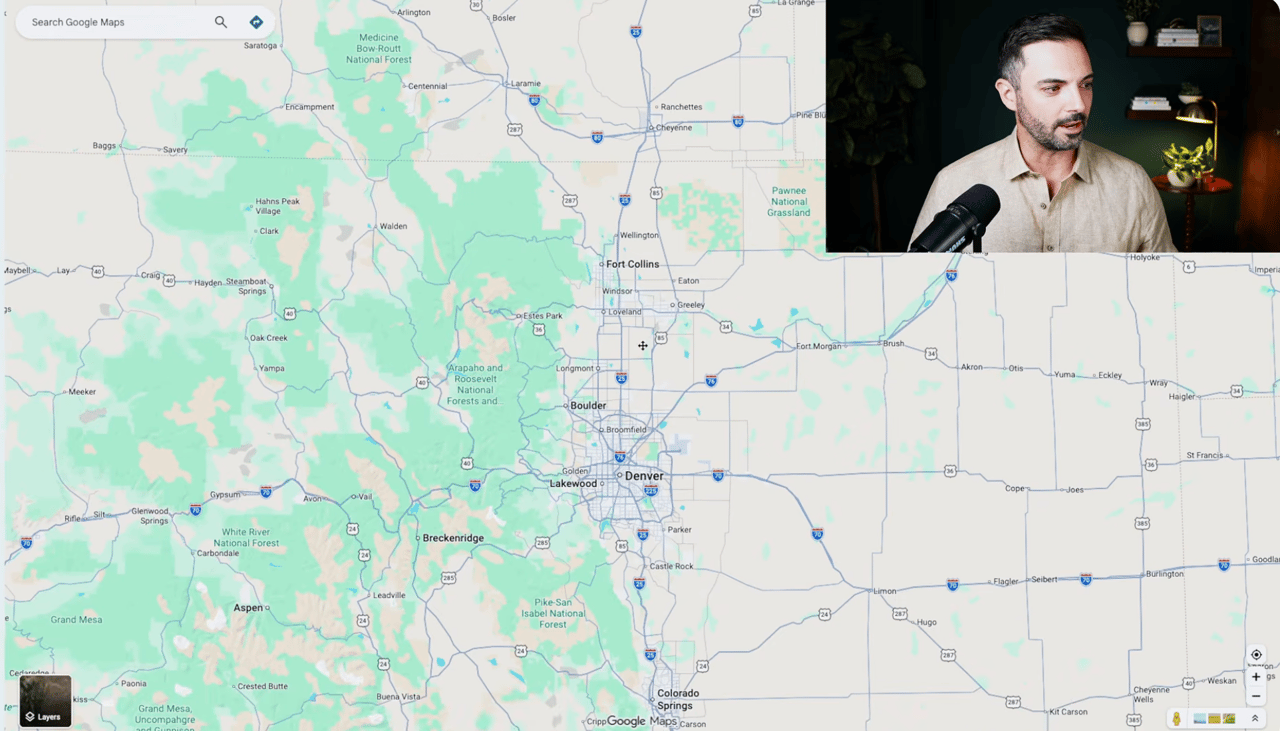
A region-by-region breakdown of the Denver metro area, from the urban core to the far suburbs, with home prices and lifestyle details for every area
He pays great attention to detail, ensuring his clients make sound, smart real estate choices and investments. Contact him today to discuss all your real estate needs!