How Staging And Video Elevate Denver Home Sales
June 18, 2026
June 18, 2026
Wondering why some Denver listings feel instantly compelling online while others blur together? In a market where buyers often decide what to see based on the first media they encounter, presentation matters fast. If you are preparing to sell, understanding how staging and video work together can help you make your home easier to picture, easier to trust, and easier to tour. Let’s dive in.
Denver’s market has been steady and balanced, with continued buyer activity and a steady absorption of inventory. REcolorado’s May 2026 Denver Metro Market Watch reported a median closed price of $615,000, median days in MLS of 13, 6,002 new listings, and 4,232 pending listings.
That pace matters because your listing media often becomes the public-facing first impression of your home. Active listings appear on IDX sites and major portals, so buyers are usually screening homes online before they ever schedule a showing.
In practical terms, that means your photos, video, and tours are not extra marketing pieces. They are often the first showing.
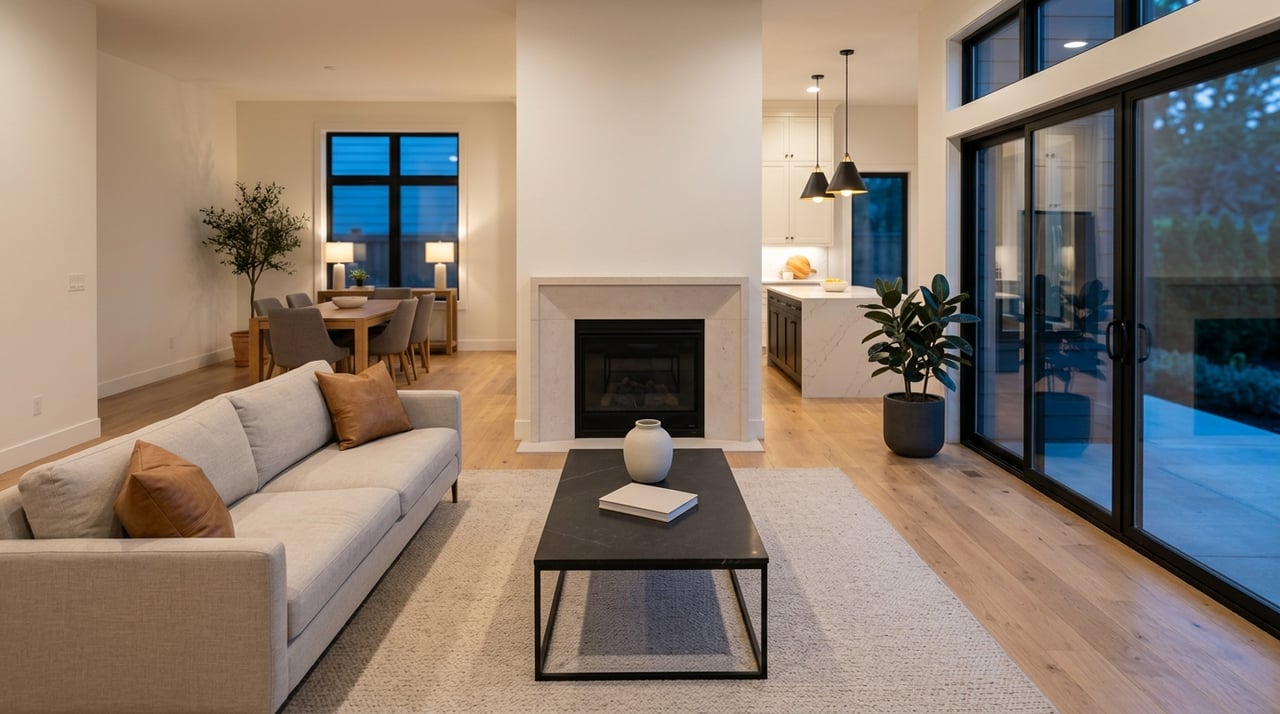
Staging is not about making your home look artificial or overly polished. It is about helping buyers understand the space quickly and clearly.
According to the 2025 Profile of Home Staging, 83% of buyers’ agents said staging made it easier for buyers to visualize a home as their future home. In the same report, 60% said staging affects some buyers, 26% said it affects most buyers, and only 12% said it has no effect.
That visualization piece is important because buyers are not just comparing square footage. They are asking themselves whether the rooms make sense, whether the layout works, and whether the home feels move-in ready.
If you are not staging every room, research points to a clear priority order. The most important spaces to stage are:
These rooms do the most work in helping buyers understand daily life in the home. If those spaces feel clear, functional, and inviting, the rest of the property tends to make more sense too.
Staging can improve results, but it does not promise a higher sale price every time. NAR’s reporting found that 29% of agents saw staged homes receive offers that were 1% to 10% higher, while 49% saw reduced time on market.
At the same time, 41% of buyers’ agents said staging had no impact on dollar value offered. So the smarter way to think about staging is not as a guaranteed price booster, but as a tool that can improve buyer response and help your home compete more effectively.
For context only, a 1% to 10% difference on Denver’s $615,000 median closed price would be about $6,150 to $61,500. That is an illustration, not a prediction.
Most buyers begin online, and that changes how they narrow their options. High-resolution photos are essential, but video adds something still images cannot fully capture.
Video helps buyers understand flow, light, scale, and how one room connects to the next. It can make a home feel more real before a buyer ever steps inside.
In the 2025 staging report, buyers’ agents rated photos, physical staging, videos, and virtual tours as much more or more important to clients. Photos led at 73%, followed by traditional staging at 57%, videos at 48%, and virtual tours at 43%.
That matters even more when you consider how buyers search. The same report said buyers expected to view a median of 20 homes virtually and 8 in person. In other words, your online presentation helps decide whether your home makes the shortlist.
A strong video tour is not meant to replace the in-person visit. It works as a pre-showing filter.
Buyers still expect to walk through homes in person, but video helps them decide which homes are worth that next step. When your listing video is clear and accurate, it can attract more serious interest from buyers who already feel connected to the space.
Staging and video solve different problems, which is why they are most effective together. Staging gives each room a clear purpose, while video shows how the home actually lives.
For example, a staged living room can show where furniture fits and how the room functions. A video then adds movement, sightlines, and natural light, helping buyers understand the space beyond a single frame.
In Denver, where median days in MLS were 13 in May 2026, that combined first impression can matter quickly. Buyers are making fast decisions based on what they see online, so the goal is to make your home easy to understand right away.
Presentation is not just about attention. It is also about credibility.
When photos, staging, and video feel consistent, buyers are more likely to trust what they are seeing. That matters because buyers who like a home online usually expect it to feel the same in person.
If the listing looks dramatically different from reality, confidence can drop fast. Good marketing should create clarity, not confusion.
REcolorado gives sellers and agents a useful local framework for building a strong media package. It requires at least one property-specific photo within three business days of a valid listing agreement, allows up to 50 photos, accepts virtual staging, and supports up to three approved virtual-tour URLs, including videos and 3D tours.
That flexibility makes it possible to launch with a coordinated media plan instead of treating each asset as an afterthought. It also means your staging, photography, video, and virtual tour strategy should be ready before the listing goes live.
REcolorado also supports practical media delivery tools for photographers and videographers, which helps streamline the process. For sellers, the main takeaway is simple: planning ahead creates a cleaner launch.
There is a difference between polished and misleading. Both NAR and REcolorado caution against edits that change the home’s true condition, scale, or permanent features.
That is an important standard. Buyers respond best when media is attractive but accurate, because accurate media builds trust and leads to better in-person expectations.
If you are preparing to list in Denver, the strongest approach is usually to think about presentation as a system, not a single task. Each piece should support the next.
A solid seller plan often looks like this:
This kind of preparation helps your home feel more understandable from the start. That can lead to stronger attention, better-qualified showings, and a smoother path once the property hits the market.
Selling a home in Denver today is not just about putting a listing in the MLS and waiting. It is about telling the story of the property in a way that reaches buyers where they already search.
That is why a video-first and media-savvy strategy can make a real difference. When staging, photography, and video are handled as one coordinated launch, your home has a better chance to stand out online and convert interest into showings.
Just as important, strong marketing works best when paired with disciplined pricing, offer strategy, and negotiation. Exposure brings attention, but the full outcome depends on how that attention is managed from launch through closing.
If you are thinking about selling in Denver, Ryan Haarer can help you build a smart presentation strategy that supports both visibility and results.
Stay up to date on the latest real estate trends.

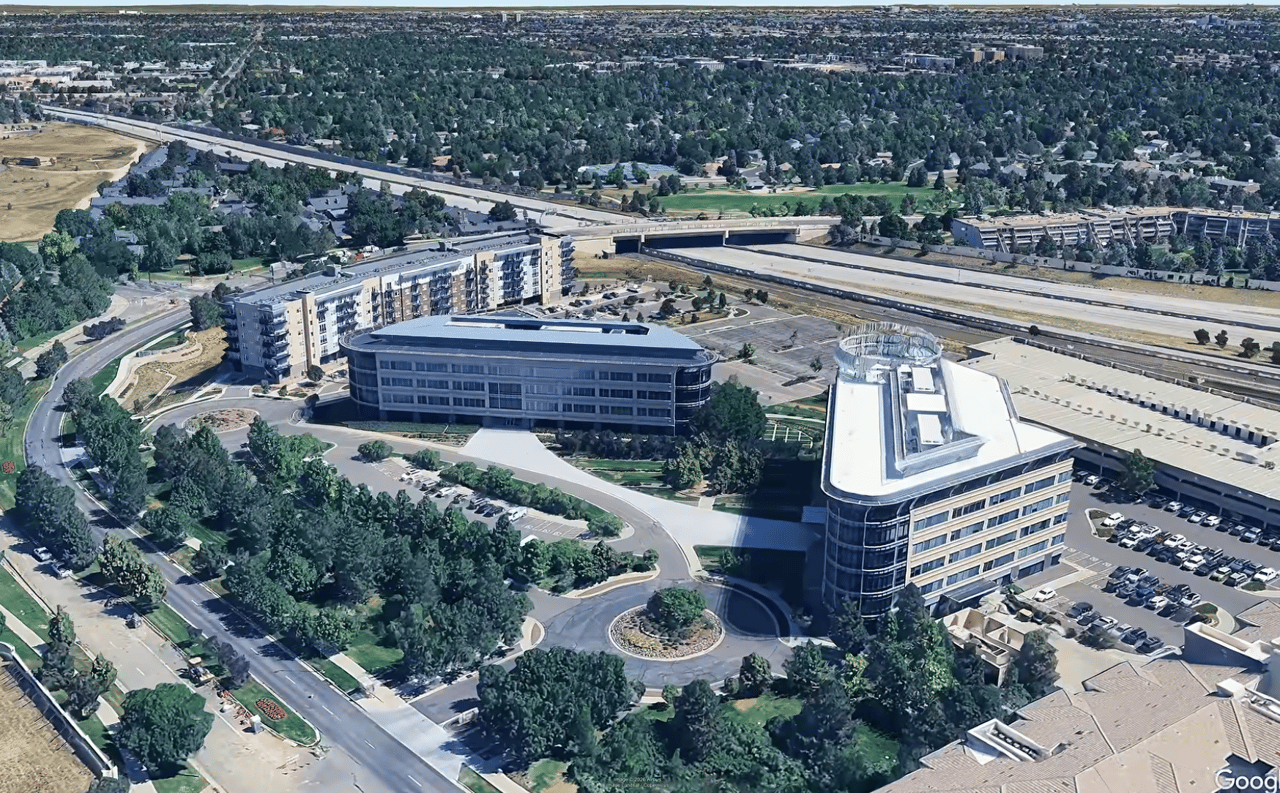
From major residential projects and infrastructure upgrades to new dining and retail, a comprehensive look at what’s changing across the Denver metro this fall
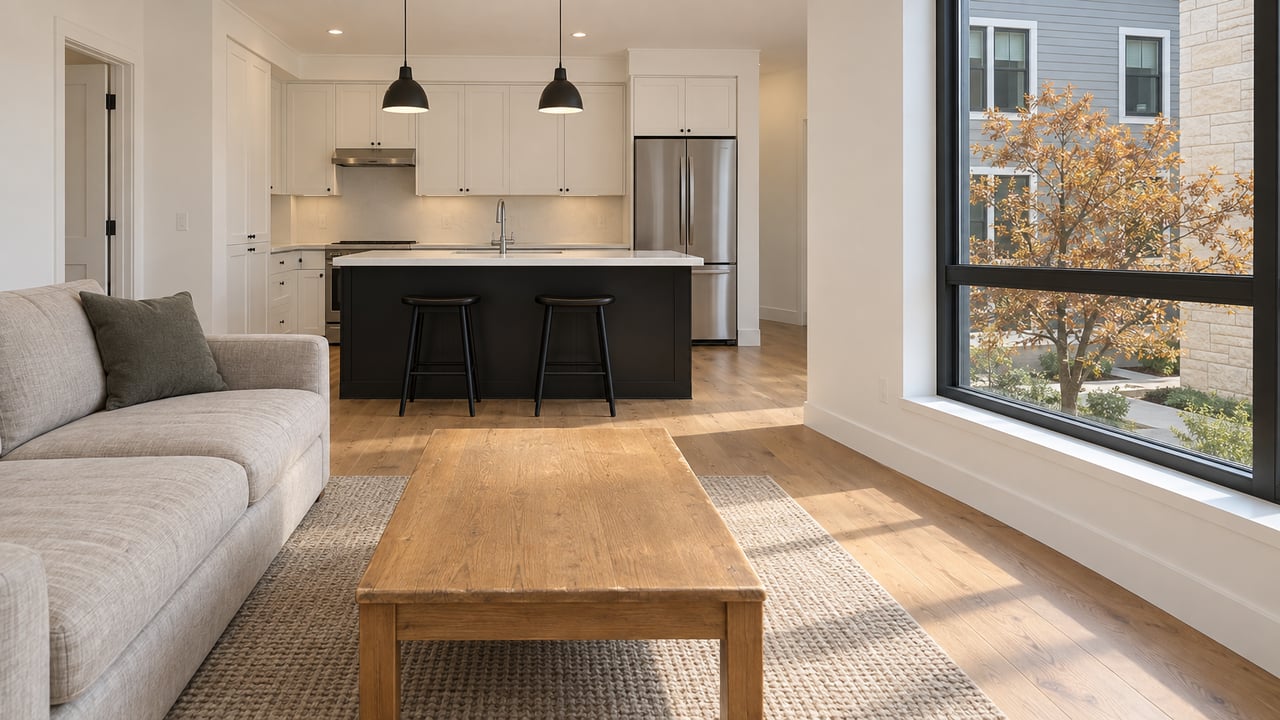



Five Denver metro neighborhoods positioned for long-term appreciation, and what it takes to protect that return after you own the home
A region-by-region breakdown of the Denver metro area, from the urban core to the far suburbs, with home prices and lifestyle details for every area
He pays great attention to detail, ensuring his clients make sound, smart real estate choices and investments. Contact him today to discuss all your real estate needs!